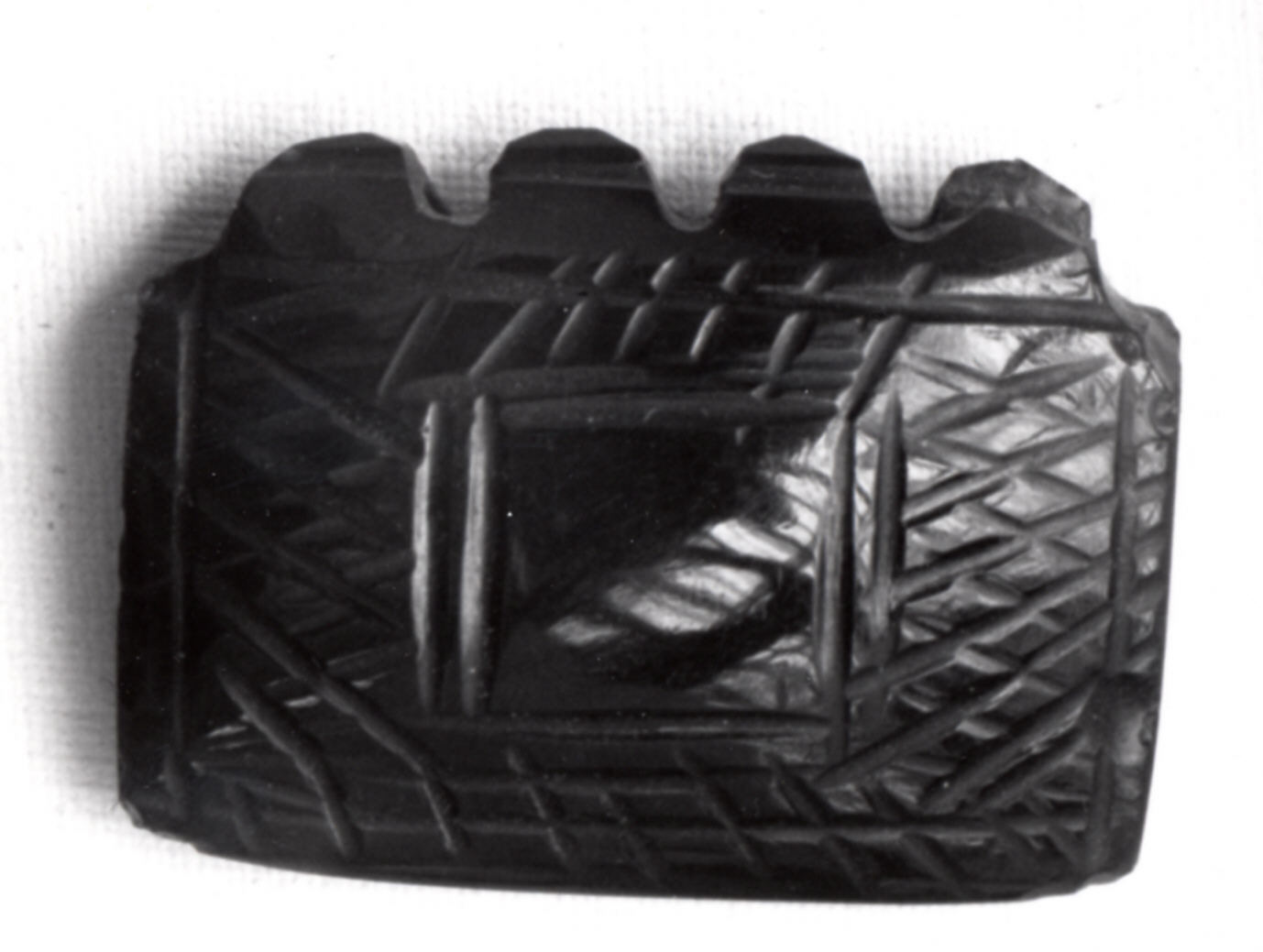
Heritage Analysis: The Carnelian Pendant of Ancient Civilization
This strategic standalone research paper, prepared for Katherine Fashion Lab, examines the carnelian pendant as a singular artifact of profound cultural and symbolic significance. Originating from an ancient civilization—likely Mesopotamian, Egyptian, or Indus Valley—this pendant represents a nexus of historical adornment, spiritual meaning, and material prestige. As we approach the 2026 luxury market, understanding the pendant’s heritage offers a blueprint for high-end brand strategy, where authenticity, rarity, and symbolic resonance command premium value. The analysis below deconstructs the pendant’s legacy through four lenses: symbolic power, historical adornment, spiritual meaning, and a forward-looking luxury strategy for the coming year.
Symbolic Power: The Carnelian Pendant as an Emblem of Authority
In ancient civilizations, carnelian was not merely a decorative stone; it was a conduit for symbolic power. The pendant’s deep orange-red hue, reminiscent of blood and fire, signified life force, vitality, and protection. Archaeological evidence from Sumerian tombs and Egyptian burial sites confirms that carnelian pendants were reserved for elites—pharaohs, priests, and warriors—who wore them to invoke divine favor and assert temporal authority. The stone’s hardness (6.5–7 on the Mohs scale) made it durable for daily wear, yet its translucence allowed light to pass through, symbolizing the soul’s journey between worlds. For Katherine Fashion Lab, this symbolic power translates into a heritage narrative that positions the pendant as a talisman of leadership. In the 2026 luxury market, where consumers seek objects imbued with meaning, the carnelian pendant offers a tangible link to ancient sovereignty, appealing to high-net-worth individuals who value status and legacy.
Historical Adornment: The Pendant as a Marker of Social Stratification
Historical adornment practices reveal that the carnelian pendant was a stratification marker within ancient societies. Excavations at the Royal Cemetery of Ur (circa 2600 BCE) uncovered carnelian beads and pendants adorning the bodies of elite women, often alongside lapis lazuli and gold. This pairing was not incidental; carnelian’s warm tones contrasted with lapis’s deep blue, creating a visual hierarchy that mirrored social rank. In the Indus Valley civilization (circa 3300–1300 BCE), carnelian pendants were crafted using advanced drilling techniques, traded along the Silk Road, and worn as necklaces or pectorals. The pendant’s placement on the chest—near the heart—amplified its role as a personal emblem. For Katherine Fashion Lab, this historical context informs a design strategy that emphasizes craftsmanship and exclusivity. By referencing ancient adornment rituals—such as layering pendants with complementary stones—the brand can create collections that evoke timeless elegance while appealing to contemporary collectors who seek artifacts of cultural prestige.
Spiritual Meaning: The Pendant as a Vessel for Transcendence
The spiritual meaning of the carnelian pendant transcends mere aesthetics, serving as a vessel for transcendence in ancient belief systems. In Egyptian mythology, carnelian was associated with the goddess Isis and the sun god Ra, believed to protect the wearer in the afterlife. The pendant was often placed on mummies to guide the soul through the Duat (underworld). Similarly, in Mesopotamian cultures, carnelian was linked to the goddess Inanna, symbolizing passion and resurrection. The stone’s color evoked the setting sun—a metaphor for death and rebirth. For the wearer, the pendant was not a passive ornament but an active spiritual tool, channeling energy and warding off malevolent forces. In the 2026 luxury landscape, where wellness and spirituality are driving consumer behavior, this spiritual heritage offers a compelling brand positioning. Katherine Fashion Lab can market the carnelian pendant as a “modern talisman,” blending ancient wisdom with contemporary design. Limited-edition pieces, accompanied by provenance certificates and spiritual narratives, will resonate with clients seeking authenticity and emotional connection in their luxury purchases.
Material and Craftsmanship: Carnelian as a Medium of Prestige
The medium of carnelian itself—a chalcedony quartz—was highly prized in antiquity for its rarity and workability. Ancient lapidaries sourced carnelian from deposits in India, Persia, and the Arabian Peninsula, often traveling vast distances to obtain it. The stone’s uniform color and lack of inclusions made it ideal for carving intricate motifs, such as scarabs, eye symbols, or geometric patterns. In the Indus Valley, carnelian beads were etched with white designs using a complex alkaline process, creating a distinct aesthetic that is still studied today. For Katherine Fashion Lab, this craftsmanship narrative underscores the pendant’s value as an investment-grade artifact. In the 2026 luxury market, where consumers are increasingly discerning about provenance and production, the brand can leverage this history to justify premium pricing. By collaborating with master gemologists and artisans who replicate ancient techniques (e.g., hand-carving or acid-etching), the lab can produce pendants that honor tradition while meeting modern standards of luxury. This approach not only differentiates the brand but also aligns with the growing demand for sustainable, artisanal goods.
2026 High-End Luxury Strategy: Integrating Heritage into Brand Architecture
To capitalize on the carnelian pendant’s heritage, Katherine Fashion Lab must adopt a strategic framework that positions it as a cornerstone of the 2026 luxury portfolio. This strategy comprises three pillars: narrative exclusivity, experiential retail, and cross-cultural collaboration. First, narrative exclusivity requires the brand to develop a “Heritage Series” that contextualizes each pendant within its ancient origins. For instance, a limited run of 100 pieces could be accompanied by a digital archive—accessible via QR codes—that details the pendant’s symbolic power, historical provenance, and spiritual meaning. This creates a sense of ownership that transcends materiality, appealing to collectors who view luxury as a form of cultural capital. Second, experiential retail will be critical for the 2026 consumer, who values immersive experiences over transactional purchases. Katherine Fashion Lab should host private salons in flagship stores, where clients can handle replica artifacts, consult with historians, and witness live demonstrations of ancient carving techniques. Such events reinforce the pendant’s exclusivity while fostering emotional bonds with the brand. Third, cross-cultural collaboration with museums or archaeological institutes—such as the British Museum or the National Museum of Iran—can lend credibility and access to rare artifacts. Co-branded exhibitions or capsule collections, featuring replicas of iconic carnelian pendants, will attract media attention and elevate the brand’s status within the luxury ecosystem.
Market Positioning and Pricing Strategy
The carnelian pendant’s positioning in the 2026 luxury market must reflect its investment-grade status. Unlike mass-produced jewelry, this pendant is a cultural artifact that appreciates in value over time. Katherine Fashion Lab should adopt a tiered pricing model: entry-level pieces (e.g., simple carnelian drops set in 18k gold) at $5,000–$10,000, and high-complexity pieces (e.g., hand-carved scarab pendants with lapis inlays) at $50,000–$100,000. Limited-edition collaborations with contemporary artists—who reinterpret ancient motifs—can command prices above $200,000, targeting ultra-high-net-worth individuals. To justify these prices, the brand must provide transparent documentation, including gemological reports, carbon-dating certificates (if applicable), and provenance essays. In the 2026 market, where consumers are wary of counterfeit heritage, this transparency builds trust and reinforces the pendant’s authenticity. Additionally, Katherine Fashion Lab should consider a buy-back program, offering clients a guaranteed resale value based on market appreciation—a strategy borrowed from luxury watch brands like Patek Philippe. This positions the pendant as a tangible asset, appealing to investors who view luxury as a hedge against inflation.
Conclusion: The Carnelian Pendant as a Strategic Asset for Katherine Fashion Lab
The carnelian pendant of ancient civilization is far more than a historical curiosity; it is a strategic asset for Katherine Fashion Lab’s 2026 luxury vision. Its symbolic power, historical adornment, and spiritual meaning provide a rich narrative that resonates with contemporary consumers seeking depth and authenticity. By integrating this heritage into a cohesive brand strategy—through narrative exclusivity, experiential retail, and cross-cultural collaboration—the lab can capture a niche segment of the luxury market that values cultural capital over conspicuous consumption. As the industry shifts toward meaningful luxury, the carnelian pendant offers a timeless bridge between ancient wisdom and modern desire, ensuring Katherine Fashion Lab’s position as a curator of heritage and a pioneer of high-end innovation. This analysis confirms that the pendant’s legacy is not merely preserved but amplified—a testament to the enduring power of adornment in shaping human identity and aspiration.