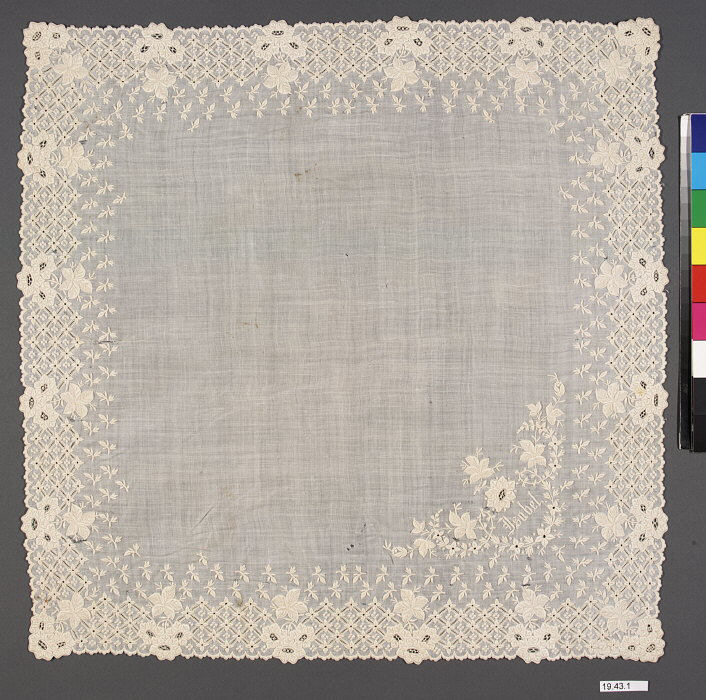
Heritage Analysis: The Handkerchief in Ancient Civilization
The handkerchief, often dismissed as a mere utilitarian accessory, holds a profound legacy that spans millennia. Within the context of Katherine Fashion Lab’s strategic standalone research, this analysis explores the handkerchief’s origins in ancient civilizations—specifically through the medium of linen—to uncover its symbolic power, historical adornment, and spiritual meaning. By deconstructing these layers, we identify actionable insights for a 2026 high-end luxury strategy that repositions the handkerchief as a talismanic object of status and transcendence.
Historical Adornment: The Handkerchief as a Marker of Elite Status
In ancient civilizations, the handkerchief was far from a disposable cloth. Among the Egyptians, Greeks, and Romans, linen handkerchiefs—known as sudarium in Latin—served as symbols of refined hygiene and social hierarchy. The medium of linen, harvested from flax and meticulously woven, was reserved for the elite due to its labor-intensive production. In Egypt, linen was associated with purity and the divine, often used in mummification rituals to wrap the deceased. The handkerchief, as a portable piece of this sacred fabric, became a marker of the wearer’s proximity to the gods and the state. For Roman patricians, the orarium (a type of handkerchief) was waved in public spectacles to signal favor or dissent, transforming a functional object into a tool of political and social influence. This historical adornment underscores the handkerchief’s role as a wearable artifact of power—not merely for wiping sweat, but for asserting one’s place in the cosmic and social order.
Symbolic Power: The Handkerchief as a Vessel of Communication
The symbolic power of the handkerchief in ancient cultures extended beyond material wealth. It was a coded language of emotion, alliance, and authority. In ancient Greece, a linen handkerchief dropped at a symposium could signify romantic interest or a challenge to honor. Among the Etruscans, embroidered handkerchiefs depicted mythological scenes, acting as narrative talismans that communicated lineage and divine favor. The act of offering a handkerchief—whether as a gift, a token of peace, or a signal of surrender—imbued the object with transactional power. This duality of utility and symbolism positions the handkerchief as a precursor to modern luxury goods: objects that are both functional and laden with intangible meaning. For Katherine Fashion Lab, this historical precedent suggests that the handkerchief can be reimagined as a strategic accessory for high-net-worth individuals who seek to communicate status and subtle narratives through personal adornment.
Spiritual Meaning: The Handkerchief as a Bridge Between Realms
Perhaps the most profound layer of the handkerchief’s heritage lies in its spiritual meaning. In ancient Egyptian and Mesopotamian civilizations, linen was considered a material of light and purity, capable of absorbing spiritual energy. Handkerchiefs were often placed on altars or used in purification rites, where they were believed to capture the essence of prayers or the breath of the divine. The act of pressing a linen handkerchief to one’s lips during a ritual was a gesture of receiving blessings—a practice that resonates with later religious traditions, such as the Veil of Veronica in Christianity. This spiritual dimension elevates the handkerchief from a mundane object to a sacred intermediary. For a 2026 luxury strategy, this meaning can be leveraged to position the handkerchief as a personal amulet—an object that carries the wearer’s intentions, history, and spiritual aspirations. In an era of experiential luxury, where consumers seek meaning over materiality, the handkerchief’s ancient role as a vessel for the soul offers a powerful narrative.
Strategic Implications for 2026 High-End Luxury
Drawing from these historical, symbolic, and spiritual insights, Katherine Fashion Lab can develop a 2026 luxury strategy that transforms the handkerchief into a cornerstone of heritage-driven exclusivity. The following strategic pillars are recommended:
1. Material Authenticity and Artisanal Revival: Linen, as the original medium of the handkerchief, must be sourced from heritage flax regions in Belgium or Ireland, emphasizing hand-weaving techniques that date back to antiquity. Each handkerchief should be treated as a limited-edition artifact, with certifications of provenance and craftsmanship. This aligns with the luxury market’s shift toward slow fashion and tangible heritage.
2. Symbolic Customization: Offer clients the ability to embed personal symbolism through bespoke embroidery, monograms, or even woven narratives—echoing the Etruscan tradition of mythological storytelling. This transforms the handkerchief into a communicative luxury object, allowing the wearer to signal alliances, achievements, or spiritual beliefs. For example, a handkerchief embroidered with a personal mantra or family crest becomes a contemporary talisman.
3. Ritualistic Positioning: Market the handkerchief not as an accessory, but as a ritual object for daily use. This could include curated experiences—such as a “Blessing and Wearing” ceremony at flagship stores—where the handkerchief is imbued with intention by a cultural guide. This taps into the growing demand for experiential luxury and spiritual wellness, positioning Katherine Fashion Lab as a purveyor of meaningful adornment.
4. Exclusive Distribution and Narrative Packaging: Limit distribution to private appointments and invite-only trunk shows. Each handkerchief should arrive in a linen pouch with a scroll detailing its ancient lineage, complete with references to Egyptian purification rites or Roman political symbolism. This narrative-driven packaging reinforces the handkerchief’s status as a collectible heirloom, not a commodity.
5. Collaborations with Contemporary Artists and Spiritual Leaders: Partner with artists who reinterpret ancient motifs (e.g., geometric patterns from Mesopotamian seals) and with spiritual advisors to design limited collections that resonate with modern seekers. This bridges the gap between antiquity and contemporary luxury, appealing to the conscious consumer who values cultural depth.
Conclusion: The Handkerchief as a Strategic Luxury Asset
The handkerchief’s heritage in ancient civilization reveals a layered object of power, adornment, and spiritual resonance. By repositioning it within the 2026 high-end luxury landscape, Katherine Fashion Lab can offer a product that transcends fashion—becoming a symbol of identity, intention, and timeless elegance. In a market saturated with disposable trends, the linen handkerchief stands as a testament to the enduring value of heritage, craftsmanship, and symbolic depth. This strategic standalone research provides a blueprint for transforming a humble cloth into a luxury asset that commands both reverence and desire.