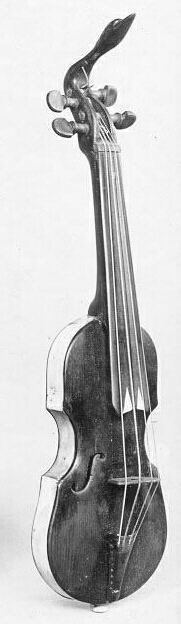
Heritage Analysis: The French Pochette as a Symbol of Power, Adornment, and Spiritual Continuity
Introduction: The Pochette as a Microcosm of French Aristocratic Identity
The French pochette—a small, handheld container often crafted from exotic woods and ivory—represents far more than a mere accessory. Within the context of Katherine Fashion Lab’s strategic research, this object emerges as a profound artifact of historical adornment, symbolic power, and spiritual meaning. Originating in the courts of 17th and 18th century France, the pochette served as a portable repository for personal treasures, from snuff and cosmetics to sacred relics and love tokens. Its diminutive size belied its immense cultural weight, functioning as a talisman of status, a vessel for intimacy, and a marker of aristocratic identity. For a 2026 high-end luxury strategy, understanding the pochette’s layered symbolism is essential to reimagining it as a contemporary statement of exclusivity, heritage, and metaphysical resonance.
Historical Adornment: The Pochette as a Statement of Craft and Status
In the French court of Louis XIV, adornment was not merely decorative but a deliberate instrument of power. The pochette, often carried by both men and women, was meticulously crafted from rare materials such as mahogany, ebony, rosewood, and ivory. These materials were chosen for their scarcity and durability, signaling the owner’s access to global trade networks and artisanal mastery. The use of ivory, in particular, carried dual connotations: it was a symbol of purity and refinement, yet also a marker of colonial reach and economic dominance. The pochette’s surface was frequently inlaid with mother-of-pearl, gold leaf, or miniature paintings, transforming it into a miniature canvas for artistic expression. This historical context reveals that the pochette was not a passive accessory but an active participant in the performance of identity. It was a curated object, often passed down through generations, embedding family history into its very grain. For Katherine Fashion Lab, this underscores the importance of material provenance and craftsmanship as pillars of luxury. In 2026, a pochette must not only be beautiful but must tell a story of origin—where the wood was sourced, who shaped it, and how it connects to a lineage of mastery.
Symbolic Power: The Pochette as an Emblem of Authority and Intimacy
The symbolic power of the pochette lies in its paradoxical nature: it is both public and private, visible yet concealed. Carried in the hand or tucked into a pocket, it was a subtle declaration of authority. In the French court, the act of offering a pochette to another was a gesture of trust and alliance, as its contents were deeply personal. Snuff, for example, was a stimulant used in political negotiations, and sharing it from a shared pochette signified mutual respect. Similarly, a pochette containing a lock of hair or a miniature portrait served as a token of romantic or familial bond, imbued with emotional and even spiritual significance. This duality—public display and private intimacy—makes the pochette a uniquely potent symbol in luxury branding. For a 2026 strategy, the pochette can be repositioned as a “power object” that bridges the wearer’s inner world and outer persona. It is not merely a container but a statement of control: control over one’s narrative, one’s possessions, and one’s social interactions. Katherine Fashion Lab can leverage this by designing pochettes that incorporate hidden compartments or personalized inscriptions, allowing clients to encode their own symbols of power and connection.
Spiritual Meaning: The Pochette as a Talisman and Vessel for the Soul
Beyond its social functions, the pochette held profound spiritual meaning in French culture. In the Baroque and Rococo periods, objects were often imbued with animistic or Christian symbolism. The pochette’s enclosure—a small, sealed space—echoed the concept of the reliquary, a container for sacred remains. Many pochettes were designed to hold religious relics, such as fragments of saints’ bones or holy water, carried for protection and blessing. The materials themselves were believed to possess spiritual properties: ivory was associated with purity and eternal life, while certain woods, like olive or cedar, were thought to ward off evil. This spiritual dimension elevates the pochette from a utilitarian object to a talisman, a conduit for divine favor. In contemporary high-end luxury, this resonates with the growing consumer desire for objects that offer meaning, protection, and connection to something greater than oneself. A 2026 strategy can frame the pochette as a “modern amulet,” integrating sustainable, ethically sourced materials that carry their own symbolic weight—such as reclaimed oak from historic French chateaux or responsibly harvested ebony. By honoring the pochette’s spiritual heritage, Katherine Fashion Lab can position it as a tool for mindfulness and intention, appealing to the luxury consumer’s quest for authenticity and transcendence.
Strategic Application: The Pochette in 2026 High-End Luxury
As Katherine Fashion Lab looks toward 2026, the pochette offers a unique opportunity to disrupt the luxury market through heritage-driven innovation. The traditional French pochette was a bespoke item, often commissioned from a single artisan. This model of exclusivity aligns perfectly with the contemporary luxury trend toward hyper-personalization and slow fashion. A strategic launch could involve a limited-edition series of pochettes, each handcrafted using traditional marquetry techniques and sourced materials with documented provenance. The narrative should emphasize the pochette’s historical role as a “power object,” marketing it as an essential accessory for the modern leader—whether in business, culture, or spirituality. Additionally, the spiritual dimension can be activated through collaborations with contemporary artists who reinterpret talismanic symbols, or through the inclusion of customizable features such as engraved mantras or hidden compartments for meaningful objects. The pochette’s size also makes it ideal for the growing market of “micro-luxury,” where small, highly curated items command premium prices. By positioning the pochette as a microcosm of French heritage, Katherine Fashion Lab can create a product that is not only a fashion statement but a legacy piece—a tangible link to the past that serves as a talisman for the future.
Conclusion: Reclaiming the Pochette as a Heritage Asset
The French pochette is a masterclass in the fusion of art, power, and spirituality. Its historical role as a symbol of aristocratic identity, a tool for intimacy, and a vessel for sacred meaning provides a rich foundation for a 2026 high-end luxury strategy. For Katherine Fashion Lab, the challenge is not to reinvent the pochette but to recontextualize it—honoring its heritage while imbuing it with contemporary relevance. By focusing on material provenance, symbolic design, and talismanic purpose, the pochette can transcend its status as a mere accessory to become a cherished heirloom. In an era where luxury consumers seek depth and authenticity, the pochette offers a profound answer: a small object with an immense story, waiting to be carried into the future.