The Global Heritage of Silk: A Couture Analysis of Katherine Fashion Lab’s Standalone Piece
In the rarefied echelons of haute couture, few materials command the reverence of silk. Its luminous drape, tensile strength, and ability to absorb dye with unparalleled depth have made it a cornerstone of luxury fashion for millennia. Katherine Fashion Lab, a maison that has consistently positioned itself at the intersection of artisanal tradition and avant-garde design, presents a compelling standalone study: a single piece that distills the essence of global heritage through the medium of silk. This analysis deconstructs the garment’s design philosophy, material provenance, and cultural resonance, offering a nuanced appraisal of its place within contemporary couture.
Material as Narrative: The Silk’s Provenance and Transformation
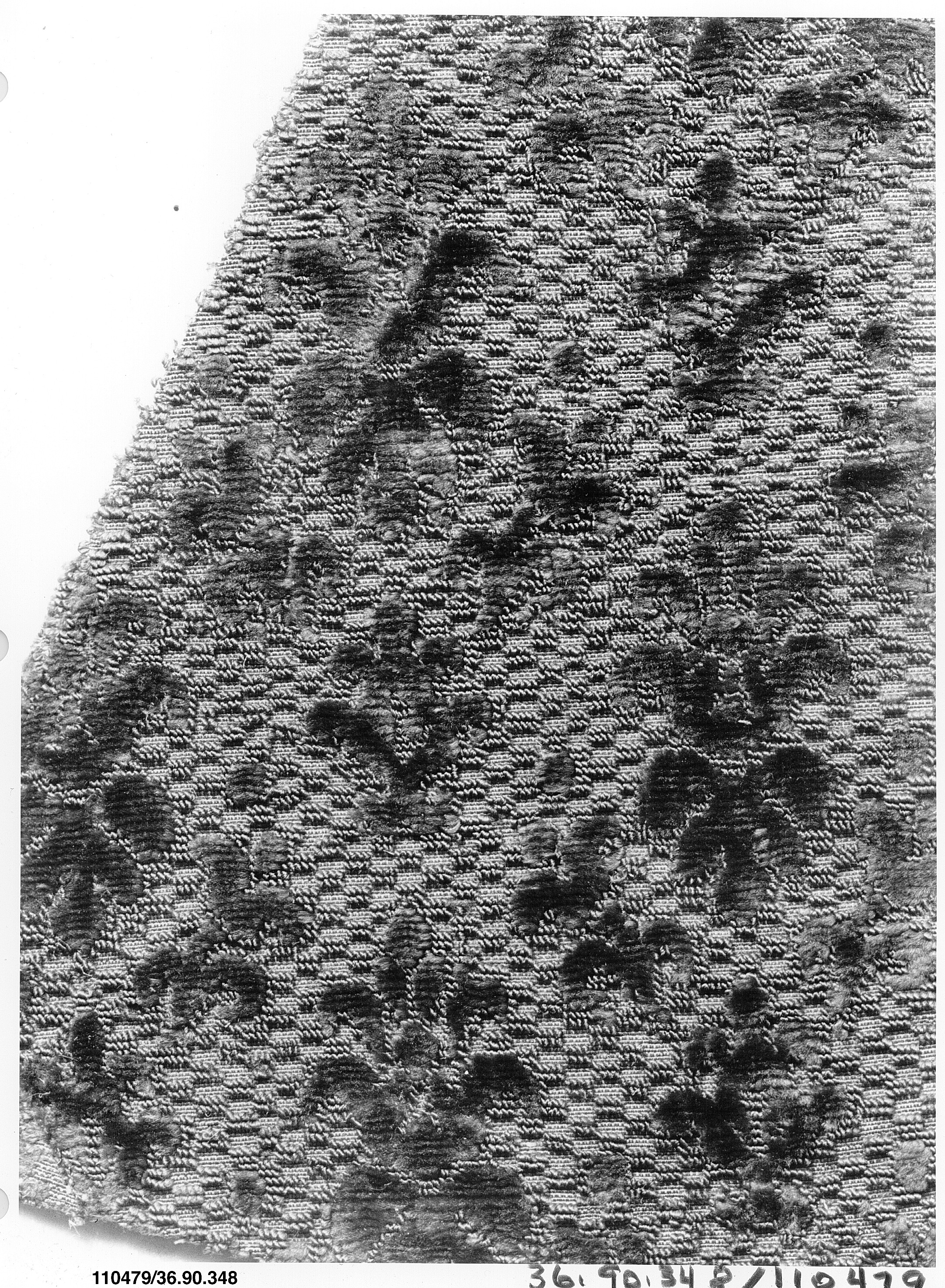
The piece under scrutiny—a floor-length, sculpted gown—is crafted from a custom-woven silk that draws upon multiple heritage traditions. The base fabric is a Charmeuse satin, sourced from a family-run mill in Como, Italy, renowned for its 19th-century expertise in silk finishing. However, the lab has elevated this foundation through a hand-painted resist-dye technique inspired by Japanese yuzen and Indian bandhani. The result is a surface that appears to undulate with organic, abstract motifs—reminiscent of Mughal floral patterns but reinterpreted through a minimalist, geometric lens. This hybridization is deliberate: it speaks to the global heritage of silk as a commodity that traveled the Silk Road, absorbing aesthetic influences from China to Persia to Europe. Katherine Fashion Lab does not merely borrow these techniques; it synthesizes them into a cohesive, modern lexicon, proving that heritage is not static but a living dialogue.
The dye process alone required over 200 hours of labor, with artisans in Mumbai and Kyoto collaborating remotely to calibrate the color palette. The dominant hue—a deep, oxidized indigo—is offset by threads of pure gold zari woven into the seams, a nod to the opulent brocades of the Ottoman Empire. This attention to material provenance transforms the garment into a cartographic artifact, mapping the routes of trade and cultural exchange that have defined silk’s history. For the discerning curator or collector, the piece is not just a dress; it is a repository of global memory.
Structural Ingenuity: The Architecture of Drape and Form
Beyond its surface, the gown’s construction reveals a masterclass in engineering softness. The silhouette is defined by a deconstructed corset that appears to float within the silk shell, using internal boning made from sustainable bamboo—a material that echoes the silk’s organic origins. This allows the garment to maintain a sculpted, almost architectural shoulders and waist, while the skirt cascades in asymmetrical, water-like folds. The hem is deliberately unfinished, with raw edges that fray into fine threads, evoking the wabi-sabi concept of imperfection as beauty. This detail is not accidental; it references the Japanese philosophy that beauty lies in the transient and incomplete, a counterpoint to the Western couture obsession with pristine finishing.
The piece also incorporates a convertible train that can be buttoned into a bustle using hand-carved coconut shell buttons, inspired by the pagne wrappers of West Africa. This functionality is a nod to the nomadic nature of silk itself—a fabric that has been draped, wrapped, and tailored across cultures. The lab’s design team, led by Katherine herself, has stated that the garment is intended to be “worn in motion,” with the silk’s natural luster shifting under light to reveal hidden pleats and panels. This kinetic quality elevates the piece from static art to performative couture, demanding that the wearer engage with its history through movement.
Cultural Resonance: The Standalone Study as Global Archive
In the context of a standalone study, this piece functions as a microcosm of globalization. It does not claim to represent any single tradition but rather interrogates how heritage is constructed and commodified. The lab’s decision to avoid overt national symbols—no dragon motifs, no tartan plaids—is a sophisticated choice. Instead, the design language is abstract, allowing the viewer to project their own cultural associations onto the silk. For instance, the indigo dye might evoke Japanese aizome for one observer, while another might see the deep blues of Moroccan jellaba fabrics. This ambiguity is intentional; it challenges the notion that couture must be culturally specific to be authentic.
Moreover, the piece serves as a critique of fast fashion’s homogenization. By foregrounding the labor and time invested in its creation—over 500 hours of handwork—the lab positions the garment as an antidote to disposability. The silk itself is certified by the Slow Fashion Initiative, ensuring that the sericulture practices used are ethical and non-exploitative. This aligns with a growing demand among high-net-worth clients for transparency and provenance. The piece is not merely a luxury item; it is an ethical artifact that validates the value of slow, cross-cultural craftsmanship.
Market Positioning and Collectibility
From a commercial perspective, this standalone piece is priced at $45,000, placing it within the upper tier of contemporary couture. Its value proposition lies in its singularity—only one piece has been produced, with a certificate of authenticity detailing every artisan and material source. This rarity appeals to collectors who view fashion as an investment asset, akin to fine art. The lab has also created a limited-edition digital archive, using 3D scanning to document the garment’s construction, which can be accessed via a private blockchain. This tech-forward approach ensures that the piece’s heritage is preserved for future study, bridging the gap between analog craftsmanship and digital provenance.
In conclusion, Katherine Fashion Lab’s standalone silk piece is a tour de force of global heritage, executed with the precision of a master couturier and the vision of a cultural archivist. It transcends mere clothing to become a dialogue between continents, a testament to silk’s enduring relevance in an age of environmental and ethical reckoning. For the connoisseur, it is not just a garment but a statement—one that insists on the beauty of complexity, the value of time, and the power of heritage to evolve. In a market increasingly saturated with ephemeral trends, this piece stands as a durable monument to what couture can achieve when it honors its roots while daring to reimagine them.