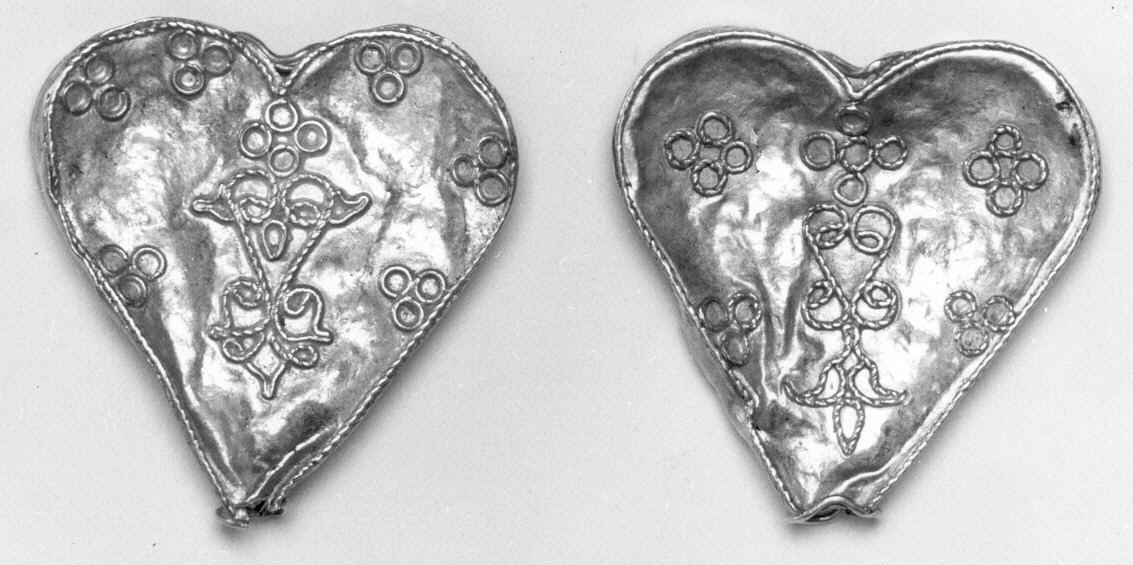
Heritage Analysis: Gold as Elemental Medium in Ancient Civilization
Introduction: The Elemental Resonance of Gold
Gold, as an elemental medium, occupies a singular position in the annals of ancient civilization. Its incorruptibility, malleability, and luminous permanence rendered it not merely a material of adornment but a vessel for metaphysical significance. For Katherine Fashion Lab, the study of gold within the context of ancient civilizations—particularly through the lens of the Mirror with Split-Leaf artifact—reveals a profound DNA correlation between historical resonance and contemporary luxury strategy. This analysis examines gold’s symbolic power, its role in historical adornment, its spiritual meaning, and the strategic implications for 2026 high-end luxury positioning.
Symbolic Power: Gold as the Immortal Element
In ancient civilizations, gold transcended its physical properties to embody the eternal. The Egyptians associated gold with the flesh of the gods, particularly Ra, the sun deity, whose radiance was mirrored in the metal’s unyielding glow. The Mirror with Split-Leaf, with its polished silver surface inlaid with intricate golden palm leaf motifs, exemplifies this duality: the reflective silver represents the transient, mortal world, while the gold leaf symbolizes divine permanence. This bifurcation is not decorative but deeply symbolic—gold becomes the elemental thread that stitches the ephemeral to the eternal.
For Katherine Fashion Lab, this symbolism is directly translatable to a 2026 luxury strategy. The modern consumer seeks objects that transcend fast fashion cycles. Gold, as an elemental medium, communicates heritage, resilience, and exclusivity. By embedding gold into design narratives that reference ancient split-leaf iconography—a motif of growth, bifurcation, and renewal—the brand can position its collections as artifacts of timeless value. The symbolic power of gold thus serves as a strategic anchor, differentiating the brand in a saturated market by appealing to the consumer’s desire for permanence.
Historical Adornment: Gold in Ritual and Status
Historically, gold adornment was not merely aesthetic but functional within hierarchical and ritualistic frameworks. In Mesopotamian and Minoan civilizations, gold diadems, pectorals, and funerary masks signified sovereignty and divine favor. The Mirror with Split-Leaf artifact, likely from a Hellenistic or Near Eastern context, presents a unique convergence: the mirror’s reverse side features a narrative relief carved into cold stone, while the obverse side gleams with gold-inlaid palm leaves. This juxtaposition of materials—gold against silver, light against shadow, life against death—mirrors the dual role of adornment in ancient society. Gold was worn to assert power in life and to accompany the soul into the afterlife.
Katherine Fashion Lab can harness this historical resonance by reimagining gold not as mere ornament but as a narrative device. The 2026 strategy should emphasize “adornment as storytelling.” For instance, collections could feature gold elements that reference ancient split-leaf patterns, symbolizing the bifurcation between personal identity and social expectation. By aligning with historical practices where gold marked rites of passage—birth, marriage, death—the brand can create pieces that resonate on a deeply personal level. This elevates the product from commodity to heirloom, a key differentiator in high-end luxury.
Spiritual Meaning: Gold as Conduit Between Worlds
Across ancient civilizations, gold was imbued with spiritual agency. In Andean cultures, gold was considered the “sweat of the sun,” while in Vedic traditions, it was associated with immortality and purity. The Mirror with Split-Leaf artifact, with its one side reflecting the physical world and the other narrating a stone-carved life story, embodies this spiritual duality. Gold serves as the mediator—the elemental bridge between the visible and the invisible. The palm leaf motif, often linked to victory and eternal life in Greco-Roman and Egyptian contexts, further amplifies this spiritual dimension. To wear gold was to carry a fragment of the divine.
For Katherine Fashion Lab, this spiritual meaning offers a powerful strategic lever for 2026. The modern luxury consumer increasingly values mindfulness, authenticity, and metaphysical connection. By positioning gold as a “conduit” rather than a commodity, the brand can tap into the growing wellness and intentionality trends. Marketing narratives should emphasize the ritualistic aspects of gold—its cooling touch, its weight, its ability to hold energy. Limited-edition pieces inspired by the split-leaf motif could be marketed as “talismans,” each carrying a story of transformation. This spiritual framing not only justifies premium pricing but also fosters emotional loyalty.
2026 High-End Luxury Strategy: The DNA of Gold
The heritage analysis of gold as an elemental medium in ancient civilization yields clear strategic directives for Katherine Fashion Lab’s 2026 positioning. First, the brand must embrace material storytelling. Gold should not be presented as a metal but as a narrative element—one that carries the DNA of ancient rituals, symbolism, and spiritual transcendence. The Mirror with Split-Leaf artifact provides a template: a single object that juxtaposes reflection and narrative, light and shadow, life and death. Katherine Fashion Lab can replicate this duality in its collections by pairing gold with contrasting materials—matte stone, raw silver, oxidized bronze—to create pieces that invite contemplation.
Second, the strategy must prioritize limited production and provenance. Ancient gold artifacts were rare, often crafted for a single ruler or deity. Katherine Fashion Lab should adopt a similar scarcity model, producing gold-centered pieces in numbered editions with documented heritage references. This aligns with the luxury sector’s shift toward exclusivity over volume.
Third, the brand should invest in experiential retail that mirrors the ritualistic context of gold. Pop-up spaces or flagship boutiques could incorporate elements of the split-leaf mirror—reflective surfaces, stone reliefs, and gold accents—to create an immersive environment. Clients should feel they are participating in a tradition, not merely purchasing a product.
Finally, the 2026 strategy must leverage digital storytelling to amplify the gold’s historical resonance. Short films, AR experiences, and curator-led narratives can decode the symbolism of split-leaf motifs and gold’s elemental role. By educating consumers on the DNA of gold—from ancient tombs to modern wrists—Katherine Fashion Lab can command authority and desirability in the high-end market.
Conclusion: The Eternal Element
Gold, as an elemental medium from ancient civilization, offers Katherine Fashion Lab a rich lexicon of symbolic power, historical adornment, and spiritual meaning. The Mirror with Split-Leaf artifact serves as a microcosm of this heritage—a testament to gold’s ability to bridge the temporal and the eternal. For the 2026 high-end luxury strategy, the brand must not merely use gold but embody its DNA: rarity, narrative, ritual, and transcendence. In doing so, Katherine Fashion Lab will not only honor ancient traditions but also forge a legacy that endures beyond the next season.