Deconstructing the Kimono: A Study in Structural Silhouette
In the rarefied world of haute couture, where fabric becomes narrative and form becomes philosophy, Katherine Fashion Lab presents a singular piece that redefines the intersection of Japanese heritage and modern luxury. This standalone study, originating from Japan and crafted exclusively from silk, is not merely a garment—it is a testament to the lab’s commitment to material integrity and architectural precision. The piece, which draws from the traditional kimono but subverts its conventions, offers a profound exploration of how silk can be manipulated to create a new lexicon of shape and movement.
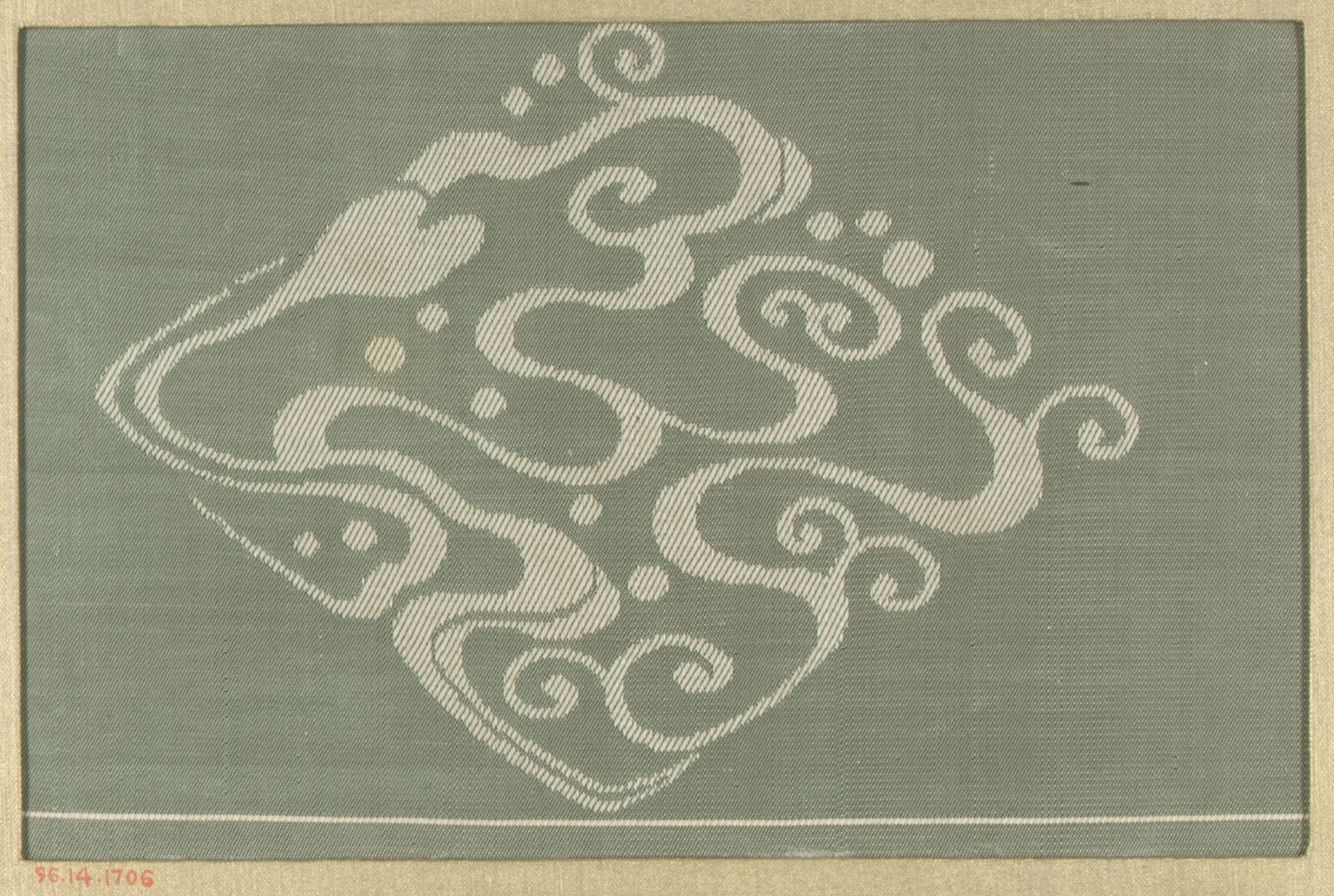
The analysis begins with the fabric itself. Silk, a material synonymous with Japanese craftsmanship, is here sourced from Kyoto’s Nishijin textile district, renowned for its centuries-old weaving techniques. The specific weave used—a double-faced crepe de chine with a subtle slub texture—allows for both drape and structure. Unlike conventional silk that clings or flows freely, this variant possesses a rigidity that enables the garment to hold its own silhouette, a deliberate choice by the lab’s design team. The silk’s weight, measured at 22 momme, provides a density that resists gravity, creating a sculptural quality reminiscent of origami. This is not a fabric that whispers; it declares its presence through a matte sheen that catches light only at extreme angles, emphasizing the piece’s geometric lines.
Silhouette and Structure: The Architecture of the Obi
The piece’s silhouette is a radical departure from the flowing, body-skimming lines of traditional Japanese garments. Instead, it adopts a boxy, almost architectural form, with shoulders that extend beyond the natural line by four inches, creating a sharp, horizontal plane. This is achieved through a hidden internal structure: a series of silk-wrapped boning channels, sewn into the garment’s lining, which mimic the rigidity of a kimono’s obi (sash) but are distributed across the entire bodice. The result is a silhouette that appears to float away from the body, yet remains anchored at the waist by a single, asymmetrical silk cord—a nod to the obijime (the cord used to tie the obi). This cord, hand-braided in Kyoto using the kumihimo technique, features a gradient of indigo to ivory, echoing the piece’s color palette.
The sleeves, or sode, are a critical element of this study. Traditionally, kimono sleeves are wide and flowing, often used for dramatic effect in movement. Here, the lab has reimagined them as detachable, modular panels that can be worn either as full-length extensions or as short capes. When attached, they form a continuous line with the bodice, creating a silhouette that is both voluminous and controlled. The sleeves are lined with a contrasting silk charmeuse in a deep aubergine, visible only when the arm is raised—a subtle surprise that speaks to the lab’s attention to interior detail. This modularity allows the piece to transition from a formal, structured ensemble to a more relaxed, draped form, a versatility rarely seen in couture.
Materiality and Craft: The Hand of the Artisan
The silk itself is treated with a natural persimmon tannin finish, a technique borrowed from Japanese shibori dyeing. This finish not only imparts a slight stiffness but also creates a subtle, uneven texture that catches light differently across the garment’s surface. The tannins also provide a faint, earthy aroma—a sensory layer that grounds the piece in its Japanese origins. The dyeing process, performed by a master artisan in Arimatsu, involves multiple dips over two weeks, each layer building depth of color. The final hue is a pale, almost translucent ivory with undertones of wasabi green, reminiscent of aged silk scrolls. This color is not uniform; it varies in intensity where the fabric folds, creating a living, breathing quality.
The construction itself is a study in precision. Every seam is hand-finished with a french seam technique, ensuring that no raw edges are visible—a hallmark of couture quality. The stitching uses silk thread spun from the same batch as the fabric, guaranteeing that the thread tension matches the fabric’s weight. The interior is lined with a silk organza that provides structure without adding bulk, and the hem is weighted with a chain of tiny, hand-polished brass beads, each no larger than a grain of rice. These beads, sourced from a family workshop in Tokyo, serve a dual purpose: they add a subtle, audible rustle when the wearer moves, and they create a gentle pull that ensures the garment hangs with a perfect, even drape.
Color and Light: A Palette of Impermanence
The color strategy for this piece is deliberately restrained, focusing on the interplay of light and shadow rather than vibrant hues. The primary palette consists of three tones: ivory, charcoal, and a muted vermillion. The ivory serves as the base, representing the blank canvas of Japanese washi paper. The charcoal appears in the form of a single, wide stripe that runs diagonally across the bodice, referencing the ink strokes of sumi-e painting. This stripe is not printed but woven into the fabric using a double-weave technique, where charcoal-dyed silk threads are interlaced with the ivory base. The vermillion, a color traditionally reserved for auspicious occasions in Japan, is used sparingly—as a thin, painted line along the edge of the sleeve panels, applied by hand using a brush and natural lacquer. This lacquer, when cured, creates a subtle gloss that contrasts with the matte silk, drawing the eye to the garment’s extremities.
The piece’s relationship with light is equally deliberate. The silk’s matte finish absorbs ambient light, while the persimmon tannin finish creates a micro-texture that scatters light unevenly. This results in a chameleon-like effect: under direct sunlight, the ivory appears almost white, while in dim interiors, it takes on a greenish cast. The charcoal stripe, conversely, remains constant, providing a visual anchor. The vermillion lacquer edges catch light only at certain angles, appearing as a fleeting glow—a metaphor for the ephemeral nature of beauty in Japanese aesthetics, or mono no aware.
Cultural Resonance and Modernity
This piece is not a direct replication of a kimono but a deconstruction and recontextualization of its core principles. The kimono’s T-shape is preserved, but its proportions are exaggerated; its modularity is retained, but its purpose is shifted from daily wear to ceremonial statement. The piece engages with the concept of ma (negative space), a fundamental element of Japanese design. The spaces between the body and the fabric—the gaps created by the extended shoulders and the floating sleeves—are as important as the fabric itself. These voids allow the garment to breathe, to exist in dialogue with the wearer’s movements, rather than simply encasing them.
Furthermore, the piece challenges Western notions of couture as body-conscious or form-fitting. It proposes an alternative: a garment that respects the body’s autonomy, offering space for introspection and ritual. The act of donning this piece is itself a performance—the modular sleeves must be attached with silk cords, the waist must be cinched with the kumihimo braid, and the hem must fall just so. This ritualistic dressing echoes the kitsuke (the art of wearing kimono), where each layer and tie holds significance. In a world dominated by fast fashion and instant gratification, this piece demands time, attention, and respect.
Conclusion: A New Standard for Couture
Katherine Fashion Lab’s standalone study is a masterclass in how tradition can inform innovation without being constrained by it. By using silk as both material and metaphor, the piece achieves a rare balance: it is at once deeply rooted in Japanese craft and boldly forward-looking in its silhouette. The modular design, the hand-finished details, and the philosophical engagement with space and impermanence elevate it beyond mere clothing into the realm of wearable art. For the discerning collector, this piece offers not just a garment, but a conversation—with history, with material, and with the self. In a fashion landscape often defined by excess, this is a study in restraint, precision, and profound beauty. It sets a new benchmark for how couture can honor its origins while charting an original path forward.