Heritage Analysis: The Lacquer Hairpin with Geese
Introduction: The Artifact as a Strategic Asset
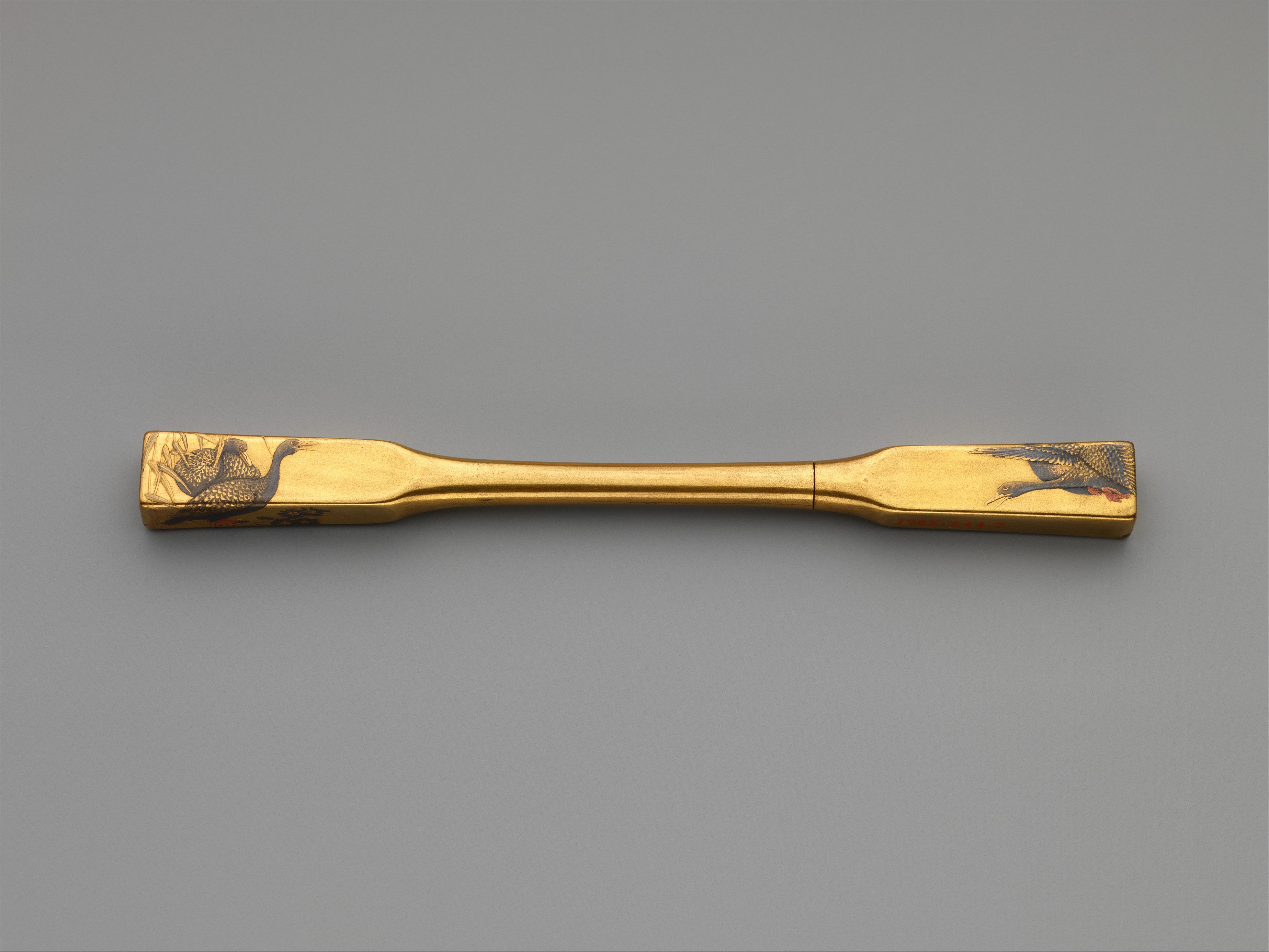
The Lacquer Hairpin with Geese, originating from Japan, represents a pinnacle of Edo-period craftsmanship and cultural symbolism. Crafted from lacquered wood and adorned with gold and silver hiramaki-e on a gold ground, this hairpin transcends its function as a mere adornment. It embodies a sophisticated language of status, spirituality, and seasonal aesthetics. For Katherine Fashion Lab, this artifact offers a rich repository of symbolic power, historical adornment practices, and spiritual meaning that can be strategically leveraged for a 2026 high-end luxury strategy. This analysis examines the hairpin’s cultural resonance and proposes a framework for integrating its heritage into a contemporary luxury narrative.
Symbolic Power: Geese as Emblems of Fidelity and Transience
The motif of geese—specifically wild geese (kari or gan)—carries profound symbolic weight in Japanese culture. In classical literature and art, geese represent fidelity, marital harmony, and the cyclical nature of life. Their seasonal migrations, often depicted in autumn, evoke mono no aware—the bittersweet awareness of impermanence. The hairpin’s use of geese in flight or resting suggests a narrative of journey and return, aligning with Confucian and Buddhist ideals of loyalty and spiritual renewal.
From a strategic perspective, this symbolism offers Katherine Fashion Lab a unique brand narrative. In 2026, high-end consumers increasingly seek emotional depth and authenticity in luxury goods. The geese motif can be positioned as a metaphor for enduring relationships, resilience, and the beauty of change—themes that resonate with a global audience seeking meaning beyond materialism. By anchoring the hairpin’s design in these universal values, the lab can create a collection that speaks to timeless elegance while differentiating itself from transient fashion trends.
Historical Adornment: The Hairpin as Status and Identity
In Edo-period Japan, the lacquer hairpin (kanzashi) was more than a decorative accessory; it was a marker of social hierarchy, marital status, and regional identity. Women of the samurai class and wealthy merchant families wore elaborate kanzashi to signify their rank and wealth. The use of hiramaki-e—a technique where designs are created by sprinkling gold or silver powder onto wet lacquer—indicates the hairpin’s high value and the wearer’s affluence. The gold ground further amplifies this prestige, as gold was associated with divine light and imperial authority.
For Katherine Fashion Lab, this historical context provides a blueprint for exclusivity and craftsmanship. The 2026 luxury market prizes artisanal techniques and heritage production. By reviving or collaborating with master lacquer artisans, the lab can position these hairpins as collectible art objects rather than mere accessories. The limited-edition nature of such pieces, combined with their historical lineage, aligns with the growing demand for slow luxury and investment-worthy items. Moreover, the hairpin’s role in signaling identity can be adapted for modern storytelling: each piece could be tied to a specific narrative—such as a “seasonal migration” collection—allowing consumers to express personal values and cultural appreciation.
Spiritual Meaning: Lacquer and Gold as Sacred Materials
Lacquer (urushi) holds deep spiritual significance in Japanese culture. Derived from the sap of the lacquer tree, it was traditionally used in Buddhist ritual objects and temple architecture due to its protective and purifying properties. The application of gold and silver in hiramaki-e further elevates the hairpin’s spiritual dimension, as gold was believed to channel kami (spiritual energy) and ward off evil. The geese motif, often associated with the Buddhist concept of enlightenment (as geese are seen as guides to higher realms), reinforces the hairpin’s role as a talisman of spiritual protection.
This spiritual layer offers Katherine Fashion Lab a powerful differentiator in the luxury market. In 2026, consumers are increasingly drawn to brands that integrate mindfulness and well-being into their offerings. The hairpin can be marketed not only as a beautiful object but as a ritual artifact—a piece that connects the wearer to Japanese spiritual traditions. For example, the lab could develop a “Mindful Adornment” collection, where each hairpin is accompanied by a narrative of its symbolic meaning and a suggested meditation practice. This approach transforms the product from a commodity into a holistic experience, appealing to the luxury consumer’s desire for self-care and cultural immersion.
2026 High-End Luxury Strategy: Integrating Heritage with Modernity
To effectively leverage the Lacquer Hairpin with Geese in a 2026 strategy, Katherine Fashion Lab must balance heritage preservation with contemporary relevance. The following strategic pillars are recommended:
1. Artisanal Collaboration and Limited Editions: Partner with living National Treasure lacquer artists in Japan to create a series of hairpins that reinterpret the geese motif. Each piece should be numbered and certified, with a documented provenance that traces its materials and techniques. This creates scarcity and authenticity, key drivers of high-end luxury value.
2. Narrative-Driven Marketing: Develop a brand narrative that centers on the journey of the geese—migration, return, and renewal. Use immersive content, such as short films or virtual reality experiences, to transport consumers to the landscapes and rituals that inspired the hairpin. This storytelling approach builds emotional resonance and fosters brand loyalty among discerning buyers.
3. Cross-Cultural Positioning: While honoring the hairpin’s Japanese origins, frame it as a universal symbol of grace and transformation. Collaborate with global influencers in art, spirituality, and fashion to expand its appeal. For instance, a limited-edition release could coincide with the autumn equinox, emphasizing themes of balance and change.
4. Experiential Retail and Digital Integration: Offer exclusive, invite-only events where clients can witness the hiramaki-e technique in person or participate in virtual workshops. Accompany each purchase with a digital certificate of authenticity that includes a QR code linking to the artisan’s story. This phygital approach merges the tangible and digital, meeting the expectations of tech-savvy luxury consumers.
5. Sustainability and Ethical Craftsmanship: Highlight the sustainable nature of lacquer harvesting and the longevity of lacquered objects. Position the hairpin as a counterpoint to fast fashion, emphasizing its durability and potential as a heirloom. This aligns with the 2026 luxury market’s shift toward conscious consumption.
Conclusion: A Blueprint for Timeless Luxury
The Lacquer Hairpin with Geese is not merely a historical artifact; it is a strategic asset for Katherine Fashion Lab’s 2026 high-end luxury strategy. Its symbolic power, historical depth, and spiritual resonance offer a rich foundation for creating products that are both culturally significant and commercially viable. By honoring the craftsmanship and meaning of this hairpin while adapting it for modern sensibilities, the lab can establish itself as a leader in heritage-driven luxury. In an era where consumers seek authenticity, emotional connection, and sustainability, this artifact provides a timeless blueprint for success.