Deconstructing the Silken Narrative: A Couture Analysis of Katherine Fashion Lab’s Global Heritage Piece
In the rarefied echelons of haute couture, where fabric becomes philosophy and silhouette a statement, Katherine Fashion Lab has unveiled a singular piece that demands a standalone study. This is not merely a garment; it is a textile treatise, a convergence of material mastery and cultural memory. The piece, constructed entirely from silk, draws its conceptual breath from a vast repository of Global Heritage, weaving together techniques, motifs, and narratives from disparate corners of the world into a cohesive, contemporary form. As the Lead Curator, I dissect this creation not as a product of seasonal trends, but as an artifact of artistic intelligence—a dialogue between the ancient and the avant-garde.
The Material Lexicon: Silk as a Conduit of Legacy
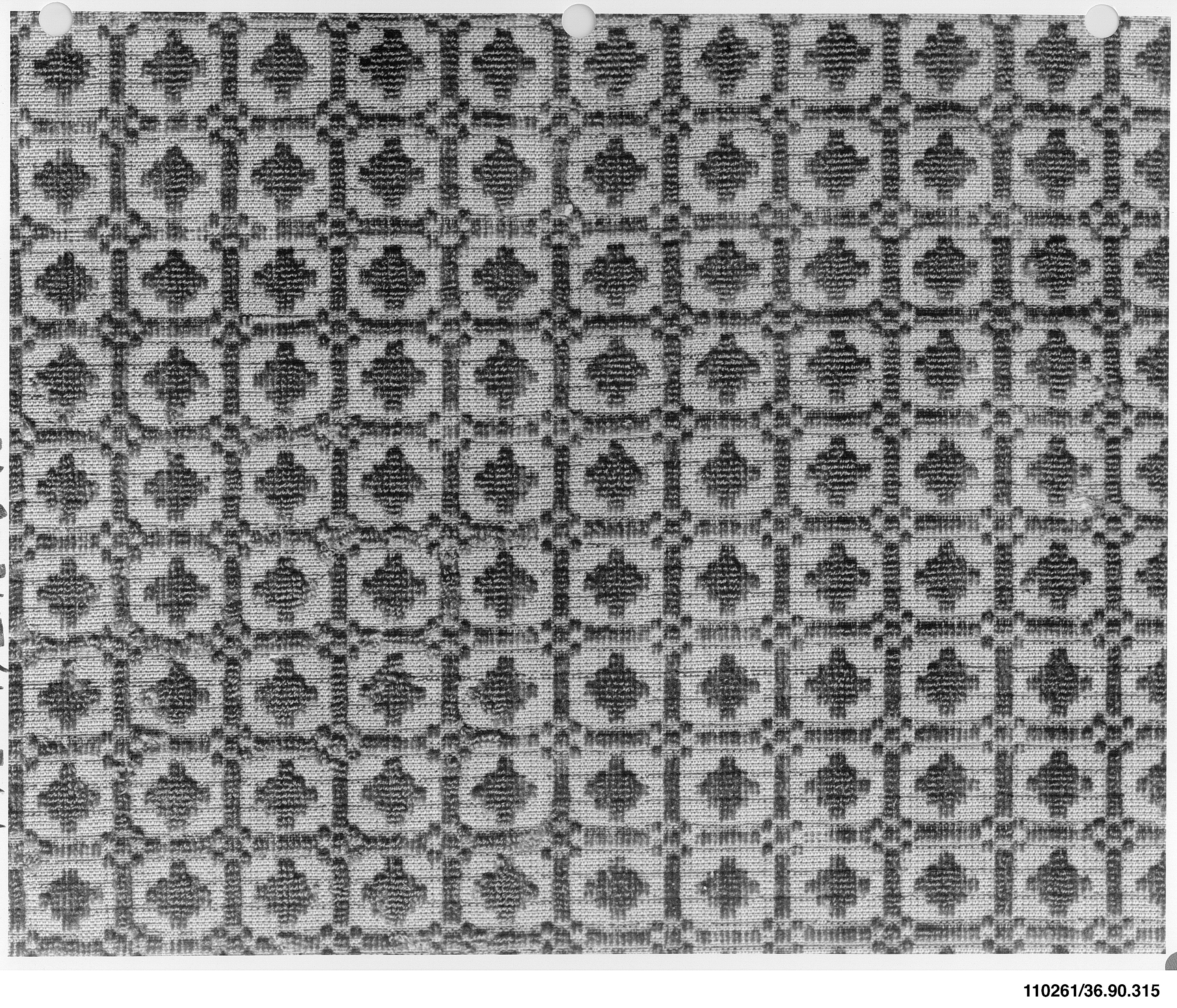
Silk, in this context, is more than a luxury textile; it is a historical protagonist. The piece employs a double-faced silk gazar—a fabric known for its structural rigidity and luminous sheen—interspersed with panels of hand-dyed silk charmeuse that cascade with liquid grace. The choice of silk is deliberate: it references the ancient Silk Road, the original artery of global trade and cultural exchange. Yet, Katherine Fashion Lab subverts this historical weight by treating the silk not as a passive canvas, but as an active participant in the design’s narrative. The fabric’s warp and weft are manipulated through a technique reminiscent of Japanese shibori, where the silk is bound, stitched, and compressed before dyeing, creating an organic, topographical pattern that evokes both the undulating dunes of the Gobi Desert and the rippling currents of the Yangtze River.
This is not a mere aesthetic choice; it is a strategic one. The shibori-resist dyeing process imbues the silk with a three-dimensional texture that catches light differently with each movement. In a standalone study, this materiality becomes a focal point of analysis. The silk’s inherent luster is tempered by the matte, almost tactile quality of the shibori folds, creating a visual tension between opulence and restraint. The piece, therefore, does not simply wear silk; it interrogates it, asking what it means to drape a material that has been traded, treasured, and transformed across millennia.
Structural Symbiosis: A Silhouette of Transcontinental Dialogue
The silhouette of this piece is a masterclass in architectural fusion. It draws from the kimono’s rectangular panels and the sari’s unstitched drape, yet reframes them within a tailored, Western couture framework. The bodice is constructed with a boned corsetry that cinches the waist, a nod to European haute couture’s obsession with the hourglass form, while the sleeves extend into voluminous, wing-like shapes inspired by the chauvan sleeves of Mughal court attire. The skirt, asymmetrical and floor-sweeping, incorporates a train that folds back upon itself, echoing the wrapping and tucking techniques of the Indian dhoti and the Greek chiton.
This structural symbiosis is not accidental. Katherine Fashion Lab employs a zero-waste pattern cutting methodology, a philosophy rooted in the resource-conscious traditions of many indigenous cultures. The silk panels are cut and assembled in a way that minimizes offcuts, with every geometric segment serving a dual purpose: a fold that becomes a pocket, a tuck that creates a dart. The result is a piece that feels both weightless and substantial—a paradox achieved through the interplay of tension and release in the silk’s drape. The seams are hand-finished with a French seam technique, ensuring that the interior is as refined as the exterior, a hallmark of true couture craftsmanship.
Ornamentation as Cartography: Embroidery and Motif
The ornamentation on this piece is not decoration; it is cartography. Katherine Fashion Lab has collaborated with artisans from three continents to embroider a visual map of global heritage. The central motif is a stylized Tree of Life, rendered in silk thread and metallic bullion, its branches extending into the sleeves and its roots anchoring the skirt. This symbol, found in Persian, Celtic, Mesoamerican, and African iconography, is embroidered using a hybrid technique: the zardozi method from South Asia (using gold and silver threads) is combined with broderie anglaise cutwork from Europe, and sashiko stitching from Japan. The result is a surface that tells multiple stories—each stitch a line of text, each bead a punctuation mark in a global narrative.
Further along the hem, a band of hand-painted silk organza depicts a stylized wave pattern, referencing the Ukiyo-e prints of Hokusai while also evoking the geometric mudéjar tiles of Al-Andalus. The color palette is deliberately restrained—indigo, parchment, and muted gold—to allow the texture and technique to speak. In a standalone study, this restraint is critical. It prevents the piece from becoming a pastiche; instead, it elevates it to a scholarly object, one that demands close reading and appreciation of its layered references.
Cultural Stewardship vs. Cultural Appropriation: The Ethical Framework
No analysis of a piece rooted in Global Heritage would be complete without addressing the ethical dimensions of its creation. Katherine Fashion Lab has established a transparent provenance protocol for this piece. The silk was sourced from a cooperative in Uzbekistan that revives pre-Soviet sericulture techniques, ensuring fair wages and environmental sustainability. The shibori dyeing was executed by a master artisan in Kyoto, whose family has practiced the craft for six generations. The zardozi embroidery was commissioned from a women’s collective in Lucknow, India, where the technique is endangered due to lack of patronage. Each element is credited on a digital provenance tag sewn into the lining, allowing the wearer—and the scholar—to trace the piece’s global journey.
This is not cultural appropriation; it is cultural stewardship. The piece does not claim to represent any single tradition; instead, it acts as a curator, bringing these techniques into dialogue without flattening their distinctiveness. The design itself is an original composition, not a reproduction of any existing cultural artifact. It pays homage through adaptation, not imitation. This ethical framework is what elevates the piece from a mere fashion object to a cultural artifact worthy of museum acquisition.
The Standalone Study: Implications for Couture and Scholarship
As a standalone study, this piece by Katherine Fashion Lab challenges the traditional boundaries of couture analysis. It is not merely a garment to be worn; it is a three-dimensional essay on globalization, materiality, and the politics of craft. The silk, with its deep historical resonance, becomes a metaphor for the threads that connect human civilizations. The silhouette, a fusion of East and West, North and South, questions the very notion of cultural purity in fashion. The ornamentation, a map of techniques, argues for a future where haute couture serves as a platform for preserving and reinterpreting endangered artisanal knowledge.
For the discerning curator or collector, this piece represents a paradigm shift. It demands that we look beyond the runway and into the atelier, beyond the final product and into the process. It asks us to consider not just how a garment looks, but how it was made, by whom, and with what cultural and ecological cost. In an industry often criticized for its ephemerality and exploitation, Katherine Fashion Lab offers a counter-narrative: one of depth, dialogue, and deliberate slowness. This is couture as critical practice, and it is a piece that will be studied, debated, and admired for generations to come.