Executive Summary: The Pile as Power
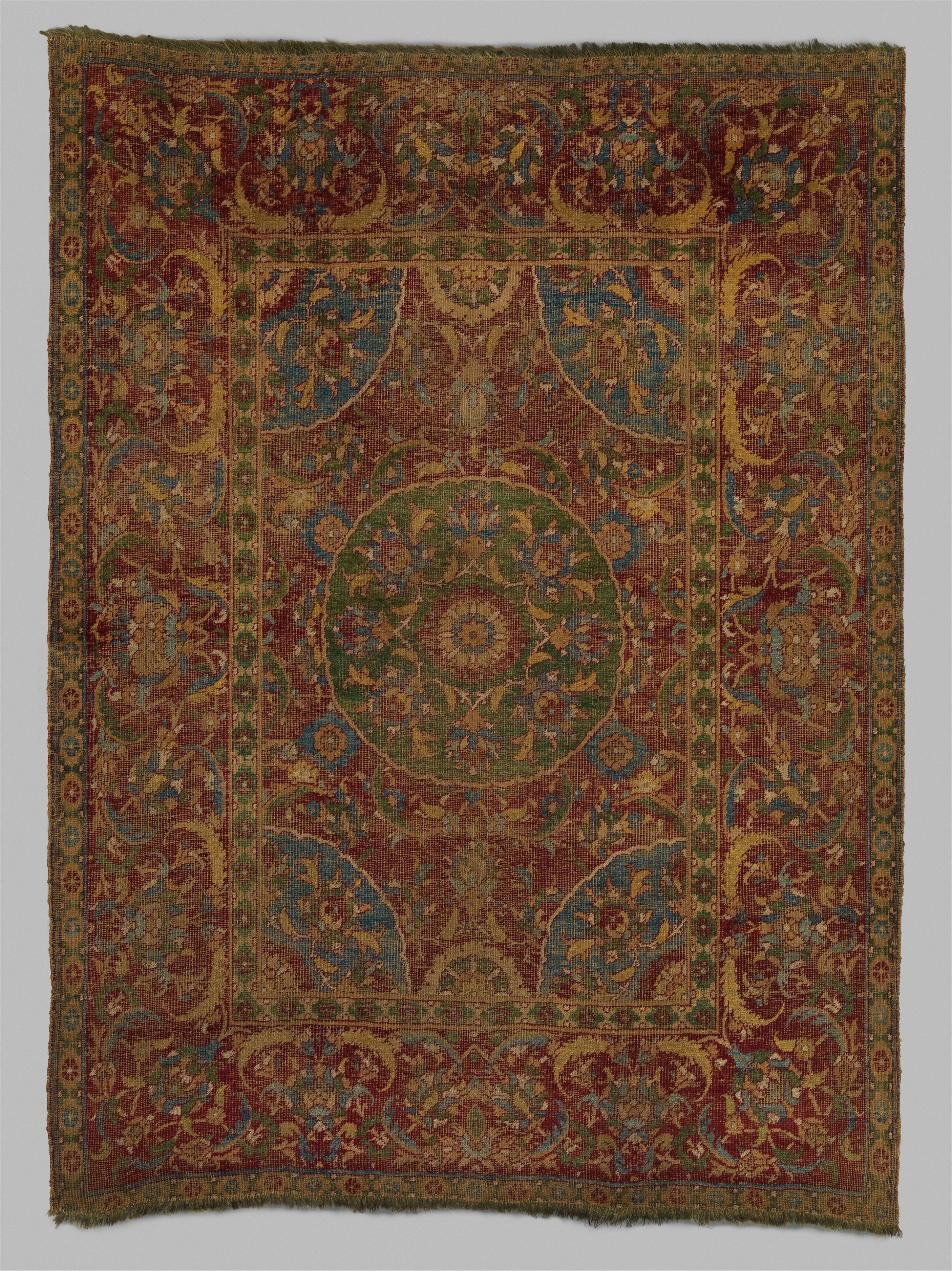
For Katherine Fashion Lab, heritage is not a static archive but a dynamic, strategic resource. This analysis examines the carpet, specifically the asymmetrically knotted wool pile rug originating in ancient civilizations, as a profound case study in woven authority. Moving beyond mere craft, we decode the carpet as a foundational technology of symbolic power, a medium of historical adornment for both person and space, and a vessel of deep spiritual meaning. This research positions these ancient codes not as relics, but as a proprietary lexicon for a 2026 high-end luxury strategy. The objective is to transform historical density into contemporary desire, translating the language of the knot into a narrative of exclusivity, intentionality, and grounded power for the discerning modern client.
Deconstructing the Code: Symbolic Power and Woven Sovereignty
In the context of ancient civilizations—from the nomadic tribes of the Pontic-Caspian steppe to the courtly workshops of Persia—the carpet was never a mere floor covering. It was a portable, tactile map of cosmology and a manifest declaration of sovereignty. The very act of creating an asymmetrical knot (often the Persian or Senneh knot) was an exercise in controlled complexity, requiring immense skill and time, thus establishing its inherent luxury value from the outset.
The Grammar of the Knot and the Field
The structural components form a symbolic syntax. The warp represents the unchangeable, the vertical axis connecting earth and heaven, the foundational principles of a culture or ruler. The weft is the horizontal narrative of life, history, and daily existence that binds the structure. The pile, created by thousands of individual knots, is the manifested world itself—dense, textured, and rich with detail. The asymmetrical knot, allowing for finer curvature and more detailed imagery, was the chosen tool for depicting complex emblems of power: the lion of royalty, the phoenix of immortality, the geometric *gül* of tribal identity. To walk upon such imagery was to literally tread upon a subdued world, a potent metaphor for dominion understood by both the maker and the user.
Adornment Beyond the Body: The Carpet as Enveloping Environment
Katherine Fashion Lab’s expertise in historical adornment traditionally focuses on the corporeal. The carpet expands this frontier to the adornment of environment and ritual space. In ancient contexts, carpets defined sacred zones within tents and palaces, created corridors of ceremony, and elevated the status of individuals not through what they wore, but upon what they stood or sat. They were the ultimate non-garment garment, draping the earth and architecting social hierarchy.
Materiality as Message: The Primacy of Wool
The medium of wool (for warp, weft, and pile) is critical to the message. Wool was a living material—resilient, insulating, capable of holding vibrant mineral and vegetable dyes. Its very nature spoke of pastoral wealth, of a symbiotic relationship with the animal world, and of a material transformed through human ingenuity. The tactile experience of wool pile—its resilience underfoot, its warmth, its evolving patina—communicated a luxury that was durable, connected, and alive, in stark contrast to colder, harder surfaces of stone or tile reserved for public or impersonal spaces.
Spiritual Meaning: The Loom as a Portal
The spiritual dimension of carpet weaving is perhaps its most potent heritage asset. The loom was seen as a cosmological framework. Weavers, often women, engaged in a meditative, prayerful act, with each knot potentially carrying an invocation or a wish. Patterns were rarely mere decoration; they were symbolic libraries.
Motifs as Metaphysical Maps
The border represented the boundaries of the known world or the protective frame of existence. The field contained the universe: the Tree of Life connecting underworld, earth, and paradise; the *boteh* (paisley) as a symbol of fertility and eternity; the endless knot representing the interwoven nature of all things. To possess a carpet was to own a fragment of a ordered, meaningful cosmos. This imbues the object with a narrative of intentional creation—a stark counterpoint to the alienated, mass-produced goods of the modern era.
Strategic Application: The 2026 High-End Luxury Code
For the 2026 luxury market, characterized by a demand for radical authenticity, narrative depth, and quiet, intelligent power, the carpet’s heritage provides a unparalleled strategic blueprint. Katherine Fashion Lab can leverage this not through literal reproduction, but through conceptual translation.
Pillar 1: Woven Intelligence & Narrative Exclusivity
Position collections around the concept of "Woven Intelligence." Each piece should be framed as carrying a coded narrative, much like an ancient carpet. This involves: Material Storytelling: Source rare, traceable wools (e.g., ancient breed vicuña, specific regional merino), treating them with the reverence of a precious resource. Document the origin story of every material component. Motif as Personal Iconography: Work with clients or artists to develop personal or familial symbols, translating them into abstracted patterns embedded in fabric structures, jacquards, or embroideries. The garment becomes a private heraldry.
Pillar 2: Adornment of Space and Self – The Total Environment
Expand the Lab’s scope to curated environmental capsules. A 2026 luxury strategy should offer not just a coat, but a sensory universe. This could involve: Complementary Object Design: Limited-run travel rugs, bespoke seating textiles, or wall hangings that share the narrative and material DNA of a couture collection. Immersive Client Experience: Present collections in environments that mimic the transformative, defining power of a carpet—creating textured, layered, and intimate spaces that adorn the client during the viewing.
Pillar 3: The Spiritual of Craft – Patina and Intention
In an age of digital saturation, the ancient carpet’s spiritual heritage offers a philosophy of "Intentional Slowness." Patina as Value: Market the beauty of evolution—how specific wools and dyes mature and soften with wear, making the garment a living record of the owner’s journey. Guarantee repair and restoration services, framing them as a continuation of the object’s life. The Ritual of Creation: Document and highlight the meditative, skilled processes behind asymmetric knotting (translated into intricate beading, embroidery, or weaving techniques). Frame artisans as modern-day practitioners of a mindful craft.
Conclusion: Knotting the Past to the Future
The ancient wool carpet, with its asymmetrically knotted pile, stands as a masterclass in integrated luxury. It successfully fused symbolic power, environmental adornment, and spiritual meaning into a single, indispensable object of desire. For Katherine Fashion Lab, this heritage analysis reveals a path beyond seasonal trends. By interpreting the carpet’s codes—its grammar of structure, its philosophy of materiality, and its narrative depth—the Lab can architect a 2026 luxury strategy that is both grounded and transcendent. The goal is to create heirlooms that, like their ancient antecedents, speak a silent, powerful language of identity, belonging, and cultivated meaning, establishing not just a clientele, but a legacy.