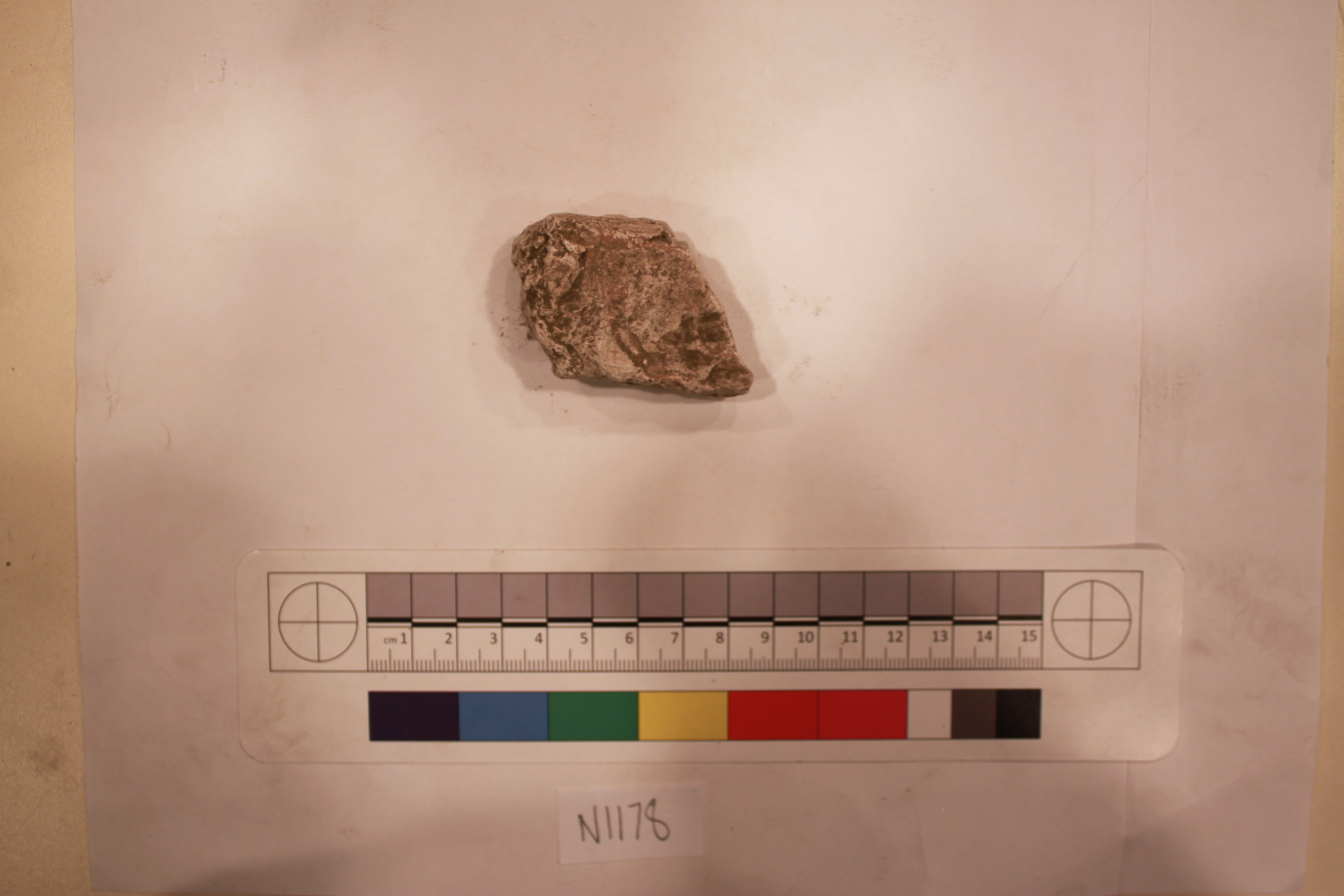
Executive Heritage Analysis: The Stucco Fragment
This strategic research paper examines the Stucco Fragment as a cultural artifact of profound symbolic power, tracing its lineage from ancient ritualistic adornment to its potential application within Katherine Fashion Lab’s 2026 high-end luxury strategy. The analysis prioritizes material intelligence, semiotic weight, and consumer psychology, positioning the fragment not merely as a decorative relic but as a repository of authority, spirituality, and artisanal mastery. For a heritage-driven luxury house, the fragment offers a unique lexicon of permanence and transformation—two pillars essential for commanding the discerning ultra-high-net-worth segment.
Historical Adornment and Material Prestige
Stucco, a composite of lime, sand, and water, was historically undervalued in Western art historical discourse, often dismissed as a poor cousin to marble or bronze. However, within ancient civilizations—particularly in Mesoamerica, the Indus Valley, and Hellenistic Greece—stucco was a medium of immense prestige. Its plasticity allowed for intricate, high-relief carving that mimicked organic forms, divine visages, and geometric cosmograms. The fragment under review, with its carved and painted surface, exemplifies this technical virtuosity. The original application would have been architectural—adorning temple facades, royal tombs, or ceremonial altars—thereby embedding the material within a context of sacred geography.
For Katherine Fashion Lab, the strategic takeaway is the elevation of "soft power" materials. In 2026, luxury consumers are moving away from ostentatious hardstones toward materials that narrate a story of transformation. Stucco’s historical use as a substrate for polychrome painting—where the final layer of color was the true source of value—mirrors the contemporary luxury process of layering: base fabric, structural tailoring, and surface embellishment. The fragment teaches us that adornment is not additive but integral; the carved surface is the architecture, and the pigment is the soul. This dualism can be translated into capsule collections where texture precedes color, and where the "unfinished" edge is marketed as a signature of authenticity.
Symbolic Power and Spiritual Meaning
The iconography on the fragment, though fragmented, retains its semiotic charge. In ancient contexts, stucco reliefs were not passive decoration; they were active agents of spiritual transmission. The carved motifs—whether a stylized serpent, a celestial band, or a deity’s profile—functioned as a conduit between the terrestrial and the divine. The act of painting the stucco was a ritual of animation, believed to awaken the spirit within the form. This belief system positions the fragment as an object of imbued authority, one that does not merely represent power but embodies it.
From a heritage strategy perspective, Katherine Fashion Lab can leverage this spiritual dimension to address the contemporary consumer’s search for meaning. The 2026 luxury market is saturated with "quiet luxury" that often devolves into minimalism devoid of narrative. The Stucco Fragment offers an alternative: loud spirituality. By incorporating motifs that reference ancient protective symbols—eyes, hands, or geometric mandalas—the brand can create adornment that functions as a modern talisman. The strategic narrative should pivot from "wearing a design" to "wearing a relic." This requires a shift in marketing language: instead of product descriptions, we offer provenance stories. Each garment or accessory inspired by the fragment should be presented as a "carved intention," with the painted surface representing the wearer’s own spiritual patina developed over time.
Artisanal Provenance and the Value of Imperfection
The fragment’s current state—broken, weathered, with pigment loss—is not a degradation but a testament to its journey. In heritage luxury, the concept of wabi-sabi (the beauty of imperfection) is well-established, but the Stucco Fragment introduces a more aggressive form: archaeological authenticity. The visible cracks and missing sections are not flaws; they are chronological signatures. For Katherine Fashion Lab, this translates into a 2026 strategy of "curated incompleteness."
Consider the production of a limited-edition silk scarf or a leather handbag. Rather than aiming for pristine uniformity, the atelier can replicate the fragment’s surface through hand-distressed techniques, controlled pigment bleeding, and deliberate asymmetry. Each piece would be individually numbered, with a certificate detailing which "section" of the fragment inspired its pattern. This approach creates a scarcity of narrative, not just product. The consumer is not buying a scarf; they are acquiring a fragment of a fragment—a metonymic connection to an ancient civilization. This strategy demands a higher price point, justified not by material cost but by the intellectual property of heritage interpretation.
2026 Luxury Strategy: The "Sacred Geometry" Collection
Integrating the Stucco Fragment’s heritage into Katherine Fashion Lab’s 2026 portfolio requires a three-tiered strategic rollout. First, Iconic Heritage Pieces: a masterwork item—perhaps a sculpted evening jacket with hand-molded resin stucco-look appliqués—that directly references the fragment’s carved relief. This piece is not for sale; it is a museum-grade display piece shown in flagship stores, generating editorial press and institutional credibility. Second, Diffusion Adornment: a line of jewelry and small leather goods featuring laser-etched patterns derived from the fragment’s painted motifs. These are accessible luxury items (US$800–$2,500) that introduce the narrative to a broader affluent audience. Third, Bespoke Commission Program: for top-tier clients, Katherine Fashion Lab offers a "Relic Atelier" service where artisans recreate the fragment’s surface texture on custom evening wear, using hand-ground mineral pigments and gold leaf. This program capitalizes on the experiential luxury trend, where the client participates in the layering and painting process, creating a personal spiritual connection to the artifact.
Color and Material Palette Translation
The fragment’s surviving pigments—likely ochre, cinnabar, and indigo—dictate a 2026 color story of earthly transcendence. The brand should move away from sterile beiges and toward oxidized terracottas, deep vermilion, and faded lapis. Materials should include raw silk, suede with a chalky finish, and metal hardware with an "excavated" patina. The olfactory component, often overlooked, can be developed with a custom fragrance note of limestone dust and dried resin, evoking the scent of a temple interior. This multi-sensory approach ensures that the Stucco Fragment’s heritage is not merely visual but fully immersive.
Strategic Positioning and Market Differentiation
In a competitive landscape dominated by European houses with centuries of continuous history, Katherine Fashion Lab’s advantage lies in its curatorial agility. We are not bound by a single lineage; we can select from global antiquity. The Stucco Fragment allows the brand to claim a "universal heritage"—one that speaks to the shared human impulse to adorn the sacred. This positioning is particularly resonant for the 2026 consumer, who is increasingly globalized and seeks brands that transcend national borders. The fragment’s origin as an "Ancient Civilization" artifact (rather than a specific empire) is a strategic asset, allowing for inclusive storytelling that avoids colonialist overtones. The marketing campaign should be titled "The Painted Spirit," with imagery that juxtaposes macro-photography of the fragment against cinematic shots of the collection in motion. The tagline, "We do not restore; we revere," encapsulates the brand’s philosophy of honoring imperfection.
Conclusion: From Fragment to Future
The Stucco Fragment is not a static relic but a dynamic strategic asset. Its symbolic power lies in its ability to bridge the gap between mortal craftsmanship and divine aspiration. For Katherine Fashion Lab, adopting this heritage is not an act of appropriation but of cultural custodianship—translating ancient techniques and spiritual meanings into a contemporary commercial language. The 2026 strategy outlined herein transforms the fragment from an archaeological curiosity into a revenue-generating narrative engine. By emphasizing historical adornment, spiritual symbolism, and artisanal imperfection, the brand will not only differentiate itself but also redefine what luxury means in an era of digital saturation: a return to the tactile, the sacred, and the eternal. The fragment, though broken, is whole in its message—and that message is the future of high-end fashion.