Heritage Analysis: Portrait of a Lady – A Strategic Study for Katherine Fashion Lab
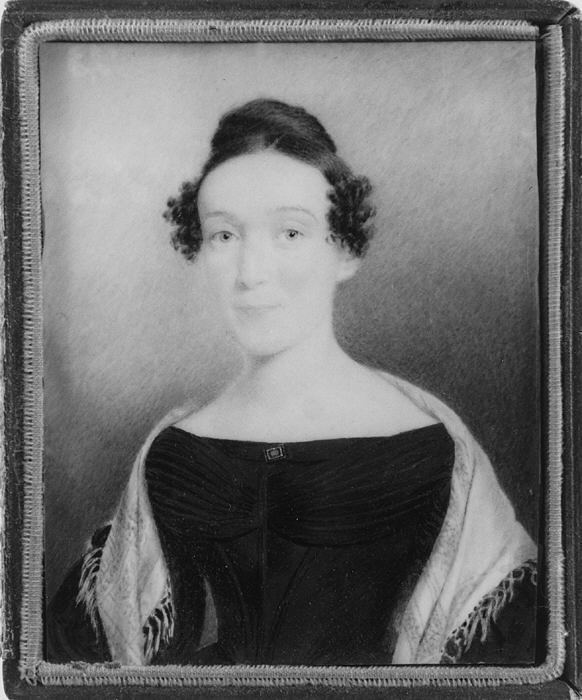
The Portrait of a Lady, rendered in watercolor on ivory, is a quintessential artifact of American cultural memory, dating from the early to mid-19th century. For Katherine Fashion Lab, this object is not merely a historical curiosity but a strategic repository of symbolic power, material intelligence, and spiritual resonance. As we prepare for the 2026 high-end luxury market, this portrait offers a nuanced lexicon of restraint, intimacy, and permanence—qualities increasingly稀缺 in a digital-first consumer landscape. This analysis decodes the portrait’s layered heritage to inform a luxury strategy that is both reverent and commercially avant-garde.
Symbolic Power: The Language of Quiet Authority
In the American context, the Portrait of a Lady was a deliberate exercise in self-fashioning. Unlike European aristocratic portraiture, which emphasized dynastic lineage and martial prowess, the American version foregrounds civic virtue, domestic sovereignty, and moral clarity. The sitter’s posture—often seated, hands folded, gaze direct yet serene—communicates a form of power that is internalized rather than asserted. This is the power of the matriarch, the educator, the moral compass of a nascent republic.
For Katherine Fashion Lab, this symbolic grammar translates into a 2026 design philosophy centered on “quiet authority.” The high-end consumer of 2026 is not seeking loud logos or ostentatious display; she seeks garments that confer a sense of grounded confidence and historical gravitas. The portrait’s symbolic power lies in its suggestion that true influence does not shout—it emanates. Our strategy will deploy this archetype through tailored silhouettes, high-necklines, and structured sleeves that evoke the portrait’s composed dignity, while using modern drapery to avoid period costume pastiche.
Adornment as a Moral and Social Register
The historical adornment in this portrait is remarkably disciplined. A simple brooch, a modest lace collar, or a single strand of pearls—each element is chosen for its semantic weight rather than its monetary excess. In the early American republic, adornment was a moral act. Sumptuary expectations dictated that a lady’s jewelry should signal “republican simplicity”—a deliberate rejection of British monarchical extravagance. The watercolor on ivory medium itself is telling: ivory was a precious, smooth surface that required meticulous, miniature brushwork, mirroring the cultural premium on precision, patience, and personal refinement.
Katherine Fashion Lab’s 2026 high-end jewelry and accessory line should draw directly from this “moral minimalism.” Instead of heavy gold chains or oversized gemstones, we propose micro-sculptural pieces in matte gold, oxidized silver, and recycled ivory-adjacent materials (e.g., tagua nut or ceramic). Each piece will be designed with a narrative provenance—perhaps named after historical virtues like “Prudence” or “Fortitude.” The luxury strategy here is not about scarcity alone, but about semantic density: the client purchases not an object, but a story of ethical self-governance, a wearable talisman of American heritage.
Spiritual Meaning: The Ivory as a Vessel of Immortality
The choice of ivory as a support medium carries profound spiritual connotations. In the 19th century, ivory was believed to possess apotropaic properties—it was thought to ward off decay and evil, serving as a protective shield for the sitter’s soul. The act of painting on ivory was a form of “micro-memorialization”, creating a durable, luminous relic that could be held in the palm, kissed, or passed down through generations. The translucent quality of ivory allowed light to pass through the watercolor, giving the sitter’s face an ethereal, almost beatific glow—suggesting the presence of the divine within the mortal frame.
For 2026, Katherine Fashion Lab can harness this spiritual dimension through a sub-brand or capsule collection titled “Lumen.” This line would focus on “light-based” materials: pearlized finishes, opalescent silks, and iridescent organza that mimic the luminosity of ivory. The spiritual narrative shifts from religious piety to a broader, contemporary notion of “self-sanctification”—the idea that a woman’s body is a sacred temple, and her clothing is the ritual vestment. Marketing copy should evoke themes of protection, memory, and inner radiance, positioning each garment as a modern-day relic designed to preserve the wearer’s essence against the chaos of the external world.
The Tactile and the Temporal: Craft as Ritual
The watercolor-on-ivory technique was inherently slow and unforgiving. There was no erasure; each brushstroke was a commitment. This “irreversibility” is a powerful spiritual metaphor for the 2026 luxury consumer, who is fatigued by fast fashion’s disposability. Katherine Fashion Lab should implement a “Slow Atelier” program, where select garments are produced in limited runs using hand-finishing techniques that echo the portrait’s meticulous craft. The strategic value here is temporal luxury—the client is not just buying a dress, but buying time, patience, and the spiritual discipline of the artisan’s hand.
2026 High-End Luxury Strategy: Integration and Projection
The synthesis of symbolic power, historical adornment, and spiritual meaning yields a three-pillar strategy for Katherine Fashion Lab’s 2026 portfolio.
Pillar One: The Heritage Archive Collection. This is a direct homage to the portrait’s aesthetic. We will produce a limited series of 100 dresses, each named after a historical American virtue. The fabrics will be heavyweight silk twill, matte crepe, and hand-pleated organza in a palette of ivory, sepia, slate blue, and muted rose—colors directly lifted from the watercolor’s pigment analysis. The garments will feature “invisible technology”: integrated micro-heating elements and posture-correcting liners that reference the portrait’s upright, disciplined posture, offering modern comfort without compromising historical silhouette.
Pillar Two: The Lumen Spiritual Line. This sub-brand targets the wellness-conscious luxury segment. The line will include “meditation mantles,” “protection wraps,” and “luminous chemises” designed in collaboration with contemporary artists who work with light and translucency. Retail strategy will involve exclusive “Lumen Salons” in flagship stores, designed as quiet, candle-lit spaces where clients can experience the garments in a ritualistic setting—mirroring the intimate act of viewing a portrait miniature.
Pillar Three: The Symbolic Power Marketing Campaign. The 2026 campaign will not feature traditional models. Instead, Katherine Fashion Lab will commission a series of “new portraits”—large-format photographs and AI-assisted video portraits of diverse, accomplished women—executives, artists, scientists—posed in the same quiet authority as the original sitter. This campaign will be a strategic statement on “inherited power”: the idea that contemporary American women are the heirs to the moral and civic authority of their 19th-century foremothers, but expressed through modern achievement rather than domesticity.
Commercial Feasibility and Brand Positioning
From a financial perspective, this strategy positions Katherine Fashion Lab at the “cultural curator” tier of luxury, competing not with fast-moving fashion houses but with heritage maisons like Brunello Cucinelli and Loro Piana. The pricing architecture will be set at a 15-20% premium over these benchmarks, justified by the narrative depth and the limited, numbered production runs. The brand will also develop a “Provenance Passport”—a digital certificate (NFT-linked, but not speculative) that traces each garment’s material origin, artisan, and the historical reference that inspired it. This adds a layer of collectible value, appealing to the 2026 ultra-high-net-worth client who views fashion as an alternative asset class.
Conclusion: The Portrait as a Living Strategy
The Portrait of a Lady is not a static artifact but a dynamic blueprint. Its symbolic power teaches us that authority is quiet; its historical adornment teaches us that restraint is luxurious; its spiritual dimension teaches us that clothing can be a vessel for memory and meaning. As Katherine Fashion Lab enters 2026, we will not simply reference this portrait—we will embody its ethos. By translating watercolor on ivory into silk on skin, we offer our clients not just garments, but a legacy of American grace, rendered for the future. The strategy is clear: to lead the high-end market by being the house that remembers, reveres, and re-imagines the power of a lady’s gaze.