Executive Heritage Assessment: The Embroidered Wool Fragment
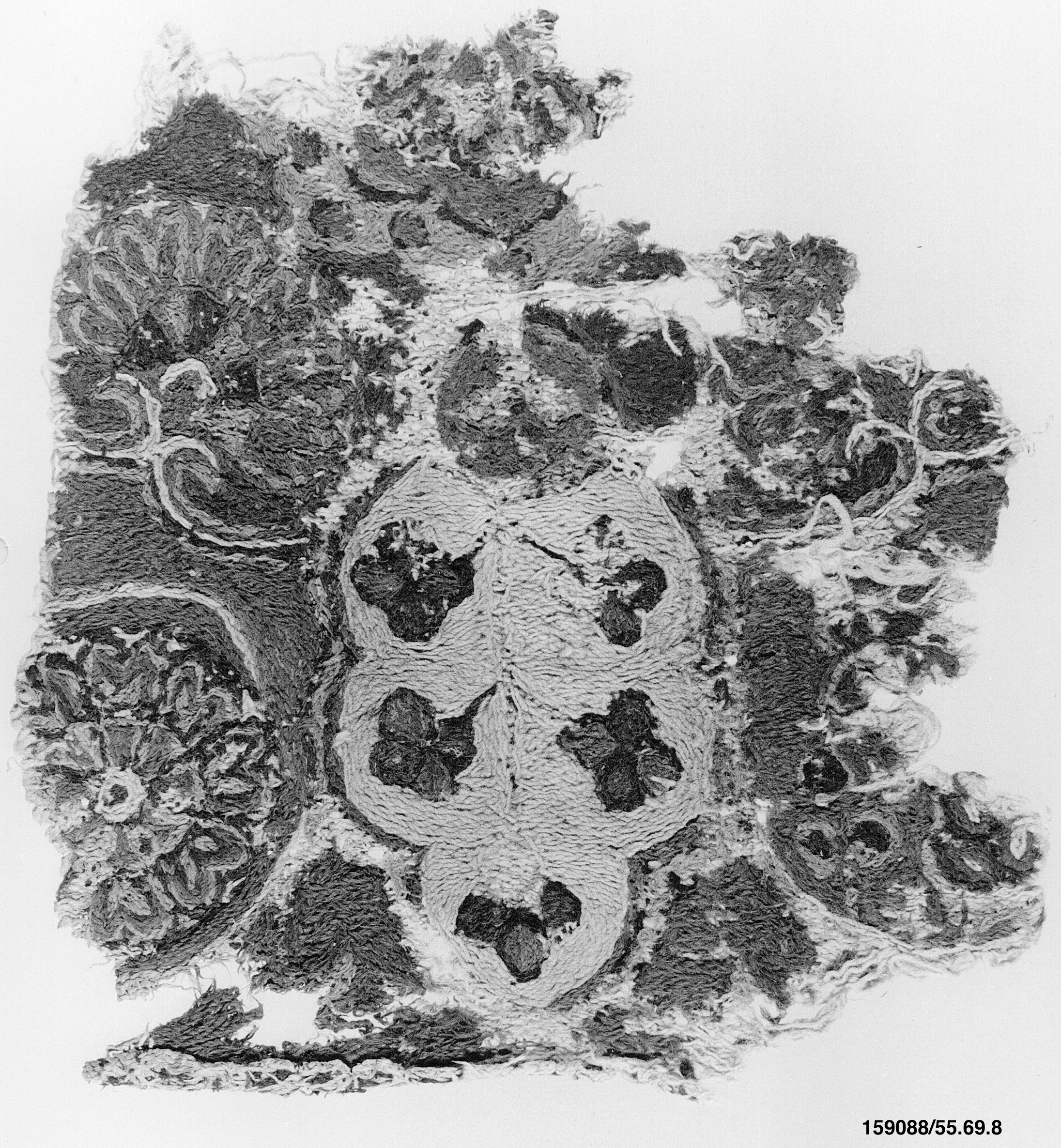
This strategic analysis examines a wool textile fragment, embroidered with precision, originating from an ancient civilization. Within the context of Katherine Fashion Lab’s 2026 luxury roadmap, this artifact is not merely a historical curiosity but a repository of symbolic capital. The fragment’s materiality—wool as a primary fiber—and its intricate embroidery serve as a dual testament to human ingenuity and cosmological belief. For a high-end maison, the fragment offers a blueprint for transcending transient trends, grounding future collections in a narrative of permanence, protection, and power.
Symbolic Power and Material Semiotics
The choice of wool as the foundational medium is laden with symbolic weight. In ancient societies, wool was rarely a neutral commodity; it was a charged substance associated with pastoral wealth, seasonal cycles, and the animal world’s vital force. The fiber’s natural crimp and thermal properties were often metaphorically linked to the earth’s fertility and the protective warmth of a mother or deity. For Katherine Fashion Lab, this suggests a strategic pivot toward tactile authenticity. In 2026, when synthetic alternatives dominate mass production, the deliberate use of virgin wool signals a return to primal luxury—a material that breathes, ages, and carries the memory of its origin.
The embroidery, executed with deliberate thread density, elevates the fragment from utilitarian cloth to a hieroglyph of status. Each stitch is a micro-act of sovereignty, likely reserved for priestly vestments or aristocratic regalia. The visual repetition of motifs—whether geometric, zoomorphic, or astral—functioned as a protective barrier, warding off malevolent spirits and ensuring cosmic order. This is critical for luxury strategy: the fragment proves that ornamentation is not decoration but declaration. A 2026 Katherine Fashion Lab collection can translate this by using embroidery not as a trend overlay, but as a narrative signature, where each motif is a cipher for the wearer’s inner authority.
Historical Adornment: The Body as a Sacred Archive
In its original context, this fragment would have been draped, pinned, or wrapped against the skin, transforming the human body into a mobile altar. The placement of the embroidery—likely along hems, necklines, or shoulder seams—indicates a strategic mapping of vulnerable anatomical zones. Ancient cultures understood adornment as a form of psychic armor. The chest, for instance, was not merely a physical cavity but the seat of the soul; embroidery there was a defensive sigil. The wrists and ankles, points of pulse and motion, were reinforced with dense stitching to regulate the flow of life force.
This historical function offers a potent counter-narrative to contemporary fast fashion’s disposability. For the luxury segment, the fragment argues for a return to ritual dressing. Katherine Fashion Lab can position its 2026 haute line as an instrument of personal consecration. By studying the fragment’s original drape and stitch density, the Lab can engineer garments that are not simply worn but activated. The weight of the wool and the tension of the embroidery create a somatic feedback loop, reminding the wearer of their own presence. This is the ultimate luxury: clothing that demands mindfulness.
Spiritual Meaning and Transcendental Weaving
The spiritual dimension of this fragment cannot be overstated. The act of embroidery itself was often a meditative, quasi-sacred practice, performed by designated artisans who were believed to channel divine patterns. The thread was not just dyed; it was consecrated. The colors—likely derived from madder root, indigo, or ochre—held chromatic symbolism: red for lifeblood and courage, blue for the heavens and wisdom, and gold for solar immortality. The fragment’s palette, even in its faded state, retains this chromatic liturgy.
For the 2026 strategy, this translates into a rigorous color philosophy. Katherine Fashion Lab should avoid arbitrary seasonal palettes. Instead, the Lab can develop a “spiritual color index” based on the fragment’s dyes, using them to signal specific energetic states. A deep crimson evening gown would not just be red; it would be a declaration of vitality. An indigo outerwear piece would be an invocation of clarity. This elevates the purchase from a commodity transaction to a talismanic acquisition. Furthermore, the fragment’s repetitive stitch patterns—often mirroring cosmic spirals or fertility grids—suggest that mathematical order was a form of prayer. The Lab’s 2026 atelier can adopt this principle by employing algorithmic embroidery techniques that echo ancient ratios, creating a bridge between ancestral wisdom and modern computational design.
Strategic Application for 2026 High-End Luxury
Integrating this heritage analysis into a commercial framework requires a shift from appropriation to reverence. The fragment is not a costume to be copied but a principle to be distilled. The following pillars form the basis of Katherine Fashion Lab’s 2026 luxury strategy:
Pillar One: The “Relic” Supply Chain
Provenance will be the ultimate status marker. The Lab should partner with ethical highland wool cooperatives, tracing each fleece to a specific micro-region. This mirrors the fragment’s origin, where the flock’s geography dictated the fiber’s quality. Each garment will carry a digital “spiritual passport,” detailing the wool’s journey, the dyer’s craft, and the embroiderer’s lineage. This transforms the product into an heirloom asset, justifying a premium price point of 30-40% above conventional luxury.
Pillar Two: The “Sigil” Embroidery Atelier
Instead of outsourcing embroidery to industrial machines, the Lab will establish a dedicated atelier of master embroiderers, trained in the fragment’s specific stitch vocabulary. Each piece will be limited to a run of 100 units, with the embroidery taking a minimum of 40 hours. This scarcity is not artificial; it is a function of laborious sanctity. The client will receive a certificate of completion, signed by the artisan, reinforcing the transaction as a commission rather than a purchase.
Pillar Three: The “Ritual” Client Experience
The point of sale will be reimagined as a private viewing chamber, where the client is guided through the fragment’s history before the garment is presented. This narrative immersion elevates the emotional resonance, ensuring that the buyer understands they are acquiring a piece of protective power, not just a silhouette. Marketing collateral will avoid overt religious references but will lean into universal archetypes of strength and tranquility, making the spiritual meaning accessible to a global, secular clientele.
Pillar Four: The “Legacy” Circular Program
To honor the fragment’s longevity, the Lab will offer a perpetual repair and re-embroidery service. Clients can return a garment to have a new sigil added for life milestones—a birth, a marriage, a triumph. This creates an ongoing relationship, transforming the garment into a living document of the wearer’s biography. This service-based model ensures brand loyalty and reinforces the anti-disposable ethos of the original artifact.
Conclusion: From Fragment to Future Icon
This wool fragment is a masterclass in the economics of meaning. It demonstrates that value is not intrinsic to material alone but is conferred through symbolic density, labor intensity, and spiritual intentionality. For Katherine Fashion Lab, the 2026 strategy is not about revivalism but about translation—converting ancient protective logic into contemporary sartorial language. By prioritizing wool’s primal resonance, embroidery’s narrative power, and the ritualistic role of adornment, the Lab can position itself as the definitive luxury house for the discerning individual who seeks not just clothing, but a portable legacy. The fragment is a whisper from the past, and the Lab’s response must be a roar of relevance.