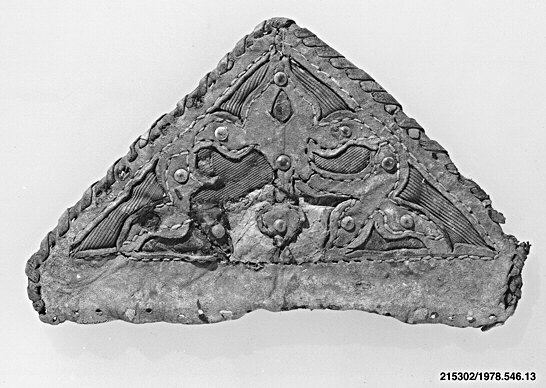
The Flap as Sovereign Architecture: A Heritage Analysis for Katherine Fashion Lab
The flap, in its most elemental form, is a threshold. It is the liminal membrane between exposure and concealment, between the sacred and the profane. For Katherine Fashion Lab, the strategic reclamation of this ancient motif—rendered in leather, silk, paper, cotton, and bronze—offers a profound opportunity to anchor a 2026 luxury narrative in the archaeology of power. This analysis deconstructs the flap’s symbolic genealogy across ancient civilizations, its evolution as an instrument of adornment, and its translation into a high-end commercial strategy that privileges narrative over novelty.
Symbolic Power: The Flap as a Gatekeeper of Sovereignty
In the ancient world, the flap was not a mere functional appendage; it was a deliberate architectural gesture of authority. Consider the Egyptian khat and nemes headdresses, whose lappets—flaps of striped linen—fell symmetrically over the shoulders. These were not decorative. They were designed to channel the divine energy of the pharaoh, framing the face as a living hieroglyph of cosmic order. The flap here functioned as a portable threshold, separating the ruler’s mortal body from the chaotic exterior. Similarly, in Mesopotamian reliefs, the fringed shawl, folded and pinned with a bronze fibula, created a dynamic flap that signaled juridical and martial rank. The fold was a contract; the flap was its seal.
For Katherine Fashion Lab, this symbolism is directly transferable. A flap is not simply a closure; it is a declaration of selective access. In a 2026 luxury context, where privacy is the ultimate commodity, the flap becomes a metaphor for curated intimacy. The client who wears a flap-closed garment or accessory asserts control over their own visibility. This is not modesty; it is sovereignty. The strategic use of bronze—an alloy of transformation and permanence—as a clasp or edge-weighting on a leather flap evokes the ancient weight of judgment, while silk offers the whisper of imperial courts where a single fold could signal favor or disgrace.
Historical Adornment: The Material Grammar of the Fold
Across ancient cultures, the flap’s materiality dictated its social valence. In pre-Columbian Andean societies, the unku—a simple tunic—was often worn with a trapezoidal flap or shoulder panel. Woven from cotton and dyed with plant and mineral pigments, these flaps were not merely protective. They were mnemonic devices, encoding lineage, ecological affiliation, and ritual calendar through geometric patterns. The cotton was not passive; its absorbency and breathability made it a living skin, while the bronze toggles or pins affixed to the flap served as sonic markers—small chimes that announced the wearer’s presence in ceremonial processions.
In ancient China, the shenyi robe featured a distinctive curved flap that wrapped diagonally across the chest, secured with a sash. This was a garment of cosmic alignment, where the flap’s direction mirrored the flow of the Tao. Paper, too, played a role: in funerary contexts, paper flaps—folded into talismanic shapes—were placed over the heart of the deceased, acting as a spiritual passport. The inclusion of paper in Katherine Fashion Lab’s medium palette is therefore not anachronistic. It is a deliberate nod to ephemerality as a luxury. A paper-laminated flap, perhaps within a leather-bound clutch, speaks to the impermanence of trend and the permanence of ritual.
Spiritual Meaning: The Flap as a Veil Between Worlds
The spiritual resonance of the flap cannot be overstated. In ancient Greek mystery cults, the epiblema—a draped flap of wool or linen—was used to cover sacred objects during initiation rites. The act of lifting the flap was synonymous with epiphany: the revelation of the divine. Conversely, lowering the flap was an act of apokalypsis in reverse—a deliberate concealment that heightened anticipation. This duality is the core spiritual architecture of the flap. It is neither purely revealing nor purely hiding; it is the act of transition itself.
For the modern wearer, this translates into a garment or accessory that creates a ritual pause. A bag with a deep leather flap that requires a deliberate lift, a coat with a silk-lined flap that rustles against the body—these are not inconveniences. They are moments of mindfulness. In a 2026 market saturated with magnetic snaps and invisible zippers, the flap’s tactile resistance is a luxury of attention. The bronze element, often cool to the touch, provides a sensory anchor, reminding the wearer of the object’s physical gravity. This is not nostalgia; it is a re-sacralization of daily dress.
2026 High-End Luxury Strategy: The Flap as a Signature System
To translate this heritage into a commercially viable 2026 strategy, Katherine Fashion Lab must treat the flap not as a style, but as a system of value. The following pillars define the approach:
1. The "Threshold" Capsule Collection
Launch a limited-edition line of outerwear and handbags where the flap is the primary narrative device. Each piece will feature a patent pending closure—a bronze-weighted leather flap that aligns magnetically but requires a slight upward pull, mimicking the ancient gesture of lifting a temple veil. The interior of each flap will be lined with a silk panel printed with a micro-fractal pattern derived from Mesopotamian fringed shawls, visible only to the wearer. This creates an inside-out luxury: the public sees the serene exterior; the owner holds the secret.
2. Material Provenance as a Pricing Lever
Use the five mediums (leather, silk, paper, cotton, bronze) not as a random assortment, but as a hierarchical narrative. The entry-level piece uses vegetable-tanned leather and cotton; the mid-tier introduces silk; the high-tier incorporates a hand-hammered bronze clasp and a removable paper talisman—a certificate of authenticity printed on handmade paper infused with the client’s initials. This creates a collectible gradient, encouraging repeat purchase and client engagement. The paper element, treated with a micro-wax finish, is surprisingly durable and reinforces the brand’s commitment to meaningful ephemera.
3. The "Ritual Reveal" Marketing Campaign
Position the flap as an antidote to algorithmic immediacy. The 2026 campaign should be a series of short, cinematic films titled The Threshold. Each film shows a different cultural archetype—a scholar, a guardian, a healer—performing the single, deliberate act of lifting a flap. No dialogue. No product shots beyond the gesture. The tagline: "What you reveal is your inheritance." This strategy aligns with the macroeconomic shift toward quiet luxury and slow fashion, where the consumer is buying time and attention, not just goods.
4. Bespoke "Flap Reliquary" Service
Offer a made-to-order service where clients commission a flap-clad object—a journal, a document case, a ceremonial coat—that incorporates a personal bronze medallion stamped with their family crest or a modern glyph of their choosing. This taps into the ancestral revival trend, where clients seek to build their own heirlooms. The production time (six to eight weeks) is marketed as a period of incubation, during which the artisan and the client co-create the object’s spiritual charge.
Conclusion: The Flap as a Permanent Gesture
The flap is not a trend. It is a primordial technology of the human body—a way of negotiating the world’s gaze. For Katherine Fashion Lab, the strategic deployment of this motif across leather, silk, paper, cotton, and bronze is a masterclass in heritage-driven innovation. By honoring the flap’s ancient role as a gatekeeper of power, a material grammar of status, and a spiritual veil, the brand can offer its clientele more than clothing. It offers a gesture of self-possession. In 2026, as the luxury market pivots toward permanence and intentionality, the flap stands ready—not as a relic, but as a sovereign architecture for the modern body.