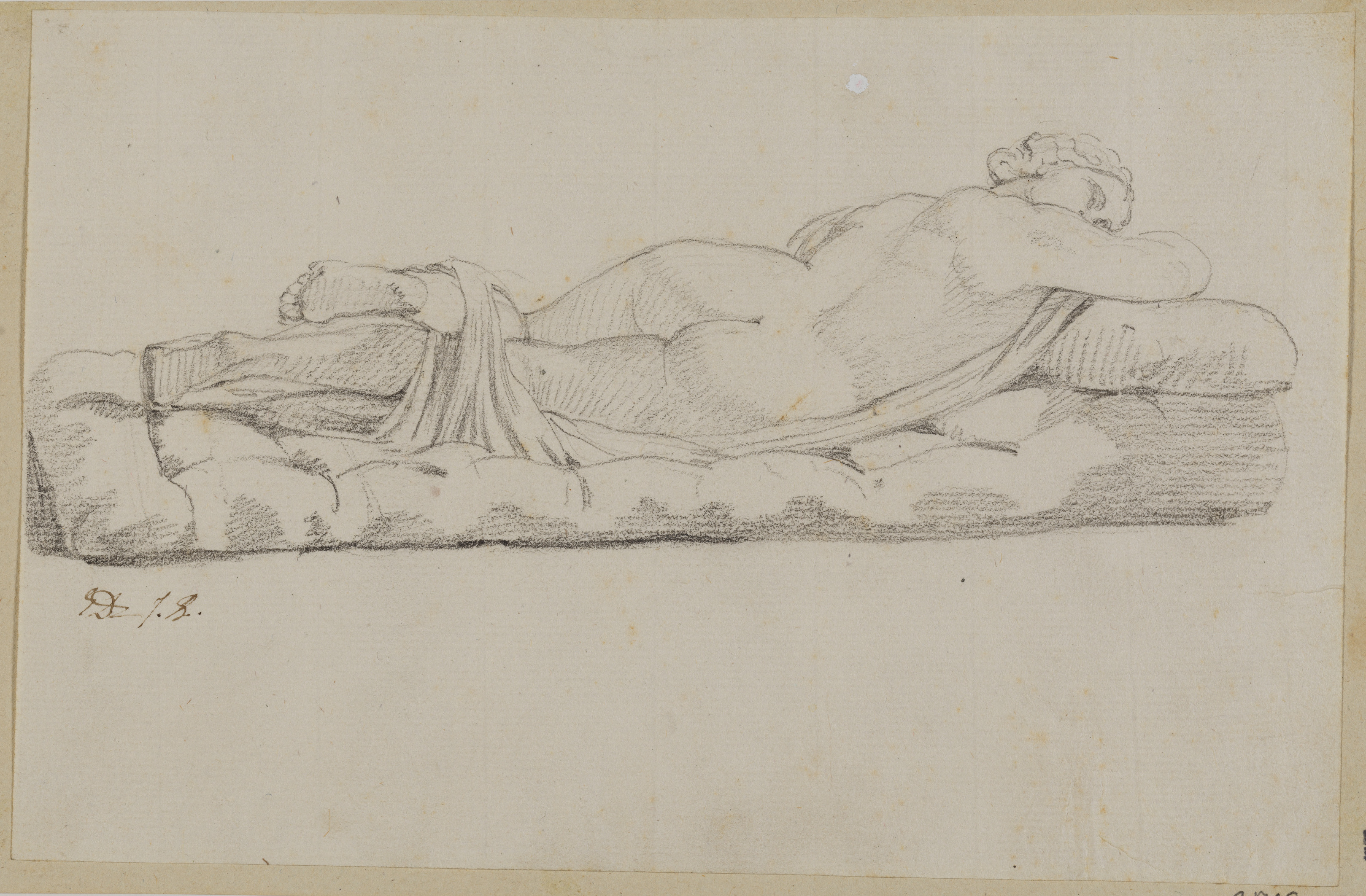
The Hermaphrodite Archetype: A Heritage Analysis for Katherine Fashion Lab
The study of the hermaphrodite in ancient civilization presents a profound opportunity for Katherine Fashion Lab to engage with a symbol of unity, transcendence, and divine completeness. This analysis moves beyond the simplistic biological interpretation to position the hermaphrodite as a potent cultural archetype—one that embodies the synthesis of dualities, a theme that resonates deeply with the contemporary luxury consumer's search for holistic identity. As a strategic standalone research initiative, this paper examines the symbolic power, historical adornment, and spiritual meaning of this figure, culminating in a cohesive 2026 high-end luxury strategy that leverages this ancient wisdom for modern relevance.
Symbolic Power: The Conjunction of Opposites
In the lexicon of ancient symbolism, the hermaphrodite functions as a master signifier of coniunctio oppositorum—the mystical marriage of opposites. This is not a symbol of confusion or ambiguity, but rather of supreme order and balance. In Greek and Roman antiquity, the figure of Hermaphroditus, child of Hermes and Aphrodite, was not a grotesque anomaly but a representation of the fusion of masculine intellect (Hermes) and feminine beauty (Aphrodite). This union was perceived as a return to a primordial state of wholeness, a state preceding the division of the cosmos into binary categories. For the ancient alchemists and mystery cults, this figure represented the Rebis, the "thing of two," signifying the successful completion of the Great Work—the perfection of the soul. For Katherine Fashion Lab, this translates into a strategic narrative of integration over division. The brand can position itself as a purveyor of garments that do not merely clothe the body but reconcile the internal contradictions of the wearer, offering a sartorial pathway to self-actualization and inner harmony. This is a powerful departure from the industry's often superficial focus on external transformation.
Historical Adornment: Vestments of Androgyny
The material culture surrounding hermaphroditic deities and figures offers a rich lexicon for adornment. Ancient depictions, often rendered in sculpture and relief, frequently portray the figure with a distinct hybridity in dress. They are seen wearing garments that blur the lines of gendered attire—flowing chitons that suggest both the masculine himation and the feminine peplos, often cinched at the waist to emphasize an androgynous silhouette. The use of specific materials was also significant; the incorporation of cinnabar for skin tones and lapis lazuli for adornment in some Near Eastern traditions highlighted the figure's otherworldly status. Jewelry played a crucial role, with amulets featuring the hermaphrodite worn to invoke fertility and protection from the evil eye, as the union of sexes was believed to possess apotropaic powers. For the modern luxury house, this suggests a design language that eschews rigid tailoring in favor of fluid constructions. The strategy involves utilizing fabrics that drape with a liquid, androgynous quality—heavy silks, unstructured wools, and metallic threads that catch light like ancient gold. Accessories would draw from this history, featuring unisex pieces that are architectural yet soft, echoing the dual nature of the subject—hard gemstones set in malleable, sculptural metals.
Spiritual Meaning: The Divine Androgyne
Spiritually, the hermaphrodite holds a sacerdotal position. In various ancient cosmogonies, the creator deity is often described as androgynous. Plato's Symposium recounts the myth of the original humans being spherical and androgynous, later split by Zeus, making the hermaphrodite a symbol of the soul's quest to reunite with its other half. This is not a physical longing but a spiritual one—a yearning for the lost unity of being. In the cult of Cybele, the galli, her eunuch priests, adopted female dress and mannerisms, not as a statement of gender identity as understood today, but as a radical act of devotion, symbolizing their transcendence of worldly concerns to merge with the goddess. This spiritual dimension offers Katherine Fashion Lab a profound brand ethos. The 2026 luxury consumer is increasingly seeking meaning, not just product. By aligning with the hermaphrodite archetype, the brand offers more than clothing; it offers a philosophy of transcendence. The spiritual narrative is one of liberation from societal constructs, appealing to a demographic that values authenticity and inner truth over external validation. The garment becomes a tool for spiritual alignment, a modern-day talisman that empowers the wearer to embody their complete, multi-faceted self.
2026 High-End Luxury Strategy: The "Unity" Collection
For the 2026 season, Katherine Fashion Lab will translate these ancient insights into a high-end strategy under the working title, "The Unity Collection." This is not a trend-based offering but a foundational brand statement. The strategy is predicated on three pillars: Fluid Architecture, Ritualistic Materials, and Narrative Exclusivity.
- Fluid Architecture: The collection will feature designs that deconstruct traditional tailoring. Jackets will be cut to drape like capes; trousers will be reimagined as wide, skirt-like culottes. The focus is on the line of the body in motion, not its static form. This challenges the binary of menswear and womenswear, creating a unisex line that is inherently luxurious in its simplicity and technical execution.
- Ritualistic Materials: Drawing from the ancient use of sacred materials, the collection will incorporate innovative textiles. We will use a proprietary blend of metallic-infused silk to mimic the shimmer of cinnabar and gold leaf, and develop a new "Lapis" jersey, a deep blue fabric with a subtle, stone-like texture. These materials are not just visual; they are designed to be tactile and sensory, connecting the wearer to a tangible history.
- Narrative Exclusivity: To elevate the collection beyond the commercial, each garment will be accompanied by a "Codex Card," a physical document detailing the specific ancient myth and symbol associated with the piece's design. The offering will be strictly limited to 500 numbered pieces globally, with a private presentation in a space that evokes the quietude of a temple gallery, rather than a traditional showroom.
This strategy positions Katherine Fashion Lab not merely as a fashion house, but as a cultural custodian. By reinterpreting the hermaphrodite, we are not referencing a historical oddity but activating a timeless symbol of completion. The 2026 luxury client is not buying a dress or a suit; they are acquiring a piece of philosophical heritage, a wearable argument for the beauty of holistic existence. This is the ultimate luxury—the power to be wholly oneself.