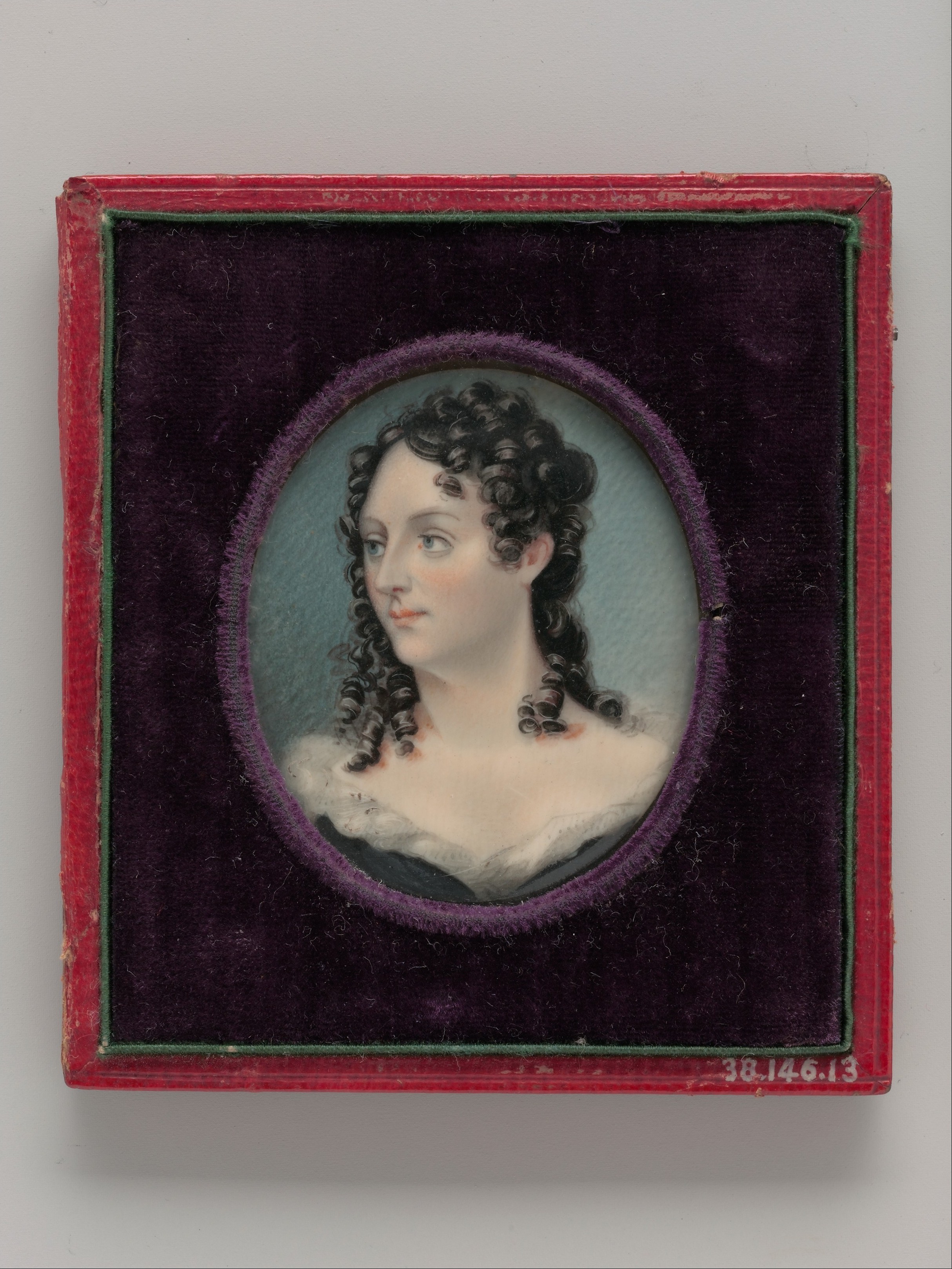
Heritage Analysis: Mrs. George Catlin (Clara Bartlet Gregory) as a Proto-Luxury Archetype
This strategic standalone research paper, prepared for Katherine Fashion Lab, examines the 1830s watercolor on ivory portrait of Clara Bartlet Gregory, later Mrs. George Catlin, as a foundational artifact of American aspirational identity. Moving beyond mere aesthetic appreciation, this analysis decodes the subject’s adornment as a complex system of symbolic power, spiritual meaning, and social performance. For a forward-looking luxury entity like Katherine Fashion Lab, this portrait is not a relic but a resonant blueprint. It provides a critical framework for a 2026 high-end strategy predicated on narrative depth, intellectual adornment, and the curation of a distinctive, rooted American luxury sensibility that speaks to a post-conspicuous consumption market.
Decoding Adornment: The Semiotics of Silk, Coral, and Ivory
The medium and the subject’s presentation are intrinsically linked, forming a cohesive statement of cultivated refinement. The use of watercolor on ivory is itself a significant luxury code of the early 19th century. Ivory, a precious organic substrate, signifies purity, permanence, and a direct connection to natural rarity. The delicate, translucent application of watercolor mirrors the desired feminine ideal: appearing effortless, ethereal, and born of inherent grace rather than laborious construction. Clara’s attire—a gown of rich, deep blue silk with gigot sleeves—communicates wealth and awareness of European (specifically French) fashion currents. The silk’s luminosity, captured by the watercolor technique, speaks to material prosperity.
However, the true focus of symbolic power rests on her adornment. The coral necklace is the portrait’s central talisman. In the 1830s, coral was not merely decorative; it carried profound apotropaic and spiritual meaning. Believed to ward off evil, protect health, and signify life force, its vibrant red-orange hue against the blue silk creates a deliberate, powerful contrast. It symbolizes vitality, protection, and a tether to the natural world’s mysterious energies. This aligns with the period’s Romantic sensibility, which valued emotional depth and a connection to the sublime. Furthermore, the necklace’s simplicity and organic form against the refined silk establish a key luxury dialectic: the negotiation between untamed nature and human cultivation, between raw amulet and polished jewel. Her hair, styled in the fashionable Apollo knot yet adorned with what appear to be naturalistic blooms, reinforces this synthesis.
The Spiritual Armature of the Domestic Sphere
Clara Gregory’s portrait exists within a specific historical context where a woman’s power was largely circumscribed within the domestic and social sphere. Her symbolic power is thus not one of overt authority but of influential essence. She represents the "Republican Mother" ideal, wherein the moral and spiritual foundation of the new nation was cultivated in the home by women of her station. Her adornment, therefore, becomes a spiritual armature. The coral is both a personal talisman and a symbol of her role as a protector of the family’s moral and physical well-being. Her direct, calm gaze and composed demeanor project an inner certainty and virtue—the ultimate accessories of her era.
This portrait is an exercise in curated identity. It presents Clara not as she might appear in daily life, but as an archetype: the cultivated, protected, yet spiritually anchored American woman. Every element, from the medium to the necklace to the drape of the silk, is meticulously chosen to construct this narrative. For Katherine Fashion Lab, this underscores a vital principle: luxury is never just about the object; it is about the meticulously crafted narrative the object enables the wearer to embody.
Strategic Imperatives for a 2026 Luxury Landscape
By 2026, the luxury market will be dominated by consumers seeking authenticity, intellectual resonance, and sustainable value over blatant logo-driven status. The analysis of Mrs. Catlin’s portrait yields four strategic pillars for Katherine Fashion Lab’s high-end strategy.
1. Narrative Materiality: Emulate the portrait’s depth by sourcing and showcasing materials with inherent stories and symbolic weight. Partner with artisans working with historically significant materials (e.g., American freshwater pearls, sustainably sourced dyes, revived heirloom textiles). Each piece should be accompanied by a "material provenance" narrative, akin to the coral’s story of protection and vitality.
2. The New Talismanic: Revive the concept of adornment as spiritual armature. Develop collections around modern "talismans"—pieces intended for their personal meaning, protective symbolism, or alignment with wellness and intention. This moves jewelry beyond trend into the realm of personal significance, directly mirroring the coral necklace’s function.
3. Curated Archetypes, Not Trends: Instead of chasing seasonal trends, define and design for contemporary archetypes inspired by this heritage analysis—e.g., "The Cultivator" (rooted, natural, protective), "The Transcendent" (ethereal, intellectual, pure). The 1830s portrait is a fixed archetype; modern strategy involves creating adaptable, nuanced versions for today’s multifaceted woman.
4. The American Luxury Codex: Distance the brand from European heritage tropes and consciously build a distinct American luxury language. This portrait exemplifies an early moment of American luxury: not about aristocratic lineage, but about self-creation, a dialogue with nature, moral substance, and understated confidence. Katherine Fashion Lab’s 2026 strategy should codify this into a visible aesthetic and philosophical platform—"Quiet Power, Rooted Spirit."
Conclusion: From Portrait to Platform
The watercolor on ivory of Clara Bartlet Gregory is a masterclass in pre-industrial luxury coding. It demonstrates how adornment operates as a complex language of social positioning, spiritual belief, and personal identity. For Katherine Fashion Lab, this analysis provides more than historical context; it offers a strategic compass. The 2026 high-end consumer will invest in brands that offer coherent worlds, intellectual stimulation, and authentic connection. By interpreting the symbolic power, historical adornment, and spiritual meaning within this portrait, Katherine Fashion Lab can architect a luxury strategy that is both timeless and urgently contemporary. The goal is not to replicate the past, but to emulate its principles: to create pieces that are not merely worn, but inhabited—as modern talismans for a new era of considered, meaningful luxury.