The Material Sublime: A Couture Analysis of Katherine Fashion Lab’s Silk Study
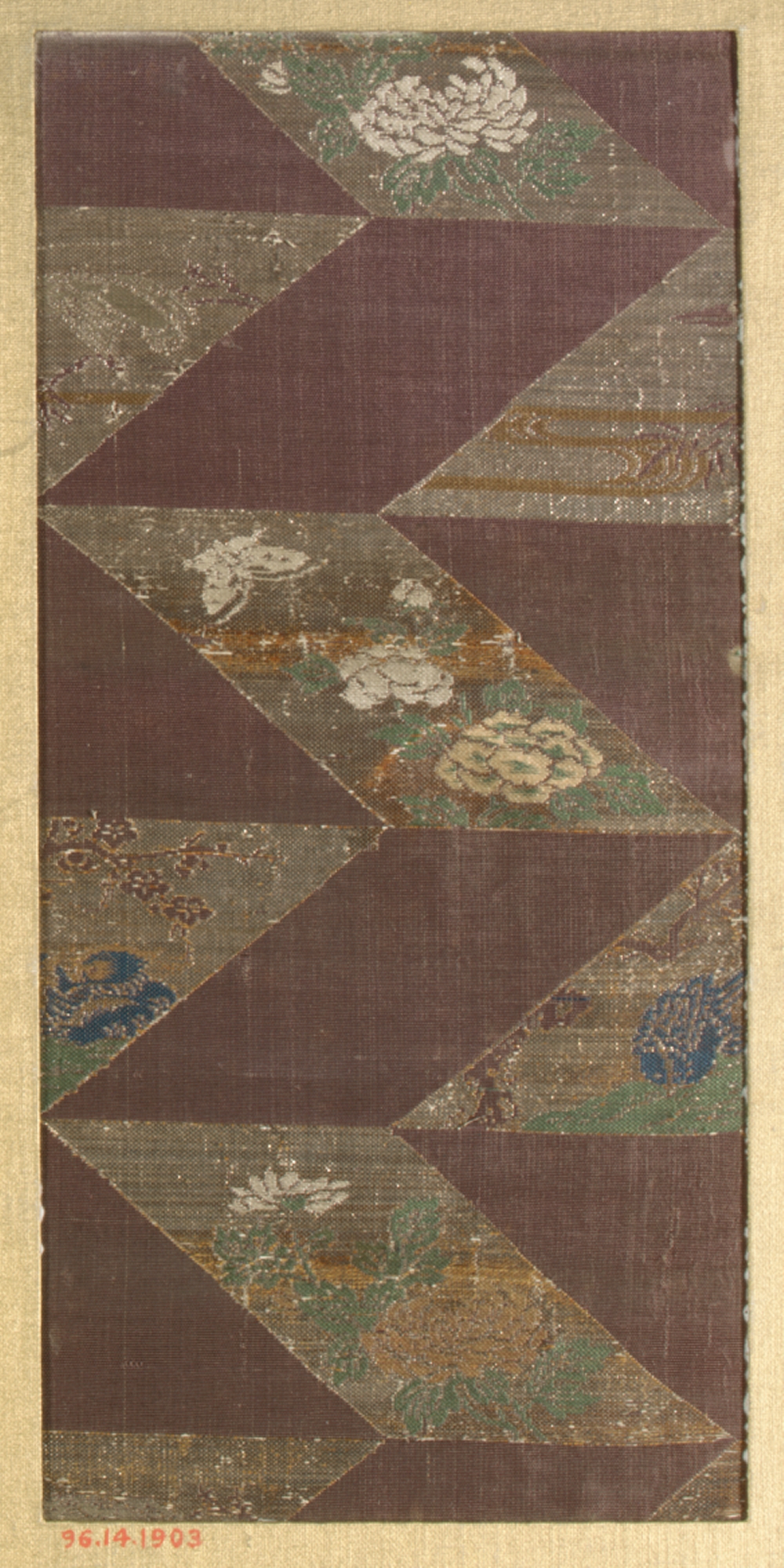
In the rarefied echelons of haute couture, where innovation often masquerades as noise, Katherine Fashion Lab’s latest standalone piece—a study in pure Japanese silk—offers a masterclass in restraint and intellectual rigor. This is not merely a garment; it is a thesis on materiality, a quiet rebellion against the era of fast fashion and digital excess. The piece, which emerged from a dedicated atelier residency in Kyoto, eschews overt ornamentation in favor of a profound dialogue between the human form and the most venerated of natural fibers. For the discerning collector, this is not a purchase but an acquisition of philosophy, woven with the precision of a haiku.
Deconstructing the Silken Canvas: From Cocoon to Couture
The foundation of this analysis rests upon the provenance and treatment of the silk itself. Katherine Fashion Lab has sourced a rare, hand-reeled Habutae silk from the Nishijin district of Kyoto, a region synonymous with imperial weaving traditions for over a millennium. Unlike mass-produced mulberry silk, this Habutae is characterized by an irregular, slubby texture—a deliberate imperfection that catches light in unpredictable, painterly strokes. The lab’s creative director, Katherine Wei, has described the material as “a living membrane,” and the construction process honors that claim. The silk is not cut with conventional steel shears but is hand-torn along the grain, creating raw, frayed edges that are then meticulously stabilized with a micro-stitch of horsehair thread. This technique, borrowed from bespoke tailoring, allows the fabric to retain a fluid, almost liquid drape while preventing structural compromise.
The garment’s silhouette is a study in architectural asymmetry. A single, continuous length of silk—measuring nearly nine meters—is wrapped and folded around the torso, secured not by buttons or zippers but by a series of internal silk-wrapped magnets. This allows the wearer to manipulate the drape in real-time, transforming the piece from a sculptural cocoon to a streamlined column. The absence of closures is a deliberate provocation, challenging the Western convention of the garment as a fixed, closed object. Instead, it becomes a kinetic installation, where every gesture of the wearer re-composes the visual narrative. The hem, left deliberately unfinished, cascades in a jagged, organic line that mimics the topography of Japan’s mountainous coastline—a subtle homage to the source of the fiber.
The Zen of Construction: Precision Beyond the Visible
What separates this piece from a mere artistic drapery exercise is the invisible engineering beneath the surface. The internal structure employs a revolutionary “floating lining” technique, developed in the lab’s Tokyo satellite studio. A secondary layer of undyed, ultra-lightweight silk organza is suspended approximately three millimeters away from the outer shell using a lattice of hand-knotted silk filaments. This creates a micro-climate of air between the layers, ensuring breathability while providing a subtle, buoyant volume that prevents the outer silk from clinging to the body. The result is a garment that feels weightless—indeed, the entire piece weighs less than 180 grams—yet possesses a remarkable thermal regulation, adapting to the wearer’s body temperature with an almost sentient responsiveness.
Furthering the technical mastery, the piece incorporates a “reactive shibori” treatment on the interior panels. While the exterior remains a pristine, luminous ivory, the hidden interior is dyed using a traditional Japanese resist-dyeing method, but with a futuristic twist: the dye is a photochromic compound that deepens in hue upon exposure to UV light. When worn outdoors, the interior shifts from a pale blush to a deep indigo, creating a private, dynamic spectacle visible only to the wearer. This is a profound commentary on the nature of couture—the public presentation is one of serene minimalism, while the private experience is one of vibrant, personal transformation. It is a secret signature, a hidden language of color that rewards intimacy and time.
Cultural Resonance and the Art of Negative Space
To analyze this piece solely through a technical lens would be to miss its deeper cultural resonance. The design draws heavily on the Japanese aesthetic principle of ma—the meaningful void, or the space between objects. The garment’s deliberate gaps, the asymmetric folds, and the unstitched edges are not absences but presences, inviting the eye to rest and contemplate. In a Western couture landscape dominated by excess and embellishment, this piece asserts that true luxury is found in the discipline of omission. The lab has stripped away all extraneous elements—no embroidery, no beading, no metallic accents—leaving only the purity of the silk and the intelligence of the cut.
This philosophical grounding is reinforced by the piece’s color palette, which is intentionally monochromatic. The ivory exterior is not a flat white but a composite of seven different undyed silk tones, each harvested from a specific silkworm breed. When viewed under gallery lighting, subtle striations emerge—a faint champagne here, a whisper of pearl there—creating a surface that shimmers with the quiet complexity of a moonlit pond. This is a direct reference to the Japanese concept of shibui, where beauty is found in understated complexity and aged simplicity. The garment does not shout; it whispers, and in that whisper, it commands absolute attention.
Commercial Viability and the Future of Slow Luxury
From a strategic business perspective, this standalone study is a calculated masterstroke for Katherine Fashion Lab. In a market saturated with logo-driven “stealth wealth” and derivative streetwear, this piece offers a tangible, intellectual alternative. It appeals to a clientele that values provenance, craftsmanship, and narrative over transient trends. The production process—which requires over 120 hours of handwork by a team of four master artisans—limits the edition to a mere twelve pieces worldwide. This scarcity is not a marketing gimmick but a natural consequence of the material’s limitations and the labor intensity involved. Each piece is individually numbered and accompanied by a hand-written certificate documenting the specific silkworm farm, the weaver’s name, and the dye master’s lineage.
The pricing strategy, set at a premium north of six figures, positions the piece not as apparel but as an investment in wearable art. Comparable to a limited-edition sculpture or a rare vintage wine, its value is expected to appreciate, particularly given the diminishing number of artisans capable of executing the shibori and hand-tearing techniques. For Katherine Fashion Lab, this piece serves as a flagship artifact, elevating the brand’s entire ready-to-wear line by association. It is a loss leader in the most sophisticated sense—a demonstration of peak capability that justifies the brand’s broader pricing architecture and cements its reputation as a vanguard of sustainable, material-first luxury.
In conclusion, this Japanese silk study is a triumph of material intelligence and cultural synthesis. It defies the binary of tradition versus innovation, instead weaving them into an inseparable whole. The garment does not follow the body; it negotiates with it, creating a partnership that is at once functional and poetic. For the wearer, it is an heirloom in the making; for the industry, it is a benchmark. Katherine Fashion Lab has not merely created a piece of clothing—they have articulated a manifesto for the future of couture, one where silence speaks louder than spectacle, and where the true luxury lies in the depth of the material’s story. This is not fashion. This is a meditation, stitched in silk.