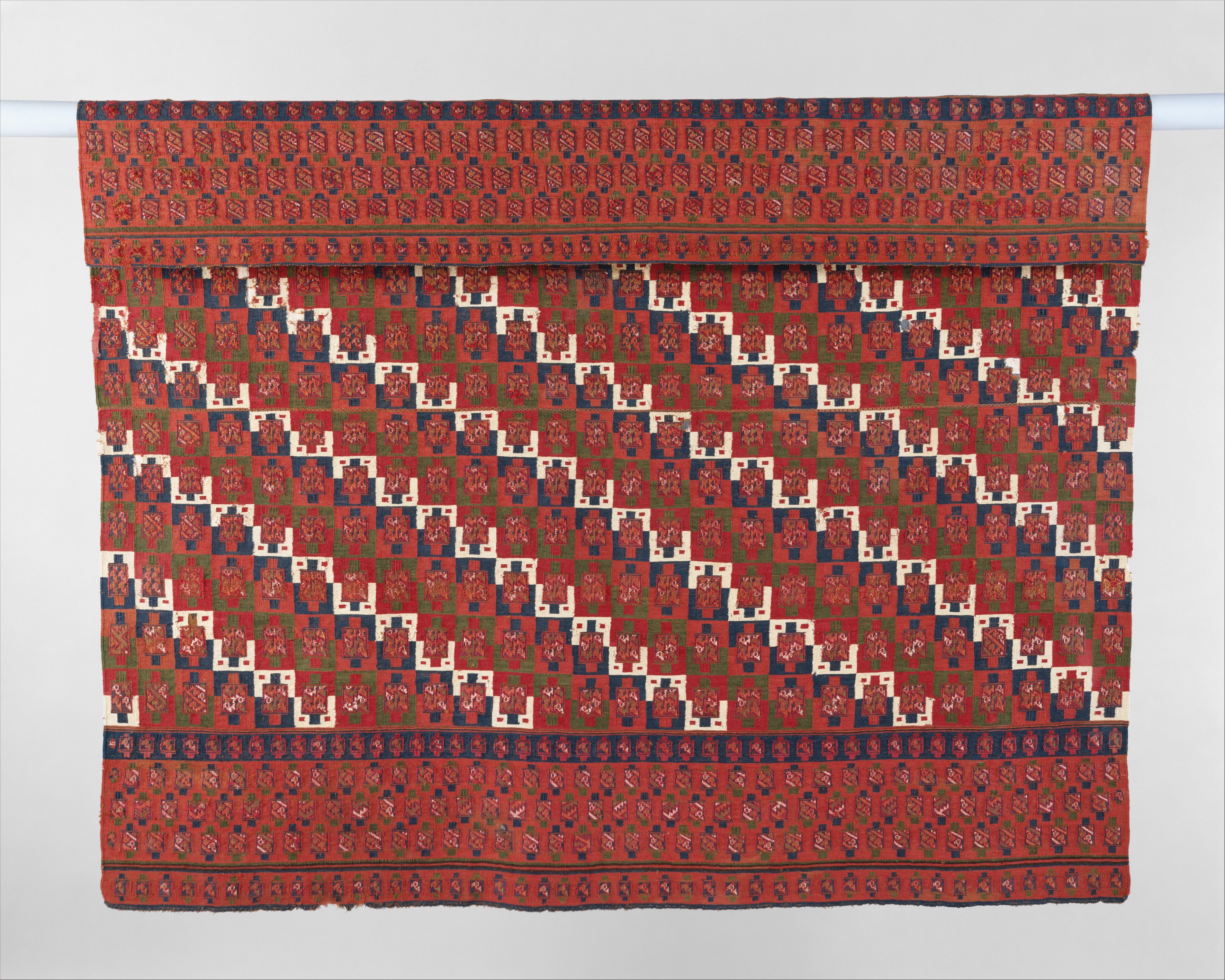
Heritage Analysis: The Chuquibamba Woman's Dress as a Pillar of Luxury Brand Strategy
The Chuquibamba woman’s dress, rendered in camelid hair, represents one of the most sophisticated expressions of pre-Columbian Andean textile artistry. For Katherine Fashion Lab, this garment is not merely a historical artifact; it is a strategic repository of symbolic power, historical adornment, and spiritual meaning. As we position our 2026 luxury collection, this analysis decodes the dress’s layered significance and translates it into a high-end commercial narrative that honors its origins while commanding contemporary relevance.
Symbolic Power: Weaving Social Hierarchy and Identity
In Chuquibamba culture, located in the southern highlands of Peru, the woman’s dress was a primary vehicle for communicating social standing, ethnic affiliation, and cosmological alignment. The use of camelid hair—specifically from alpaca and vicuña—was not accidental. These fibers were considered sacred, reserved for elite women and ceremonial occasions. The density, luster, and natural color palette of the fiber immediately signaled the wearer’s access to high-altitude herds and, by extension, her family’s economic and political capital.
The dress’s structural design, typically a rectangular tunic or anacu, was woven on a backstrap loom with a warp-faced technique that produced a remarkably tight, durable fabric. Yet, its power lay in the symbolic geometry of its pattern bands. Diagonal stepped motifs, known as qocha (water terraces), represented agricultural fertility and the cyclical nature of life. Zigzag lines evoked lightning, associated with the thunder deity Illapa, while small diamond shapes signified the four cardinal directions and the Andean concept of tawantinsuyu—the four-part universe. For Katherine Fashion Lab, these motifs offer a lexicon of authority that can be abstracted into modern silhouettes, allowing the wearer to embody a narrative of ancestral command rather than mere aesthetic appeal.
Historical Adornment: The Dress as a Living Archive
From a historical perspective, the Chuquibamba dress is a testament to the region’s role as a cultural crossroads between the Inca Empire and the coastal Wari traditions. Unlike the more geometrically rigid Inca imperial tunics, Chuquibamba textiles exhibit a remarkable fluidity in their color transitions and motif placement, suggesting a local aesthetic that prized organic movement. This is particularly evident in the use of ikat-like resist dyeing on some warp threads, a technique that predates the Inca and demonstrates sophisticated chemical knowledge of natural dyes derived from cochineal, indigo, and local mollusks.
The dress’s construction also reveals a deep understanding of ergonomic adornment. The fabric’s natural breathability, combined with its high thermal insulation, made it a functional garment for the harsh Andean climate. However, the historical record shows that these dresses were often layered with a second, finer tunic over the shoulders, creating a visual rhythm of texture and color that was both practical and ceremonial. For modern luxury, this translates into a layering strategy—offering a “heritage shell” that can be worn over contemporary knitwear, thereby creating a bridge between ancestral function and modern high-fashion utility.
Spiritual Meaning: The Garment as a Protective Amulet
Beyond its physical form, the Chuquibamba dress was believed to possess an animistic essence. In Andean cosmology, textiles were not woven; they were “born.” The weaver’s breath, prayers, and even the blood from her fingers pricked by the spindle were believed to infuse the garment with camaquen—a life force that protected the wearer from harm, illness, and malevolent spirits. The camelid fiber itself was considered a conduit to the apus (mountain deities), as the animals grazed in their sacred high-altitude domains.
The dress’s hem often featured a continuous red or dark blue band, a deliberate protective border that “sealed” the wearer’s energy and prevented soul loss. This is a critical element for luxury brand storytelling: the dress is not merely an object of beauty but a talismanic investment. In 2026, as consumers increasingly seek garments with emotional and spiritual resonance, Katherine Fashion Lab can position this dress as a “wearable shield,” using the red band motif as a signature detail in cuffs, collars, and interior linings. This transforms a historical superstition into a modern value proposition—offering protection, grounding, and a sense of sacred continuity.
Strategic Translation for 2026 High-End Luxury
For the 2026 collection, Katherine Fashion Lab will deploy a three-tier strategy based on this heritage analysis: Authentic Reproduction, Abstracted Heritage, and Narrative Accessories.
Tier One: Authentic Reproduction
This tier offers a limited run of 50 dresses, handwoven in Peru by master Quechua artisans using 100% baby alpaca and vicuña blends. Each dress will be certified with a provenance card detailing the specific village, weaver, and the symbolic meaning of its motifs. The price point will reflect the 400+ hours of labor, positioning it as a museum-grade wearable investment. This tier serves as the brand’s credibility anchor, demonstrating a genuine commitment to cultural preservation and ethical sourcing.
Tier Two: Abstracted Heritage
This commercial tier translates the dress’s symbolic geometry into contemporary silhouettes—capes, tailored coats, and sheath dresses—using a muted palette of camel, charcoal, and deep indigo. The motif system is deconstructed into jacquard patterns and laser-cut leather appliqués, maintaining the visual rhythm without literal replication. The key innovation is the “Protective Hem” feature: a hidden band of red silk organza inside the garment’s hem, a subtle nod to the original’s spiritual sealing function. This tier targets the modern luxury consumer who desires cultural depth without costume-like theatricality.
Tier Three: Narrative Accessories
To democratize the heritage narrative, Katherine Fashion Lab will launch a capsule of accessories—scarves, gloves, and handbags—featuring the qocha step motif in high-relief embroidery. Each piece includes a QR code linking to a short film about Chuquibamba’s weaving traditions, thereby educating the consumer and deepening brand loyalty. This tier serves as an entry point for younger, culturally curious clients who may later graduate to Tier One or Two.
Conclusion: Heritage as a Competitive Moat
The Chuquibamba woman’s dress is not a nostalgic relic; it is a strategic asset that differentiates Katherine Fashion Lab in a saturated luxury market. By decoding its symbolic power, honoring its historical construction, and amplifying its spiritual resonance, we can create a collection that offers more than clothing—it offers a transferable legacy. In 2026, the luxury consumer will not ask, “What is this?” but rather, “What does this allow me to become?” The Chuquibamba dress, in its original form, allowed a woman to embody divine order, social authority, and protective grace. Our task is to ensure that Katherine Fashion Lab’s interpretation grants that same transformative power to the modern wearer, thereby securing our position as a leader in culturally intelligent luxury.