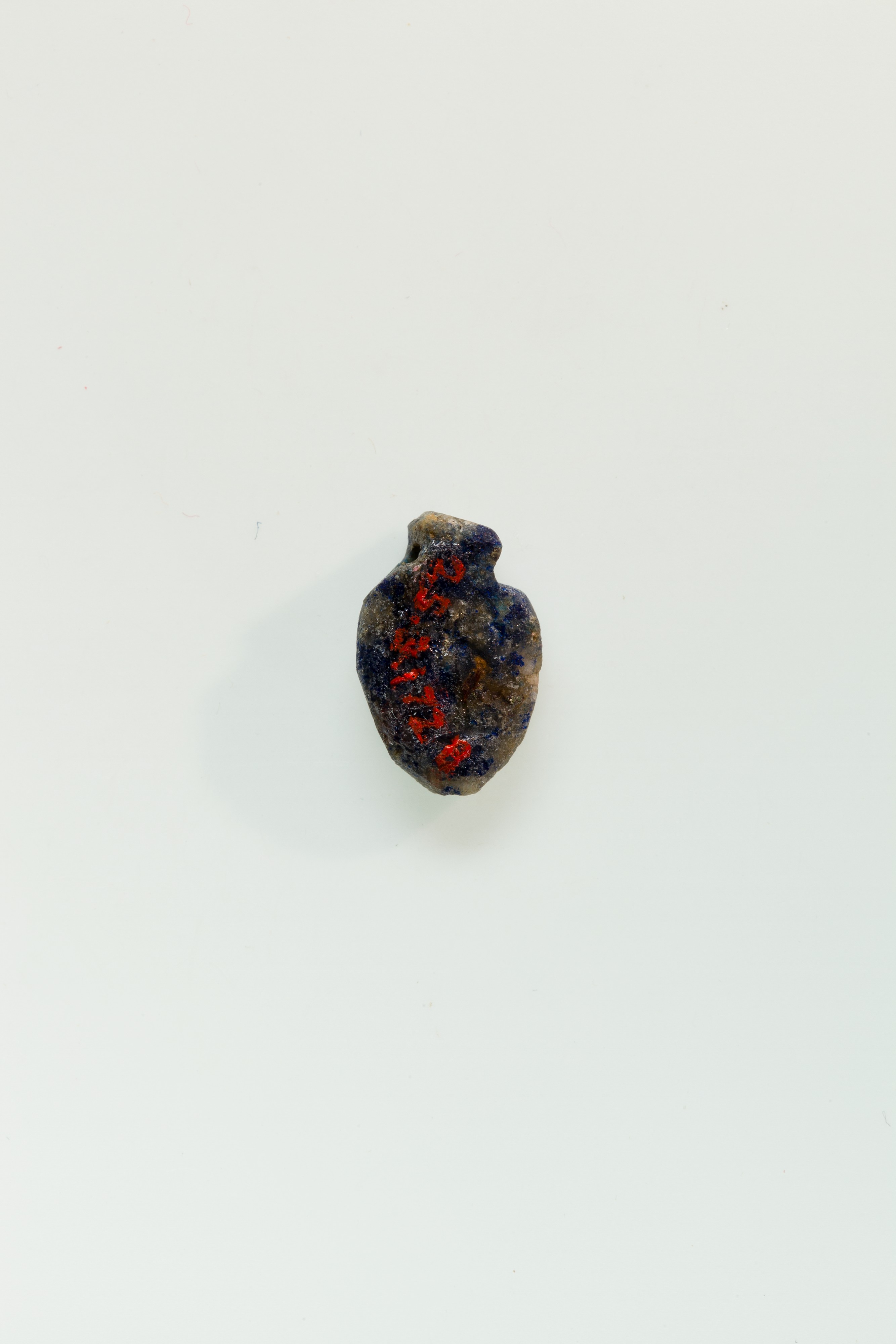
The Heart Amulet: A Heritage Analysis of Symbolic Power and Luxury Positioning
For Katherine Fashion Lab, the heart amulet in lapis lazuli represents more than a mere decorative artifact; it is a strategic convergence of ancient spiritual authority and contemporary luxury desire. This standalone research paper examines the amulet’s symbolic power, its historical role in adornment, its spiritual resonance, and translates these findings into a 2026 high-end luxury strategy. The analysis positions the heart amulet not as a relic, but as a living asset—one that can anchor a collection in timelessness, emotional depth, and cultural gravitas.
Symbolic Power: The Heart as the Seat of Immortality
In ancient civilizations, particularly within the context of Egyptian funerary culture, the heart was not merely a biological organ; it was the metaphysical core of being. The heart amulet, often carved from precious stones like lapis lazuli, was believed to hold the individual’s ka (life force) and ba (personality). Its symbolic power lay in its dual function: protection in life and judgment in the afterlife. The amulet was placed over the chest during mummification to ensure the heart did not testify against the deceased in the Hall of Maat. This imbued the object with an authority that transcended mortality—it was a guarantor of rebirth.
For a luxury brand, this symbolic power translates into a potent narrative of permanence and self-sovereignty. The heart amulet is not about transient emotion; it is about the enduring self. In 2026, as consumers seek authenticity amid digital saturation, the amulet’s ancient promise—that the wearer’s core identity will be preserved and protected—offers a compelling value proposition. It shifts the conversation from “what you wear” to “who you are at your core.”
Historical Adornment: Lapis Lazuli as the Medium of the Divine
The choice of lapis lazuli is not incidental. Historically, this deep-blue stone was more valuable than gold in ancient Mesopotamia and Egypt. Mined in Badakhshan (modern-day Afghanistan), lapis lazuli was traded across vast networks, signifying global reach and exclusivity. Its color—a celestial blue flecked with pyrite “stars”—was associated with the heavens, the night sky, and the divine presence of deities like Ishtar and Nut. When carved into a heart amulet, the stone’s inherent luminosity was believed to channel cosmic energy into the wearer.
Historical adornment practices reveal that such amulets were not worn casually. They were reserved for royalty, high priests, and the elite—individuals whose social and spiritual status demanded a tangible connection to the divine. The amulet’s placement on the body (over the heart) was a deliberate act of spatial theology, aligning the physical heart with the celestial realm. For Katherine Fashion Lab, this historical precedent offers a blueprint for scarcity and ritual. The 2026 luxury consumer does not buy products; they buy entry into a protected, elevated class. By referencing this history, the brand can position the heart amulet as a marker of discerning taste—an heirloom for those who understand that true luxury is silent, sacred, and selective.
Spiritual Meaning: The Amulet as a Conduit for Inner Alignment
The spiritual meaning of the heart amulet extends beyond protection. In ancient belief systems, the heart was the organ of moral memory—it recorded every deed, word, and thought. The amulet, therefore, acted as a spiritual audit tool, ensuring the wearer’s actions aligned with cosmic law (Ma’at). This is a profound shift from modern interpretations of the heart as a symbol of romantic love. Instead, the amulet represents ethical integrity and self-awareness.
In a contemporary context, this spiritual dimension resonates with the 2026 wellness and mindfulness movements. High-net-worth individuals increasingly seek objects that offer psychological and spiritual utility, not just aesthetic value. The heart amulet can be framed as a “wearable meditation”—a daily reminder to act with intention and authenticity. Its lapis lazuli medium amplifies this: the stone is historically linked to wisdom, truth, and the activation of the third eye. Thus, the amulet becomes a tool for inner alignment, appealing to a clientele that values consciousness as much as craftsmanship.
Strategic Application: 2026 High-End Luxury Positioning
Translating this heritage into a 2026 high-end luxury strategy requires a multi-layered approach that balances exclusivity, storytelling, and modern utility. Below are three strategic pillars for Katherine Fashion Lab.
Pillar One: The “Sacred Object” Narrative
The amulet must be presented not as jewelry, but as a sacred object. The marketing narrative should emphasize its provenance—not just the ancient civilization, but the specific ritualistic purpose. Use archival research, museum-grade imagery, and scholarly collaborations to authenticate the story. The product description should avoid generic terms like “pendant” and instead use “ceremonial talisman” or “heart guardian.” This language elevates the item from commodity to cult object, justifying a premium price point.
Pillar Two: Limited “Ritual Edition” Releases
Scarcity is paramount. In 2026, the luxury market will be saturated with “limited editions” that feel performative. To counter this, Katherine Fashion Lab should launch a Ritual Edition of the heart amulet, limited to a specific number (e.g., 108 pieces, a sacred number in Eastern traditions). Each amulet should be accompanied by a certificate of authenticity that includes the specific stone’s origin and a hand-written ritual invocation. This transforms the purchase into a ceremonial act, aligning with the historical practice of consecration.
Pillar Three: Experiential “Heart Alignment” Services
To deepen consumer engagement, the brand should offer an exclusive post-purchase experience: a private consultation with a heritage curator or a contemporary spiritual guide. This service, titled “Heart Alignment,” would explain the symbolic history of the amulet and guide the wearer in setting a personal intention. This is not a superficial add-on; it is a strategic differentiation that positions the brand as a steward of meaning, not just a manufacturer of goods. For the 2026 high-end consumer, this experience is the ultimate luxury—time, attention, and personalized wisdom.
Conclusion: The Amulet as a Strategic Imperative
The heart amulet in lapis lazuli is a masterclass in heritage leverage. Its symbolic power (immortality), historical adornment (divine exclusivity), and spiritual meaning (ethical alignment) provide a robust foundation for a 2026 luxury strategy that prioritizes depth over decoration. By treating the amulet as a sacred object, releasing it in ritualized scarcity, and offering experiential alignment services, Katherine Fashion Lab can command not only a premium price but also a premium position in the cultural consciousness. The amulet is not a trend; it is a timeless testament to the human desire for meaning—and in the high-end market, meaning is the ultimate currency.