Strategic Heritage Analysis: The Madame Leblanc Portrait as a Foundational Code for Katherine Fashion Lab
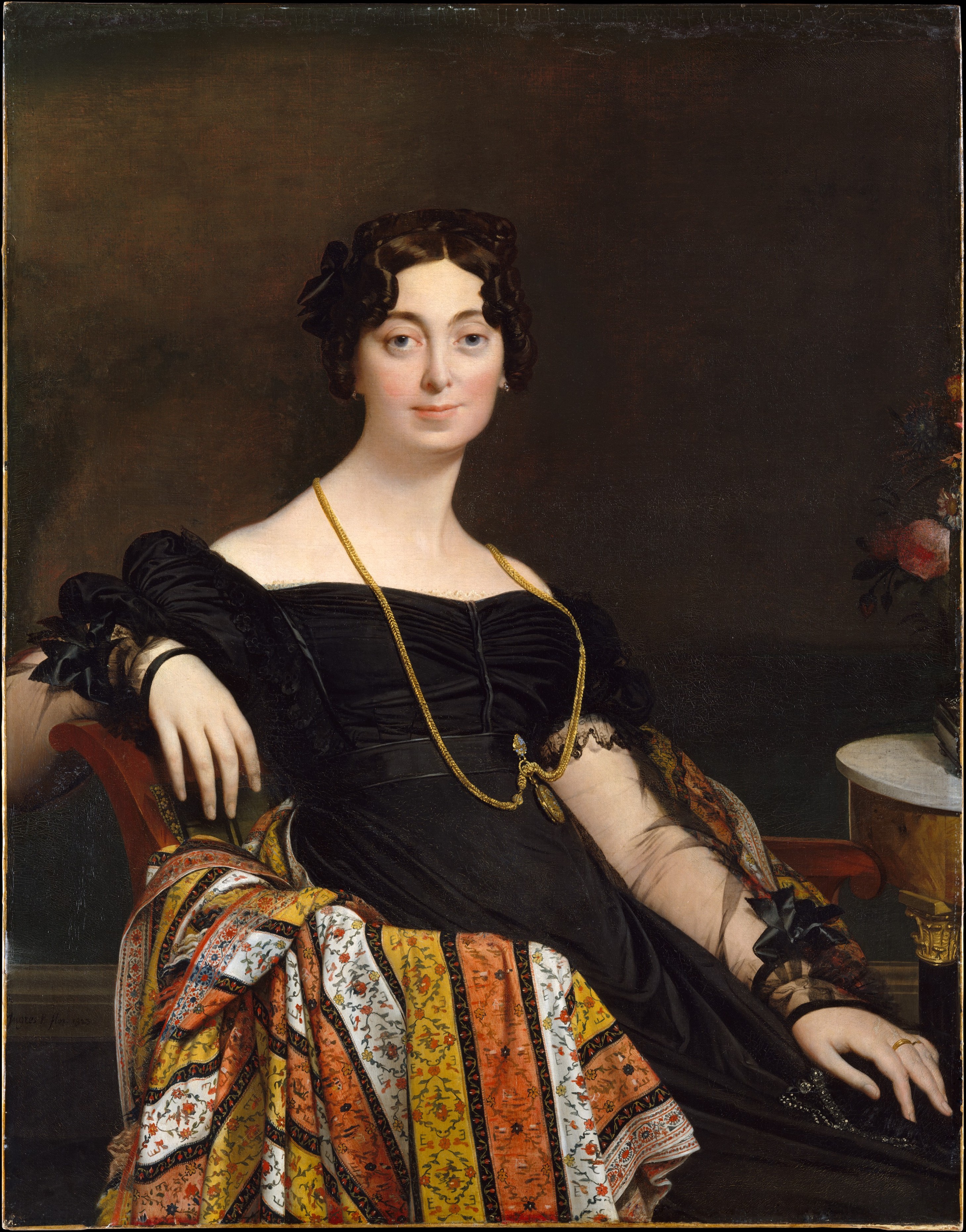
This strategic standalone research paper positions the 1806 portrait of Madame Jacques-Louis Leblanc (Françoise Poncelle) by Jacques-Louis David not merely as an art historical artifact, but as a primary source for the construction of a profound and distinctive luxury brand mythology. For Katherine Fashion Lab, this analysis decodes the painting’s embedded narratives of symbolic power, historical adornment, and spiritual meaning to architect a forward-facing 2026 high-end strategy. The portrait serves as a direct conduit to an "Ancient Civilization" ethos—specifically, the neoclassical revival of Greco-Roman ideals—providing a timeless, intellectual, and deeply resonant foundation for a modern luxury house.
Decoding Symbolic Power: The Neoclassical Archetype
The portrait of Madame Leblanc is a masterclass in coded symbolism. Painted in the wake of the French Revolution and during the rise of the Napoleonic Empire, it consciously rejects the frivolous Rococo. Instead, it adopts the severe, rational aesthetic of the ancient world to communicate a new kind of authority: one based on moral virtue, republican simplicity, and intellectual grace. Madame Leblanc is not depicted as an aristocrat of the ancien régime, but as a modern Roman matron. Her power is derived from her composure, her dignified isolation against a stark background, and the deliberate restraint of her adornment. This is not power shouted through opulence, but power whispered through cultural and historical alignment. For Katherine Fashion Lab, this translates to a strategic positioning of quiet authority over loud luxury. The brand’s power will be articulated through impeccable craftsmanship, intellectual heritage, and a rejection of transient trends in favor of timeless archetypes. The "Ancient Civilization" origin point here is not a literal reference, but a metaphor for foundational, enduring principles—order, harmony, and idealized beauty—that can withstand cyclical market volatility.
Historical Adornment as Semantic Language
Every element of Madame Leblanc’s attire and setting is a deliberate semantic choice, offering a rich lexicon for product development and brand storytelling. Her attire—a simple white chemise à la grecque dress, a shawl, and minimal jewelry—epitomizes the neoclassical ideal. The white fabric evokes the purity of classical marble sculpture, while its drapery suggests the dynamic, living body beneath, a concept central to both ancient art and modern luxury fashion that celebrates the wearer’s form. The shawl, a single item of layered texture, introduces tactility and practical elegance. Her adornment is reduced to a few key pieces: a gold bracelet, likely a cameo or intaglio referencing classical motifs, and the stark black ribbon choker. This choker is a critical focal point—a severe, graphic line that simultaneously draws attention to the neck (a classical symbol of grace and vulnerability) and contains it, creating a powerful tension between softness and structure. For KFL’s 2026 strategy, this analysis dictates a focus on the semantics of simplicity. Collections can be built around the foundational "white dress" as a canvas, the transformative shawl or wrap as a key accessory, and statement pieces that serve as singular, meaningful points of focus—like the modern interpretation of the choker, reconceived as a collared necklace or architectural neckline. Materials and finishes should reference marble, polished gold, and matte textiles, speaking a language of considered materiality.
Spiritual Meaning: The Cult of the Ideal
The spiritual dimension of the portrait is secular yet profound. It reflects the late-18th century’s "cult of the ideal," a quasi-spiritual belief in the perfectibility of form and virtue through emulation of antiquity. Madame Leblanc’s pose and gaze are contemplative, inward-looking, suggesting a life of the mind and refined sensibility. The empty, shadowed background isolates her, not in loneliness, but in a sanctified space of self-possession and moral certainty. This translates to a modern spirituality of aesthetics and self-cultivation. The Katherine Fashion Lab client does not purchase for social validation alone, but for alignment with a personal ideal of beauty, knowledge, and composed selfhood. The brand’s spiritual meaning lies in its promise of transformation into this more refined, historically-aware, and self-assured archetype. Marketing and experiential strategies for 2026 must cultivate this aura: content that educates on art history, client events in museum or archaeological settings, and a brand voice that speaks to intellectual and aesthetic enlightenment as a form of contemporary luxury spirituality.
Strategic Application: The 2026 High-End Luxury Blueprint
Integrating this heritage analysis into a concrete 2026 strategy requires moving from narrative to operational blueprint. Katherine Fashion Lab’s market position will be that of The Neoclassical Modernist.
Product Architecture: The core collection will be named "Linea," focusing on foundational garments with architectural drape and sculptural simplicity. A complementary "Intaglio" line will feature fine jewelry and hard accessories inspired by classical gems, seals, and the iconic choker, using materials like engraved carnelian, black onyx, and brushed gold. Limited "Toga" editions will offer one-of-a-kind wraps and evening pieces in partnership with textile conservators or contemporary artists, mirroring the singular shawl in the portrait.
Brand Experience & Communication: The 2026 campaign, "The Leblanc Principle," will be shot in locations with stark, monumental architecture. Imagery will emphasize solitude, contemplation, and dignified grace over social scenes. Digital content will include curator-led video essays dissecting the portrait’s symbolism. Client relationships will be nurtured through private viewings of neoclassical collections and commissioned portrait sittings with selected fine art photographers, directly referencing the original commission’s sense of legacy.
Competitive Differentiation: In a market saturated with either overt branding or ephemeral streetwear influences, KFL’s rootedness in a coherent, intellectually rigorous heritage system provides unmatched depth and authenticity. It appeals to the ultra-high-net-worth individual seeking legitimacy and narrative substance, not just logo recognition.
Conclusion: From Canvas to Codex
The portrait of Madame Jacques-Louis Leblanc is far more than a painting; it is a complete brand codex for Katherine Fashion Lab. It provides a powerful, pre-validated system of meaning encompassing symbolic authority (the neoclassical ideal), a lexicon of adornment (semantic simplicity), and a spiritual promise (the cult of the refined self). By meticulously decoding and contemporizing these elements, KFL can launch a 2026 luxury strategy that is not reactive to trends, but proactive in defining a new, enduring standard. The strategy transforms heritage from a static reference into a dynamic operating system, ensuring the brand possesses the timeless authority, deliberate beauty, and profound resonance of the ancient civilization it elegantly evokes.