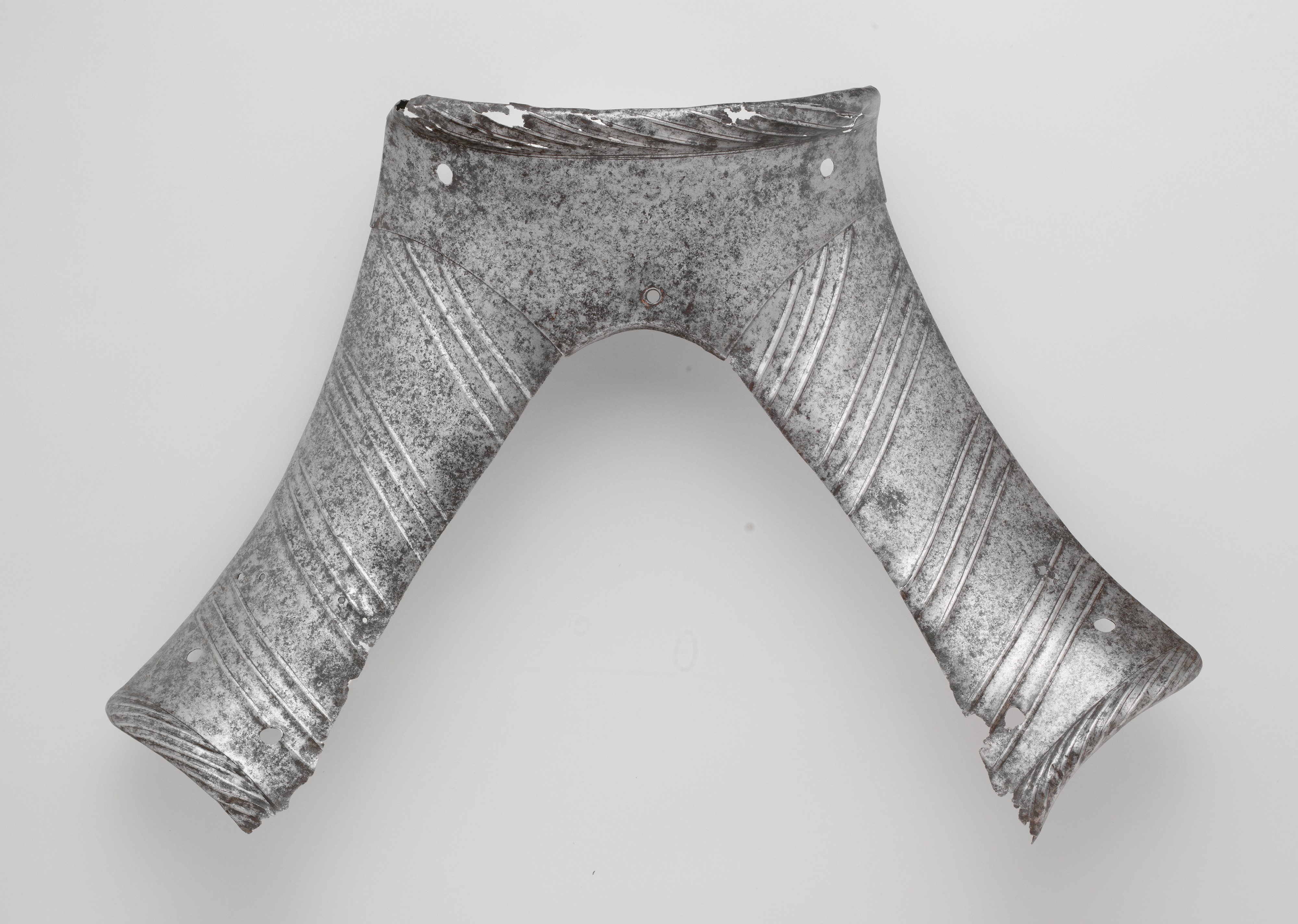
The Gilded Imperative: Symbolic Power and the German Saddle Pommel
In the annals of equestrian history, few artifacts speak with the dual eloquence of martial pragmatism and aristocratic theater as the German saddle pommel plates of the early modern period. Composed of forged steel and enveloped in the warm, unyielding glow of gold, these three plates are not merely functional components of a riding apparatus. They are, in the most profound sense, portable monuments to authority—compressed narratives of divine right, temporal power, and the spiritual armor of the Christian knight. For Katherine Fashion Lab, a house committed to the archaeology of meaning, these plates offer a strategic lexicon for a 2026 luxury landscape defined by scarcity, heritage, and the reclamation of symbolic weight.
Forged Authority: The Metallurgy of Command
The material duality of the pommel plates—steel beneath gold—is the first and most critical semiotic layer. Steel, in the Germanic context of the Holy Roman Empire, was the metal of the sword, the plow, and the siege. It represented the cold, practical application of will. Gold, conversely, was the metal of the altar, the crown, and the reliquary. It signified the transcendent, the incorruptible, and the divine. The deliberate fusion of these metals on a saddle—the fulcrum of the rider’s control—creates a physical metaphor for the ideal sovereign: a man of unyielding martial substance, sheathed in the sanctified aura of celestial mandate.
From a strategic heritage perspective, this is not mere decoration. It is a calculated assertion of hierarchical permanence. The gold does not hide the steel; it exalts it. In the same manner, Katherine Fashion Lab’s 2026 strategy must not conceal the rigorous craftsmanship and structural integrity of its garments beneath ephemeral trends. Instead, the house should position its foundational techniques—the tailoring, the weave, the structural boning—as the "steel," and its seasonal embellishments, signature motifs, and client-facing narratives as the "gold." The luxury consumer of 2026 is not seeking ostentation; they are seeking legitimacy. They wish to witness the strength beneath the shine, to know that the beauty they wear is supported by an unbreakable core of artisanal truth.
Historical Adornment: The Cartography of Status
Examining the iconographic language of these plates, one observes a distinct departure from the purely utilitarian. The repoussé and chasing techniques would have rendered scenes of hunts, mythological battles, or intricate foliate patterns derived from the Italian Renaissance. Yet, the German interpretation of these motifs is notably more rigid, more architectonic, than its Mediterranean counterparts. This is the visual language of the Landsknecht and the Imperial Knight—a people who viewed adornment not as pleasure but as a ledger of duty.
The placement of the plates is equally significant. Positioned at the pommel, they are the last thing the rider sees before mounting, and the first thing a courtier observes as the rider approaches. This is a strategic visual anchor. In the context of historical adornment, the pommel plate functioned as a roving coat of arms, a declaration of allegiance and lineage that preceded the rider’s spoken word. For the 2026 luxury market, this translates into a demand for locative identity. The modern high-net-worth individual is increasingly nomadic, yet they crave rootedness. Katherine Fashion Lab can leverage this by treating its signature accessories—a brooch, a belt buckle, a clasp—as "pommel plates" for the contemporary body: small, dense objects of power that communicate the wearer’s provenance and personal mythology before a single conversation begins.
Spiritual Meaning: The Equestrian Eucharist
To understand the spiritual resonance of these plates, one must consider the medieval and early modern equestrian as a liturgical figure. The horse was the highest terrestrial creature, and the rider, elevated above the pedestrian masses, occupied a liminal space between earth and heaven. The saddle, therefore, was not merely a seat but a throne in exile. The gold on the pommel, catching the light of the sun, was a deliberate echo of the monstrance in a cathedral—a focal point of awe and reverence.
The spiritual meaning extends to the concept of Memento Mori interwoven with Memento Vivere. The steel beneath the gold is a constant reminder of mortality and the fragility of earthly power, while the gold is a promise of eternal glory. This duality is the essence of the chivalric code: to fight with the ferocity of a lion while maintaining the humility of a lamb before God. For Katherine Fashion Lab, this offers a profound blueprint for quiet luxury in 2026. The modern elite are moving away from logo-centric displays toward a more introspective form of luxury—one that acknowledges the transient nature of trends while investing in the permanent value of heritage. By incorporating subtle, almost hidden, symbols of resilience and faith—whether through a specific stitch pattern or an internal lining of sacred geometry—the brand can cater to this desire for spiritual depth without overt religiosity, offering a garment that protects the soul as much as it adorns the body.
Strategic Synthesis: The 2026 Luxury Imperative
As we project into 2026, the luxury market is bifurcating. On one side, there is the commoditized "masstige" sector, characterized by rapid production and logo saturation. On the other, a rarefied echelon of clients who demand archaeological authenticity—objects that carry the patina of history and the precision of a master atelier. The German pommel plates belong unequivocally to the latter.
For Katherine Fashion Lab, the strategic extraction from this artifact is threefold. First, Dual-Material Narrative: The brand must adopt a "steel and gold" approach to product development, wherein the invisible construction is as meticulously considered as the visible surface. This allows for a premium pricing architecture justified by internal complexity, not external flash. Second, Portable Sovereignty: The house should develop a capsule collection of "command objects"—small, highly crafted leather goods and metalwork that serve as modern pommel plates. These items should be designed to be carried or worn during moments of personal negotiation, providing the wearer with a psychological armor of historical gravitas. Third, Liturgical Presentation: The retail experience must shift from a transactional space to a ceremonial one. The unveiling of a garment should be treated with the reverence of a relic, acknowledging the spiritual transaction between the wearer and the house.
In conclusion, these three pommel plates are not artifacts of a bygone era; they are strategic templates for a future where luxury must mean something again. By synthesizing the symbolic power of the warrior, the historical precision of the court, and the spiritual depth of the pilgrim, Katherine Fashion Lab can navigate the 2026 landscape not as a follower of trends, but as a curator of imperishable value. The gilded imperative is clear: to lead, one must be willing to carry the weight of history, gilded in the gold of foresight.