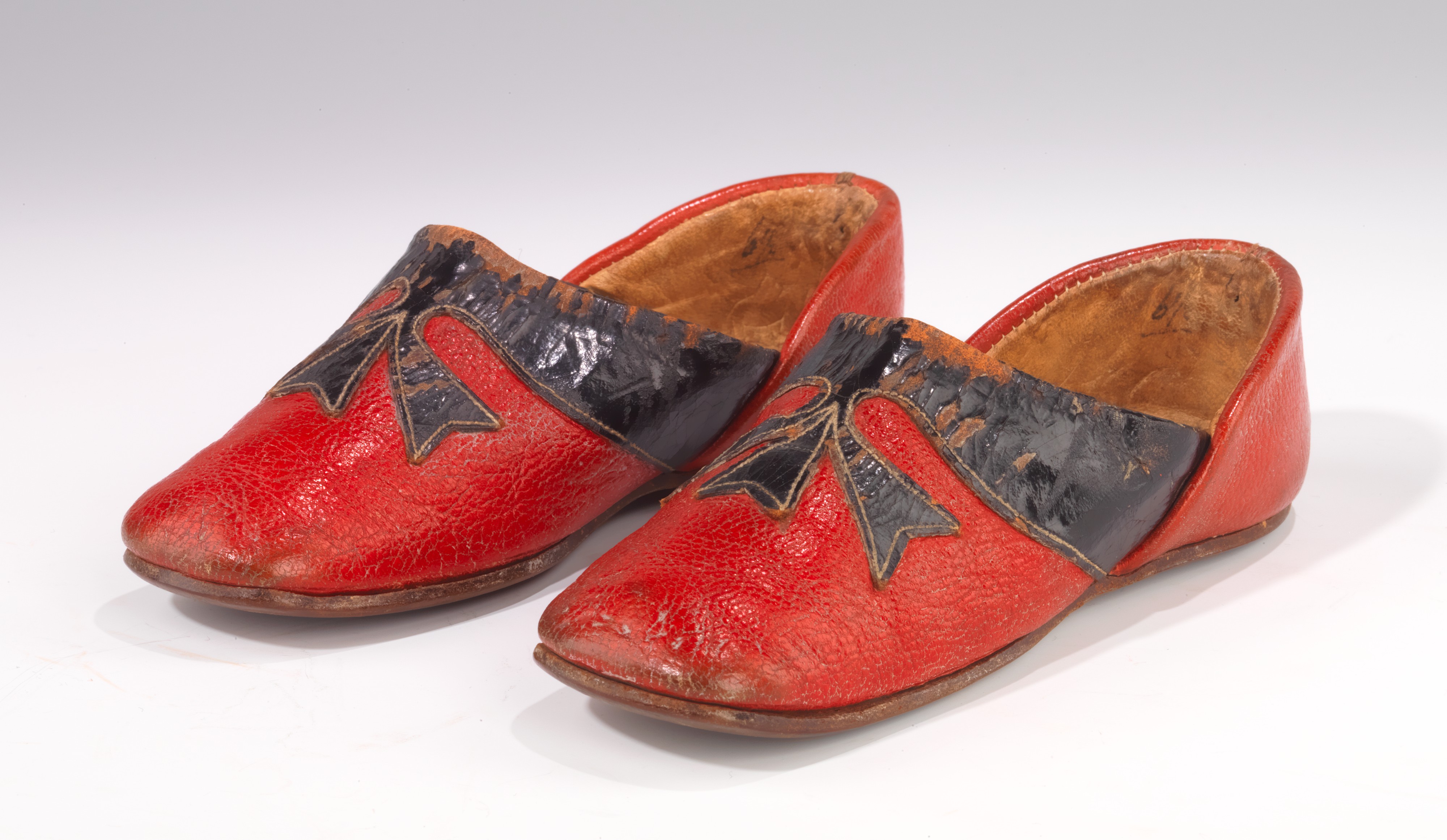
The American Slipper: A Study in Domestic Couture
In the pantheon of American fashion, the slipper occupies a curious, often overlooked position. It is neither the architectural triumph of a stiletto nor the utilitarian robustness of a work boot. Yet, within the hallowed halls of Katherine Fashion Lab, the slipper transcends its humble domestic role to emerge as a profound subject of sartorial analysis. This study isolates the American slipper, crafted from premium leather, to deconstruct its significance as a standalone artifact of cultural identity, material mastery, and quiet luxury. To dismiss it as mere loungewear is to ignore a complex dialogue between comfort, craftsmanship, and the evolving ethos of American style.
Deconstructing the Domestic: Historical Precedents
The American slipper’s lineage is distinct from its European cousins. While French mules and Italian pantofole carried connotations of aristocratic decadence, the American iteration emerged from a pragmatist tradition. Rooted in the colonial era’s need for functional indoor footwear, the slipper evolved through the 19th century as a symbol of domestic privacy—a garment reserved for the sanctity of the home. However, the 20th century witnessed a paradigm shift. With the rise of suburban leisure culture and the democratization of style, the slipper began its migration from the bedroom to the living room, and eventually, to the public sphere.
Katherine Fashion Lab posits that this migration is not merely a trend but a reflection of America’s redefinition of formality. The leather slipper, in particular, became the emblem of a new casual elegance—a rejection of rigid European formality in favor of a relaxed, confident individualism. This study isolates the material itself, leather, as the primary vehicle for this narrative. Unlike fabric or synthetic alternatives, leather offers a unique synthesis of structure and suppleness. It ages with the wearer, developing a patina that records personal history. In this sense, the leather slipper is not a disposable commodity but a durable, evolving companion.
Materiality as Identity: The Leather Imperative
To analyze the American leather slipper is to engage in a study of material semiotics. The choice of full-grain or top-grain leather is not arbitrary; it is a deliberate declaration of quality. Full-grain leather, with its natural markings and unblemished surface, speaks to a commitment to authenticity. The tannage process—whether vegetable-tanned for a firm, earthy finish or chrome-tanned for a buttery softness—dictates the slipper’s drape and resilience. In Katherine Fashion Lab’s assessment, the leather’s structural integrity is paramount. It must be thick enough to provide support yet pliable enough to conform to the foot’s unique contours. This duality is the essence of couture-level comfort: a bespoke fit achieved through material intelligence rather than overt construction.
Furthermore, the leather’s surface becomes a canvas for American craft. Hand-stitched welts, burnished edges, and brass or nickel hardware are not mere embellishments but markers of artisanal rigor. The absence of excessive ornamentation is itself a stylistic statement. The American slipper, in its purest form, relies on the purity of line and the richness of tone—chestnut, mahogany, oxblood, or black—to command attention. This restraint aligns with the broader principles of American minimalism, where less is never simply less, but a calculated reduction to essentials.
From Threshold to Stage: The Slipper’s Public Debut
The contemporary context of the American slipper has expanded beyond the domestic interior. On the runways of New York and in the editorial pages of fashion magazines, the leather slipper has been recontextualized as a statement piece. This is not a return to the Victorian smoking slipper but a modern reinterpretation that bridges the gap between loungewear and ready-to-wear. Designers at Katherine Fashion Lab observe that the slipper now functions as a transitional garment, capable of pairing with tailored trousers, denim, or even unstructured suiting. This versatility is a hallmark of American fashion’s global influence—a pragmatic yet aspirational approach to dressing.
The standalone study of this artifact reveals a nuanced paradox. On one hand, the slipper embodies a retreat from the performative pressure of public dress. On the other, its adoption into street style signifies a bold assertion of personal comfort over external expectation. This is the slipper’s quiet rebellion. It challenges the notion that elegance must be synonymous with discomfort. In a post-pandemic world, where the boundaries between work, home, and social life have blurred, the leather slipper serves as a sartorial anchor—a constant that adapts to shifting contexts without losing its intrinsic character.
Construction and Craft: The Anatomy of a Slipper
A forensic examination of the slipper’s construction reveals the sophistication hidden beneath its simple silhouette. The sole, whether a thin leather outsole or a more substantial rubber-infused variant, must balance traction with a low profile. The insole, often lined with leather or shearling, provides a microclimate of comfort, wicking moisture and regulating temperature. The upper, cut from a single piece of leather or assembled from multiple panels, requires precise pattern-making to ensure a seamless fit across the instep and heel.
Katherine Fashion Lab emphasizes the importance of the last—the three-dimensional mold over which the slipper is shaped. A well-designed last is the difference between a slipper that merely covers the foot and one that cradles it. American manufacturers have historically excelled in developing lasts that accommodate a diverse range of foot shapes, reflecting the nation’s multicultural population. This ergonomic focus is a form of inclusive luxury, prioritizing function without sacrificing aesthetic appeal.
The Future of the Slipper: A Sustainable Icon
As the fashion industry grapples with sustainability, the leather slipper presents a compelling case for longevity over disposability. When sourced from responsible tanneries and constructed with durable techniques, a leather slipper can last decades, reducing the environmental toll of fast fashion. Furthermore, its timeless design resists seasonal obsolescence. The American slipper is not subject to the whims of trend cycles; it is an investment in enduring style.
In conclusion, the standalone study of the American leather slipper at Katherine Fashion Lab repositions this humble object as a cornerstone of couture thinking. It is a testament to the power of material, the precision of craft, and the cultural narrative of comfort as a form of rebellion. To wear a well-made leather slipper is to participate in a legacy of American ingenuity—a quiet, confident declaration that true elegance lies not in ostentation, but in the perfect union of form and function. The slipper, in its unassuming glory, stands as a masterclass in the art of the essential.