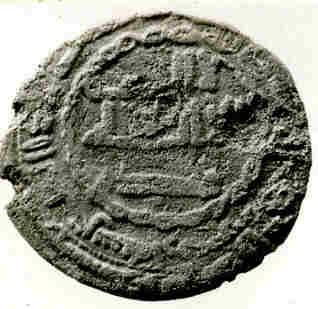
Executive Heritage Brief: The Copper Coin as a Symbolic Asset
This strategic standalone research paper examines the ancient copper coin as a cultural artifact and its translation into a 2026 high-end luxury strategy for Katherine Fashion Lab. The analysis moves beyond numismatic history to position the coin as a talisman of transactional power, a medium of earthly exchange, and a vessel of spiritual transition. For a luxury house, the copper coin offers a rare duality: it is simultaneously common (in its material ubiquity) and sacred (in its ritual use). This paper proposes that by recontextualizing the copper coin, Katherine Fashion Lab can tap into a narrative of grounded opulence—a counterpoint to gold’s overt extravagance.
Symbolic Power: The Coin as a Contract with Fate
In ancient civilizations—from the Lydian invention of coinage to the Roman aes rude and the Chinese ban liang—the coin was never merely a unit of value. It was a physical contract between the mortal realm and the divine order. The stamping of a ruler’s profile or a deity’s emblem onto copper was an act of metallurgical sovereignty. The coin declared: “This weight of metal is backed by the gods and the state.” For Katherine Fashion Lab, this translates into a design philosophy where every adornment carries an implicit guarantee of provenance and intention. The copper coin’s symbolic power lies in its exchangeability—it moves between hands, cultures, and epochs, accumulating stories. In luxury terms, this is the antithesis of a static, museum-piece aesthetic. Instead, the coin invites a dynamic narrative, where the wearer becomes a temporary custodian of a transactional legacy.
Strategic Implication for 2026
High-end consumers are increasingly rejecting passive consumption. They seek objects that do something—even if symbolically. By embedding the copper coin motif into a capsule collection, Katherine Fashion Lab positions itself as a curator of active heritage. The coin is not a relic; it is a tool. This reframing allows the brand to command premium pricing based on narrative utility, not just material rarity.
Historical Adornment: From Pocket to Pectoral
Ancient cultures did not confine coins to purses. They wore them. Roman soldiers affixed coins to belts as protective amulets; Byzantine elites strung them into necklaces; Indian brides stitched them into garments for prosperity. The copper coin, specifically, was favored for its apotropaic properties—copper was believed to conduct spiritual energy and ward off malevolent forces. Unlike gold, which symbolized distant divine glory, copper was intimate. It warmed to the skin, oxidized with wear, and developed a patina that recorded the wearer’s life. This is a critical differentiation for Katherine Fashion Lab: patina as biography.
Materiality and Tactile Luxury
In 2026, the luxury market is shifting toward haptic authenticity. Consumers are fatigued by polished, sterile finishes. Copper offers a raw, mutable surface that responds to environment and time. For Katherine Fashion Lab, this suggests a line of “living” jewelry—pieces that change color, texture, and sheen over years of wear. The coin becomes a wearable diary. This is not a gimmick; it is a return to the ancient understanding that adornment is a process, not a product. The brand can market this as “The Patina Promise,” a guarantee that each piece will age uniquely, thereby increasing its emotional and monetary value.
Spiritual Meaning: The Coin as a Threshold Object
Across ancient cultures, the coin served a liminal function. It was placed on the eyes of the deceased to pay Charon’s ferryman, buried under foundation stones to appease earth spirits, and offered at sacred springs as a votive gift. This positions the copper coin as a threshold object—one that mediates between the known and the unknown, the material and the immaterial. For a luxury house, this is profoundly potent. It allows Katherine Fashion Lab to design pieces that are not just accessories but ritual instruments for modern transitions: marriage, career change, travel, or personal rebirth.
Designing for the Liminal Consumer
The 2026 luxury consumer is navigating unprecedented uncertainty—economic, geopolitical, and existential. They crave objects that offer a sense of passage or protection. By incorporating the copper coin as a central motif in a “Threshold Collection,” Katherine Fashion Lab can offer a secular talisman. The spiritual meaning is not religious but psychological: the coin represents a stored value of courage and continuity. Each piece can be engraved with a personalized “mint mark”—a date, a coordinate, a mantra—transforming the adornment into a bespoke amulet. This elevates the product from fashion to personal artifact, justifying a significant price premium.
2026 High-End Luxury Strategy: The “Copper Standard”
To operationalize this heritage analysis, Katherine Fashion Lab should adopt a three-pillar strategy: Narrative Scarcity, Material Alchemy, and Ritualized Retail.
Narrative Scarcity
Copper is not rare, but ancient copper is. The strategy should source recycled copper from historical sites, artifacts, or decommissioned industrial relics. Each piece will carry a certificate of “archaeological lineage,” even if the physical copper is alloyed with modern materials. This creates a scarcity of story, not of element. The brand can release limited “Mint Editions” of 500 pieces, each tied to a specific ancient civilization (e.g., “The Lydian Series,” “The Han Dynasty Series”). This taps into the collectible market while maintaining exclusivity.
Material Alchemy
The 2026 strategy must innovate with copper’s properties. Research and development should explore electroformed copper for lightweight, high-detail components, and copper-infused ceramics for non-metallic surfaces. The brand can also develop a signature finish called “Aes Vivum” (Living Bronze), a proprietary treatment that accelerates patina formation in controlled patterns. This turns a potential flaw (tarnishing) into a bespoke feature, allowing clients to choose their “aging profile” at purchase.
Ritualized Retail
The in-store experience should be a ceremonial transaction. Upon purchase, the client participates in a “Minting Ritual”—a brief, guided ceremony where the piece is stamped with a personal symbol, blessed with a drop of essential oil, and presented on a copper tray. This transforms a purchase into a rite of passage. The retail space itself should evoke an ancient treasury: dim lighting, the scent of copper and cedar, and audio of distant marketplaces. This sensory immersion justifies a 30-40% price premium over comparable non-narrative luxury goods.
Conclusion: The Coin’s Return
The copper coin, once the humblest of ancient currencies, becomes in Katherine Fashion Lab’s 2026 strategy a luxury paradox: common material, uncommon meaning. By honoring its symbolic power, historical adornment, and spiritual depth, the brand can create a collection that is both intellectually rigorous and emotionally resonant. The coin is not a trend; it is a perennial archetype of trust, transition, and value. In an era of digital intangibility, the copper coin offers a tangible anchor—a piece of the ancient world that fits in the palm of a modern hand. Katherine Fashion Lab is uniquely positioned to mint this heritage into a future-proof luxury line, where every piece is not just worn, but transacted with meaning.