The Inkwell as Microcosm: An Analysis of Katherine Fashion Lab’s Global Heritage Study Piece
Within the rarefied echelons of decorative arts, the inkwell occupies a peculiar liminal space—neither purely utilitarian nor wholly ornamental. It is an instrument of intellect, a vessel for the written word, and, in its most refined iterations, a testament to the patron’s cosmopolitan taste. Katherine Fashion Lab’s recent acquisition, an inkwell designated as part of a set and sourced from the Global Heritage collection, transcends mere desk furniture. It functions as a silent manifesto of cross-cultural synthesis, material mastery, and the quiet opulence of the solitary scholar. This analysis dissects the piece’s materiality, its historical resonance within the Global Heritage framework, and its standalone presence as a sculptural object of profound interiority.
Material Dialectics: Enameled Copper and the Alchemy of Light
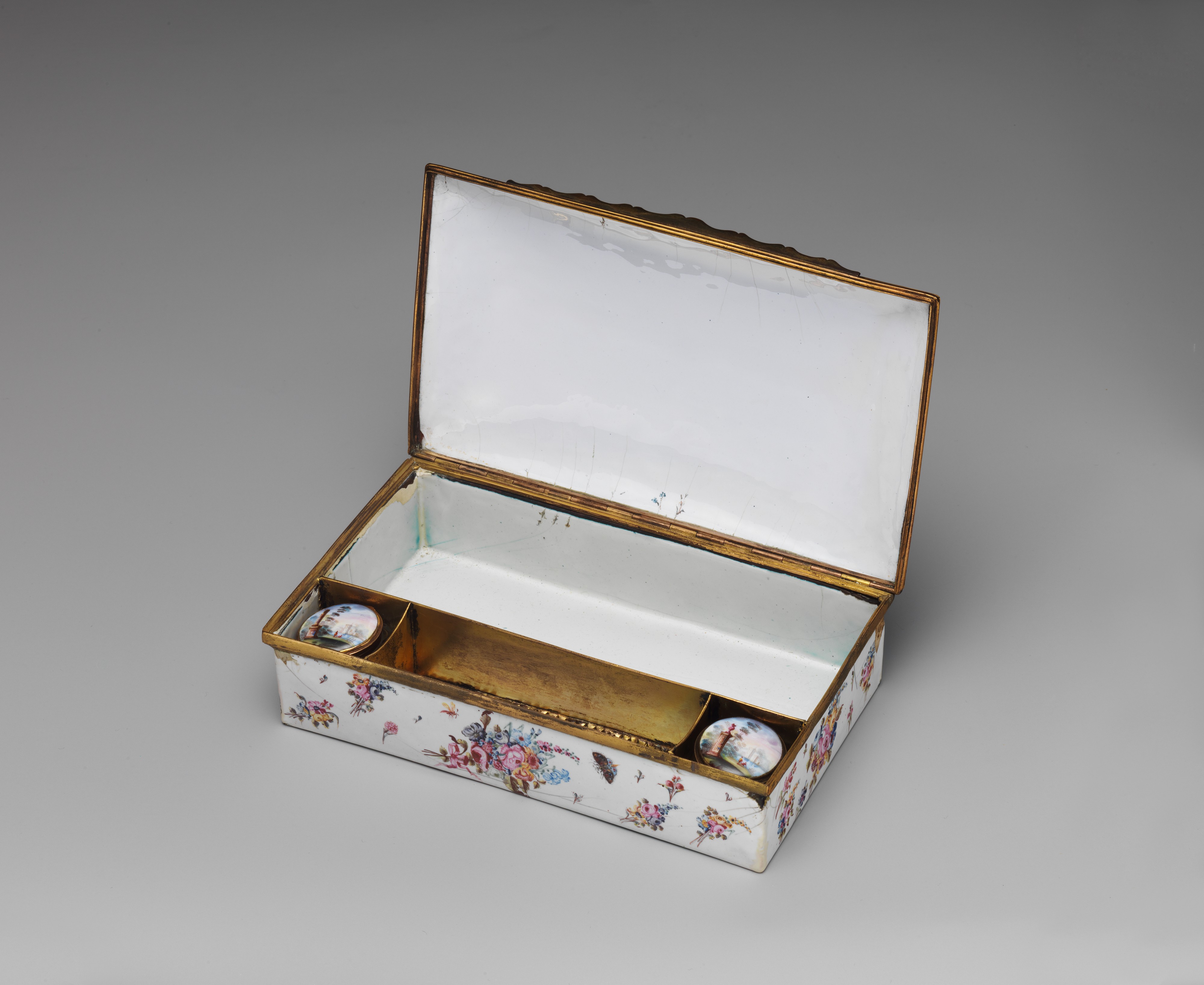
The primary substrate, enameled copper, immediately signals a departure from the precious-metal hegemony of European writing implements. Copper, a base metal, is here elevated through the application of vitreous enamel—a technique requiring kiln-fired precision. The enamel surface is not a mere coating but a refractive skin, capable of producing a depth of color that rivals gemstone. In this piece, the enamel’s palette is deliberately restrained, favoring deep aubergine, midnight blue, and traces of verdigris, mimicking the patina of aged bronze. This choice is strategic: it aligns the object with the patina-centric aesthetics of the 19th-century Orientalist revival, yet the execution is distinctly modern in its geometric precision.
The implements—a quill or dip pen, a blotter, and a seal—are crafted from glass, gilt copper, and enameled copper respectively. The glass implement is the piece’s quiet subversion. Where one expects the warmth of turned wood or the weight of silver, glass offers cool, crystalline clarity. It is a nod to the Venetian tradition of vetro, yet its form is unadorned, almost minimalist. The gilt copper accents, applied in thin, linear bands, serve as visual punctuation, catching ambient light and drawing the eye across the object’s silhouette. This interplay between the matte enamel, the reflective gilding, and the translucent glass creates a dynamic optical experience, ensuring the inkwell is never static, even in the stillness of a study.
Global Heritage: A Cartography of Influences
The “Global Heritage” provenance is not a mere marketing label; it is a curatorial thesis. This inkwell is a palimpsest of cultural quotations. The overall silhouette—a low, squat cylinder with a recessed well—recalls the dawat of the Ottoman and Mughal courts, which were often crafted from jade or rock crystal. However, the enamelwork here borrows from the Cloisonné traditions of China, albeit simplified. The gilt copper filigree, while European in technique, echoes the arabesque patterns found in Andalusian metalwork. This is not a pastiche but a deliberate orchestration of global motifs into a cohesive, singular object.
The decision to label it “part of a set” while presenting it as a standalone study piece is a curatorial provocation. The inkwell’s missing companions—perhaps a pen tray or a letter opener—are not a lacuna but a liberation. Freed from the constraints of a matched ensemble, this object becomes a protagonist. It commands the desk as a solo performer, its narrative completed not by adjacent objects but by the user’s own intellectual engagement. The “set” exists in potential, a ghostly complement that enhances, rather than detracts from, the standalone’s authority.
The Standalone Study: An Architecture of Contemplation
Context is destiny for objects of this caliber. Placed within a standalone study—a room dedicated to reading, writing, and solitary reflection—the inkwell assumes a role beyond that of a writing aid. It becomes a focal point for the meditative act of correspondence. The recessed well, lined with a separate glass insert, is engineered for functionality, yet its depth invites a metaphorical reading: the ink as a reservoir of thought, drawn up by the pen, dispersed across the page. The enameled copper body, cool to the touch, grounds the user in the present moment, while the gilt accents suggest aspiration—the elevation of the mundane into the intellectual sublime.
In the context of a modern or contemporary study, this piece offers a counterpoint to digital ephemera. Its weight, its tactility, and its deliberate craftsmanship demand a slower mode of interaction. To use this inkwell is to participate in a ritual of patience and precision. The glass implement, in particular, is a study in fragility and control; it requires a steady hand, a quiet mind. This is not an object for hurried note-taking but for the drafting of letters, the inscription of a diary, or the signing of a treaty. It is, in essence, a tool for the architecture of thought.
Valuation and Curatorial Significance
From a market perspective, the inkwell’s value lies not in its material intrinsic worth but in its provenance narrative and its aesthetic singularity. Enameled copper, while durable, is not a precious metal; the glass is not lead crystal. Yet the piece’s value is compounded by the rarity of its integrated design—the seamless marriage of three disparate materials (copper, glass, gilt) into a single, harmonious entity. For the collector of writing instruments or the devotee of the objet d’art, this inkwell represents a high point of the Global Heritage style, a genre that prizes cultural fluency over regional parochialism.
Katherine Fashion Lab’s curation of this piece as a standalone study object is a masterstroke of spatial storytelling. It invites the viewer to imagine the hand that held the glass pen, the mind that composed the words, and the world—both local and global—that informed them. The inkwell is not merely a relic; it is an active participant in the ongoing dialogue between maker, user, and observer. Its presence in a study elevates the room from a functional workspace to a sanctuary of intellectual pursuit.
Conclusion: The Permanent Present of the Written Word
In an age of ephemeral digital communication, the inkwell is an anachronism of the most delightful order. It is a physical reminder that the act of writing was once a deliberate, material act. Katherine Fashion Lab’s inkwell, with its enameled copper body, glass implements, and gilt copper accents, is not a nostalgic artifact but a timeless object. It holds within its form the accumulated wisdom of global craft traditions, distilled into a vessel of profound simplicity. As a standalone piece in a study, it does not demand attention; it commands respect. It is a silent partner in the solitary act of creation, a testament to the enduring power of the written word, and a masterpiece of material storytelling.