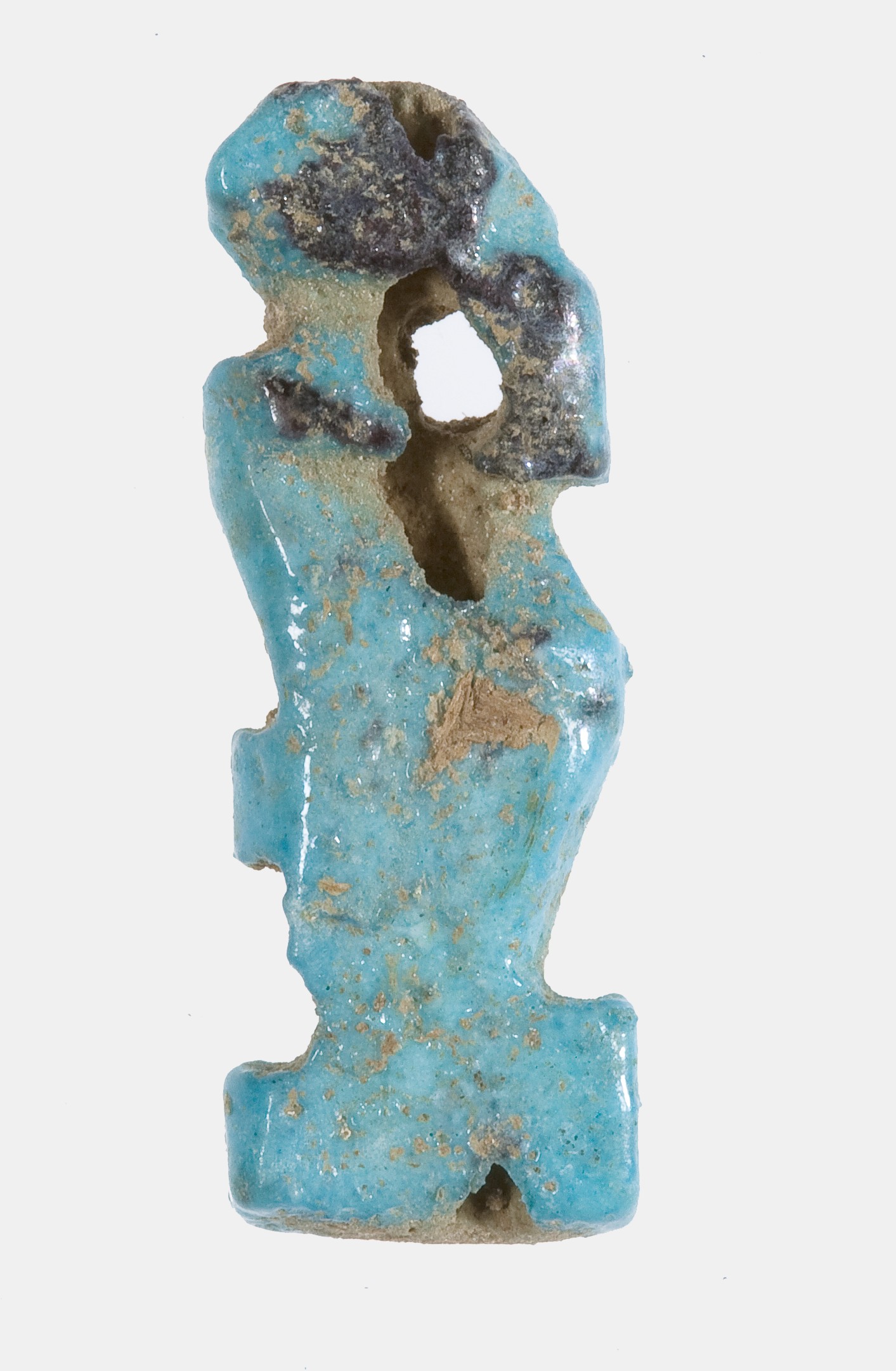
The Amulet in Faience: A Heritage Analysis for Katherine Fashion Lab
Introduction: The Enduring Currency of Protection
The amulet, particularly those rendered in faience, represents one of humanity’s most persistent and sophisticated expressions of materialized belief. For Katherine Fashion Lab, this artifact is not merely a historical curiosity but a strategic blueprint for 2026 high-end luxury positioning. The amulet’s journey from a functional spiritual tool in ancient civilizations to a coveted symbol of status and protection offers a compelling narrative arc that aligns with the contemporary luxury consumer’s demand for meaning, provenance, and emotional resonance. This analysis deconstructs the amulet’s symbolic power, historical adornment practices, and spiritual significance, translating these insights into a cohesive, high-end strategy for the coming year.
Symbolic Power: The Materialization of Invisible Forces
In the ancient world, particularly within Egyptian, Mesopotamian, and Phoenician cultures, the amulet was a technology of the metaphysical. Crafted from faience—a self-glazing, quartz-based ceramic—these objects were not decorative trinkets but active agents of protection and transformation. The medium itself was integral to the symbolism. Faience, with its brilliant blue-green glaze, was a deliberate imitation of lapis lazuli and turquoise, stones associated with the heavens, rebirth, and the Nile’s life-giving waters. The ancient Egyptians called it tjehenet, meaning “that which gleams,” signifying its ability to reflect solar light and, by extension, divine energy.
The symbolic power of the amulet lay in its encoded iconography. The wedjat eye, the scarab beetle, the djed pillar, and the ankh were not mere motifs; they were compressed spells. Each glyph was a performative utterance in material form, intended to activate specific protective or regenerative outcomes for the wearer. For instance, the scarab, representing the sun god Khepri, was believed to ensure resurrection and the eternal cycle of life. The strategic takeaway for Katherine Fashion Lab is the concept of compressed meaning. In a saturated luxury market, the 2026 consumer seeks objects that function as talismans for their own aspirations—success, resilience, or serenity. The amulet teaches us that a single, potent symbol can carry the weight of an entire belief system, offering a more profound connection than any overt branding.
Historical Adornment: From Ritual Object to Social Identifier
Historically, the amulet’s role evolved from a purely ritualistic object to a sophisticated marker of social stratification. While the lower classes wore amulets of common faience or steatite, the elite commissioned pieces in precious metals and semi-precious stones, often with finer faience glazing that mimicked more costly materials. This duality is crucial for luxury strategy. The amulet was simultaneously a personal talisman and a public declaration of piety, wealth, and access to specialized knowledge. The placement of amulets on the body was also codified—on the throat for breath, on the chest for the heart, and on the limbs for mobility—demonstrating an early understanding of body-mapped adornment.
Furthermore, amulets were often integrated into complex jewelry compositions—pectorals, broad collars, and bracelets—creating a layered aesthetic that was both protective and opulent. This historical practice of layering amulets with other forms of adornment offers a direct template for modern high-end jewelry design. For Katherine Fashion Lab, this suggests a strategy of modular luxury, where individual amuletic pieces can be combined, stacked, or interchanged, allowing the wearer to build a personalized narrative of protection and identity. The historical precedent validates the 2026 trend toward collectible, non-static jewelry that adapts to the wearer’s daily needs and spiritual intentions.
Spiritual Meaning: The Architecture of Well-Being
The spiritual meaning of the faience amulet transcends simple superstition; it represents an early, systematic approach to psychological and physiological well-being. The amulet was prescribed for specific ailments, journeys, and life transitions—childbirth, death, and entry into the afterlife. This is a form of ritualized self-care, a concept that resonates profoundly with the modern wellness movement. The act of choosing, consecrating, and wearing an amulet was a mindful practice, a moment of introspection that affirmed the wearer’s agency over their own destiny.
In a contemporary context, the 2026 luxury consumer is increasingly seeking objects that offer a sense of grounding and control in a volatile world. The amulet’s spiritual function—to provide a tangible locus for hope and intention—is a powerful antidote to digital saturation and existential anxiety. Katherine Fashion Lab can leverage this by positioning its amulet-inspired collections not merely as accessories but as instruments of personal sovereignty. The strategy should involve storytelling that educates the consumer on the original spiritual function of each symbol, thereby creating a deeper emotional investment. This is not about commodifying spirituality, but about honoring the historical integrity of the object while translating its core value—protection and intention—into a modern vernacular.
2026 High-End Luxury Strategy: The Amulet as a Strategic Imperative
For Katherine Fashion Lab, the faience amulet provides a robust strategic framework for 2026, moving beyond mere aesthetic appropriation to a philosophy of heritage-driven innovation. The following pillars are proposed for implementation:
Pillar One: Material Storytelling and Provenance
While the Lab will not produce faience, the material’s philosophy should inform material selection. The strategy should prioritize materials with inherent symbolic weight—such as oxidized silver (representing the moon and introspection), deep blue chalcedony (representing communication and clarity), and matte gold (representing solar permanence). The narrative must emphasize the process of creation, akin to the ancient faience makers who guarded their glazing formulas. This can be achieved through limited-edition releases, each accompanied by a detailed provenance document that explains the symbol’s origin and the artisan’s technique, transforming the purchase into an acquisition of cultural knowledge.
Pillar Two: The “Personal Talisman” Experience
Capitalizing on the amulet’s personal nature, the 2026 strategy should introduce a bespoke consultation service. Clients would work with a “Heritage Curator” to select symbols based on their personal life goals or challenges, mirroring the ancient practice of receiving a prescribed amulet from a priest or healer. This service elevates the purchase from a transaction to a ritual, creating a high barrier to entry and a unique value proposition that mass-market competitors cannot replicate. The final piece would be presented in a ceremonial box, complete with a historical guide, reinforcing the object’s status as a functional talisman for the modern age.
Pillar Three: Modular and Layered Compositions
Reflecting the historical layering of amulets, the 2026 collection should be designed as a modular system. A central pendant (the primary amulet) can be paired with secondary charms that address different aspects of life—career, love, health. This encourages repeat purchases and creates a living, evolving collection. The marketing narrative should position this as “building your personal protective constellation,” appealing to the collector’s mindset and the desire for a curated, unique identity. This modular approach also aligns with sustainability goals, as pieces can be updated and re-contextualized rather than replaced.
Conclusion: From Ancient Artifact to Modern Luxury
The faience amulet is a testament to the enduring human need for objects that bridge the tangible and the intangible. For Katherine Fashion Lab, it offers a profound strategic opportunity to differentiate in a crowded market. By shifting the focus from transient trends to permanent values—protection, intention, and heritage—the Lab can create a collection that resonates on a deeply personal level. The 2026 strategy is not about selling jewelry; it is about offering a piece of history, re-encoded for contemporary life, that empowers the wearer with the same symbolic agency that ancient civilizations once harnessed. In doing so, Katherine Fashion Lab positions itself not just as a purveyor of luxury goods, but as a guardian of cultural memory, translating ancient wisdom into a language of modern, high-end elegance.