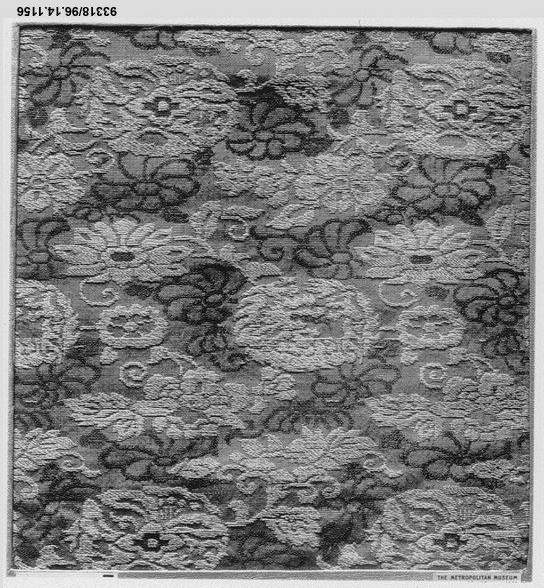
The Art of the Singular: A Couture Analysis of Katherine Fashion Lab’s Japanese Silk Piece
In the rarefied echelons of haute couture, where the garment transcends mere clothing to become a sculptural narrative, the “standalone study” holds a unique position. It is not a compromise of a collection, nor a preparatory sketch for a runway; it is a distillation—a pure, unadulterated expression of a single idea, material, and cultural resonance. Katherine Fashion Lab’s latest standalone piece, a construction born from Japanese silk, is precisely such an artifact. It is a masterclass in restraint, a dialogue between the fluidity of Edo-period aesthetics and the architectural rigor of contemporary Western tailoring. This is not simply a dress; it is a thesis on the transformative power of material integrity.
Deconstructing the Silken Canvas: Material as Muse
The analysis must begin with the substrate itself: the silk. In this piece, the silk is not a passive surface awaiting decoration; it is the active protagonist. Katherine Fashion Lab has sourced a Habutai-weight silk, but one that has been subjected to a proprietary, labor-intensive process of hand-crêping and selective weighting. The result is a fabric that possesses a paradoxical duality—a matte, almost papery texture on one plane, and a liquid, mercury-like sheen when it catches the light at an angle. This is not the glossy, overt luxury of a duchesse satin. Instead, it is a quiet, intellectual opulence, reminiscent of the shibori techniques where fabric is bound, folded, and dyed to create three-dimensional topography.
The garment’s construction honors this material’s Japanese origin through a deliberate avoidance of harsh cutting. The primary silhouette is achieved through a series of strategic, bias-cut panels that cascade from a sharply defined, sculpted shoulder. There is no visible darts or conventional waistline seaming; the fit is achieved through the silk’s own gravitational pull and the subtle tension created by hidden interior boning that is channeled within the seams. This technique, borrowed from traditional Japanese kosode construction, where the garment’s shape is dictated by the width of the bolt and the drape of the cloth, allows the silk to fall in a continuous, unbroken stream. The result is a column of fabric that appears both monumental and ethereal—a paradox that is the hallmark of high couture.
Architectural Fluidity: The Silhouette and the Void
What is most striking about this standalone piece is its negotiation of volume and void. Viewed from the front, the silhouette is deceptively simple: a high, asymmetric neckline that sweeps across the collarbone, leading to a single, dramatic sleeve that is cut in a full, kimono-inspired wing. The opposite shoulder is left bare, creating an asymmetrical tension that is both modern and deeply rooted in the Japanese aesthetic of ma—the meaningful emptiness or negative space. This is not a gap to be filled; it is a deliberate compositional element. The bare shoulder is the void against which the sculpted silk wing is defined.
As the eye travels downward, the dress narrows at the hip, not through cinching, but through the strategic folding of the silk into a series of deep, unpressed pleats that are secured at the side seam. These pleats are not the sharp, knife-edge folds of Western tailoring; they are soft, organic gathers that mimic the folds of a furoshiki wrapping cloth. They introduce a sense of movement and impermanence, suggesting that the garment is in a state of becoming, not fixed stasis. The hem is left raw, but meticulously hand-rolled into a whisper-thin edge, preventing fraying while allowing the silk to break and flutter with the wearer’s stride. This decision to leave the edge unfinished is a radical act of confidence; it declares that the material’s integrity is superior to the need for a perfect, machine-bound finish.
The Palette of Silence: Color and Texture as Narrative
In a fashion landscape often dominated by chromatic excess, Katherine Fashion Lab’s choice of color for this piece is a bold statement of restraint. The silk is dyed in a shade that defies simple categorization—it is not black, not grey, but a deep, ink-wash sumi tone that absorbs light rather than reflecting it. This is achieved through a multi-stage dyeing process using natural indigo and iron mordants, resulting in a color that shifts subtly across the garment’s surface. In the pleats, it appears almost charcoal; on the flat panels, it holds a faint, bruised plum undertone. This is a color that demands patience from the viewer, rewarding close inspection with a depth that synthetic dyes cannot replicate.
The texture is further enriched by a subtle, tonal embroidery that traces the line of the asymmetric neckline. This is not a decorative flourish but a functional one: the embroidery, executed in a fine, silk-wrapped thread, provides structural stability to the bias-cut edge, preventing it from stretching. The pattern itself is abstract, referencing the ripples of a koi pond or the topography of a Zen garden—motifs that are rendered in a monochromatic thread, ensuring that the texture is felt as much as it is seen. This tactile detail elevates the piece from a mere garment to a haptic experience, aligning with the Japanese concept of mono no aware, the gentle sadness and beauty of impermanence.
Contextualizing the Standalone: A Dialogue with Modernity
To view this piece solely as a homage to Japanese tradition would be to miss its critical intervention. The standalone study format allows the Lab to push the boundaries of what a single garment can communicate. The sharp, almost brutalist architectural shoulder is a direct reference to the power-dressing of the 1980s, yet it is softened by the fluid, organic silk. This juxtaposition creates a dialogue between the rigid and the fluid, the masculine and the feminine, the East and the West. It is a garment that does not seek to resolve these tensions but to hold them in a state of elegant suspension.
In the context of contemporary couture, where sustainability and craftsmanship are paramount, this piece stands as a testament to the value of slow fashion. The hours of hand-finishing, the sourcing of a single, exceptional material, and the intellectual rigor of the design process all coalesce into an object that is inherently anti-disposable. It is an heirloom, a piece meant to be studied, worn, and passed down. The standalone format liberates it from the seasonal churn of the fashion calendar, positioning it as a permanent artifact in the wearer’s wardrobe and in the canon of the Lab’s work.
Ultimately, Katherine Fashion Lab’s Japanese silk piece is a profound meditation on the essence of couture. It proves that luxury is not found in excess, but in the perfect alignment of material, technique, and concept. The silk is not merely fabric; it is the voice of the garment. The construction is not merely sewing; it is a form of spatial thinking. And the final result is not just a piece of clothing; it is a standalone study in how a single, perfect material, handled with intellectual and artistic conviction, can speak a universal language of beauty and restraint. It is a quiet, yet formidable, triumph.