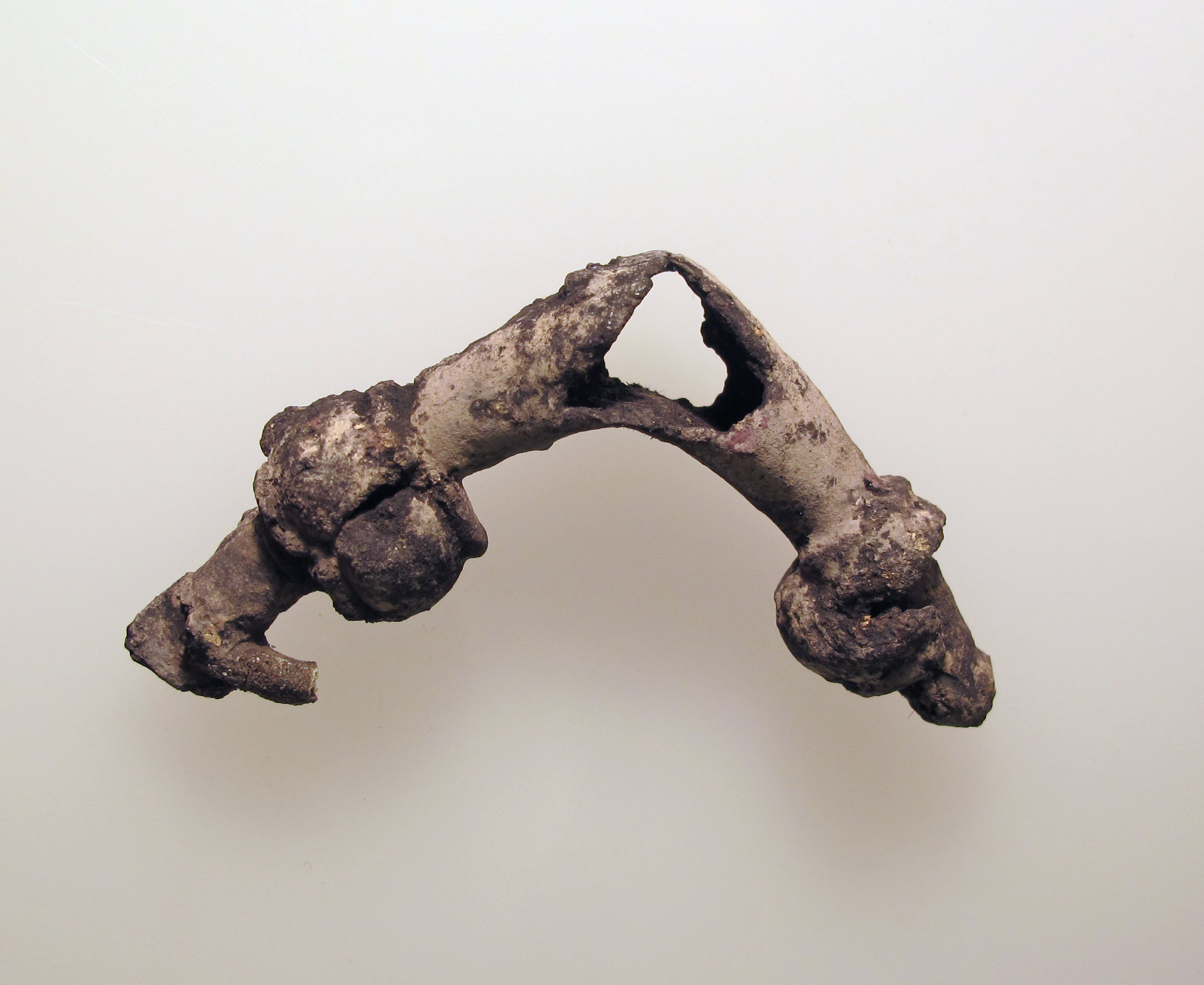
The Silver Fibula: A Cypriot Legacy of Fastening Power and Prestige
In the rarefied echelons of high-end luxury, where heritage is not merely referenced but meticulously curated, the silver fibula of Cyprus emerges as a profound artifact of enduring significance. For Katherine Fashion Lab, this ancient clasp—often reductively termed a “safety pin”—represents far more than a functional fastener. It is a testament to the convergence of engineering ingenuity, spiritual protection, and social stratification, offering a compelling blueprint for a 2026 luxury strategy rooted in authenticity and symbolic resonance. This analysis deconstructs the fibula’s layered heritage to position it as a cornerstone of narrative-driven, high-value adornment.
Historical Adornment: The Fibula as a Marker of Identity and Craft
The Cypriot silver fibula, dating from the Geometric to Classical periods (circa 1000–300 BCE), occupies a distinguished place in the annals of Mediterranean dress. Unlike its utilitarian counterparts in less affluent regions, the Cypriot iteration was frequently rendered in precious metal, signaling the island’s strategic position as a nexus of trade and metallurgical expertise. The fibula’s primary function—to secure a cloak or peplos—belied its secondary, more potent role: the articulation of status. In a society where textiles were among the most costly possessions, the fibula served as the terminal point of a garment’s drape, drawing the eye to the shoulder or chest and thereby to the wearer’s wealth and taste.
From a curatorial perspective, the silver fibula’s design vocabulary is instructive. The bow, the pin, and the catchplate were not merely mechanical components but canvases for cultural expression. Cypriot artisans employed filigree, granulation, and repoussé techniques, transforming a quotidian object into a miniature sculpture. The choice of silver—a metal associated with lunar deities and purity in ancient Cypriot cosmology—elevated the object from the mundane to the sacral. For Katherine Fashion Lab, this historical precedent validates a design philosophy where hardware is not an afterthought but the very essence of the garment’s identity.
Symbolic Power: The Mechanics of Protection and Social Cohesion
To dismiss the fibula as a mere precursor to the modern safety pin is to overlook its profound symbolic power. In ancient Cypriot funerary contexts, fibulae were frequently deposited with the deceased, suggesting a belief in their apotropaic properties. The act of fastening—of closing a gap—was imbued with metaphysical meaning: it was a symbolic sealing of the self against external harm. The sharp pin, often pointed downward when worn, was not merely practical but served as a silent deterrent against malign forces. This duality—of protection and aggression—renders the fibula a potent emblem of personal sovereignty.
Moreover, the fibula’s role in social cohesion cannot be overstated. In ceremonial rites, the exchange or gifting of a fibula signified alliance, betrothal, or allegiance. The act of pinning a cloak was often a communal gesture, performed by a matriarch or priestess, thereby integrating the individual into the collective body politic. For a contemporary luxury house, this symbolism offers a rich narrative vein: the fibula becomes a metaphor for connection—between past and present, between artisan and wearer, and between the physical garment and the wearer’s inner resolve. This is not nostalgia; it is strategic storytelling.
Spiritual Meaning: The Silver Thread to the Divine
Silver, in the Cypriot and broader Levantine tradition, was intrinsically linked to the divine feminine and to lunar cycles. The metal’s malleability and reflective quality were perceived as conduits to the supernatural, capable of capturing moonlight and channeling its quiet, protective energy. When fashioned into a fibula, silver was believed to imbue the wearer with clarity of thought and emotional equilibrium. The pin’s insertion into the fabric was a micro-ritual, a daily reaffirmation of one’s place in the cosmic order.
In the context of Katherine Fashion Lab’s 2026 strategy, this spiritual dimension offers a distinct competitive advantage in a market saturated with overt branding. The fibula’s spiritual resonance can be translated into a “quiet luxury” language—one that speaks to inner strength rather than external display. By positioning the fibula as a talismanic object, the brand can appeal to a discerning clientele seeking meaning in their acquisitions. The narrative should emphasize the act of fastening as a moment of intention, a pause in the day to secure one’s purpose. This elevates the product from commodity to ritual object, justifying a premium price point grounded in emotional and spiritual value.
Strategic Application: The 2026 High-End Luxury Roadmap
For Katherine Fashion Lab, the silver fibula is not a historical curiosity but a strategic asset for 2026. The luxury market is currently undergoing a paradigm shift from logo-centric ostentation to heritage-driven discretion. The fibula, with its understated yet potent symbolism, aligns perfectly with this trajectory. The brand should deploy a three-pronged strategy: Artisanal Revival, Modular Integration, and Ritualistic Marketing.
First, Artisanal Revival necessitates a collaboration with master silversmiths, ideally from the Eastern Mediterranean, to recreate the fibula using period-accurate techniques. This is not a replica exercise but a contemporary reinterpretation—perhaps scaled for modern tailoring or used as a closure for evening outerwear. The production process should be documented and shared as part of a “maison’s archive” narrative, reinforcing the brand’s commitment to slow, meaningful craftsmanship. The rarity of hand-forged silver, in an era of mass-produced hardware, will inherently position the product as an heirloom.
Second, Modular Integration involves designing the fibula as a transformative element within a capsule collection. For example, a cashmere cape or a structured wool coat could feature interchangeable fibulae, allowing the wearer to alter the silhouette and symbolic energy of the piece. This modularity speaks to the modern consumer’s desire for versatility and personalization, while simultaneously honoring the fibula’s original function as a dynamic, adjustable fastener. The silver pin becomes the brand’s signature “clasp,” a recognizable yet non-intrusive marker of Katherine Fashion Lab’s heritage acumen.
Finally, Ritualistic Marketing should frame the acquisition and wearing of the fibula as a ceremonial act. The brand could host private “fastening ceremonies” in flagship boutiques, where clients are invited to have their garment pinned by a trained artisan, accompanied by a narrative of the object’s Cypriot provenance. Digital content should emphasize the tactile and auditory experience—the cool weight of silver, the soft click of the catchplate. This approach transforms a purchase into a memory, fostering deep brand loyalty and generating organic word-of-mouth within elite circles.
Conclusion: A Pin to Anchor the Future
The silver fibula of Cyprus is a masterclass in the fusion of function and meaning. For Katherine Fashion Lab, it offers a rare opportunity to anchor a 2026 luxury strategy in archaeological truth and spiritual depth, rather than ephemeral trends. By reviving this ancient clasp, the brand does not simply sell an accessory; it offers a piece of history, a talisman of protection, and a marker of refined taste. In a market where authenticity is the ultimate currency, the fibula is not merely a safety pin—it is a safe harbor of heritage, ready to fasten the future of the maison.