Deconstructing the Arena: A Couture Analysis of the Japanese Wrestling Costume
The world of professional wrestling presents a unique sartorial paradox. It is a realm where performative violence meets theatrical spectacle, and nowhere is this duality more exquisitely expressed than in the Japanese wrestling costume. Far removed from the spandex-centric uniforms of Western counterparts, these garments, particularly within the context of iconic promotions like New Japan Pro-Wrestling, are profound artifacts of cultural narrative, personal mythology, and sartorial craftsmanship. For Katherine Fashion Lab, this costume offers a standalone study in how material, symbolism, and context converge to create a powerful, wearable identity that operates at the intersection of sport, art, and ceremony.
The Silk Foundation: A Subversion of Expectation
The foundational choice of silk is the first and most critical act of subversion. In a discipline associated with sweat, impact, and grit, the selection of a textile synonymous with luxury, delicacy, and traditional refinement is a deliberate and potent statement. This is not mere costume; it is regalia. The use of silk, specifically in the form of kimono-inspired robes or elaborate entrance attire, immediately elevates the wrestler from athlete to modern-day samurai or mythic hero. The fabric’s inherent properties contribute to the drama: its fluid drape creates majestic silhouettes that billow with movement, while its luminous surface interacts dynamically with arena lighting, ensuring the performer is the singular focal point. The silk robe functions as a ceremonial shell, a transformative layer that is shed to reveal the functional combat gear beneath, mirroring the ritualistic shedding of a haori coat before battle. This moment of disrobing is a key part of the performance, heightening anticipation and symbolizing the transition from majestic persona to focused combatant.
The Language of Gold and Embroidery: Narrative in Thread
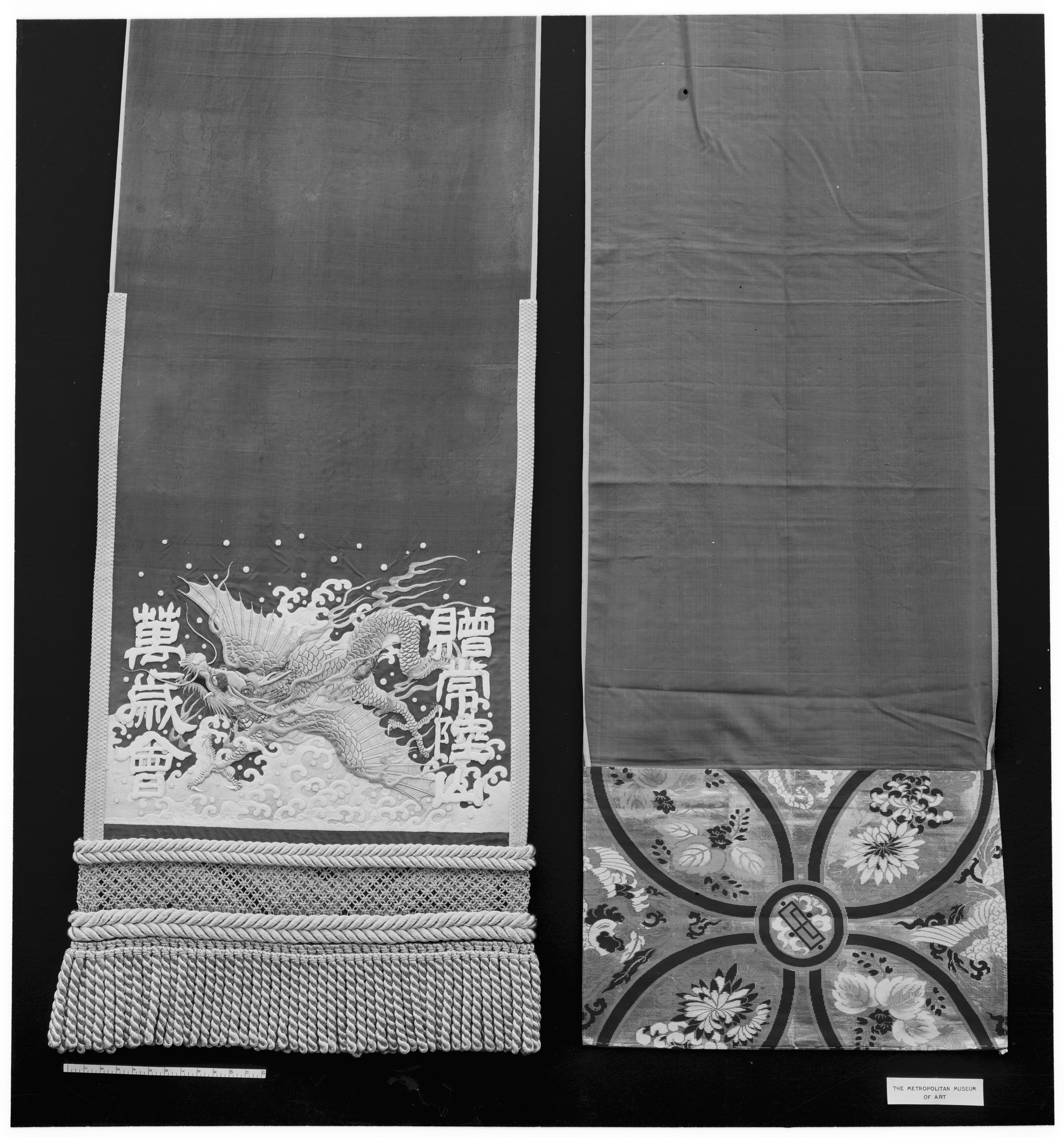
Upon this silk canvas, the application of gold embroidery writes a visual biography. This is where personal and cultural iconography fuse. The embroidery is rarely merely decorative; it is heraldic. Common motifs include dragons, symbolizing immense power, wisdom, and ferocity; tigers, representing courage and unstoppable force; and phoenixes, echoing themes of resilience and rebirth. Floral patterns, such as the cherry blossom (sakura), might be incorporated to signify the ephemeral beauty and tragic transience of a wrestling career—a life of brilliance lived intensely but, like the blossom, potentially short-lived.
The technical execution of this embroidery is paramount. Often employing techniques akin to Japanese nihon shishu (embroidery) or the raised, textured effects of zukoshi, the work adds a tangible, three-dimensional weight to the garment. Each stitch is a commitment, a metaphor for the discipline and pain required in the wrestler’s craft. The gold thread itself, catching and reflecting light with every step toward the ring, creates a moving halo, a visual representation of the wrestler’s energy (ki) or fighting spirit (konjo). The density and placement of the embroidery are carefully calibrated—often concentrated on the back of a robe, making a lasting impression as the wrestler walks away, or across the shoulders, amplifying the perceived breadth and power of the wearer.
Cultural Context: From Dohyō to Atelier
To fully appreciate this as a couture object, one must understand its native ecosystem. Japanese professional wrestling (puroresu) is deeply influenced by the country’s theatrical traditions, such as Kabuki and Noh. Like a Kabuki actor’s kumadori makeup, which uses bold lines to symbolize a character’s nature, the wrestling costume externalizes the fighter’s essence. The ring itself is seen as a sacred space (dohyō, a term borrowed from sumo), and entering it demands respect and ritual purification, of which the adorned robe is a key component.
Furthermore, the creation of these pieces often involves a collaboration between the wrestler and specialized artisans, blurring the line between sports equipment and commissioned art. The wrestler provides the narrative—their origin story, their philosophical alignment (face or heel), their aspirational identity. The artisan translates this into symbolic visual language through textile. This process mirrors the relationship between a haute couture designer and a client, where a garment is engineered to project a specific, powerful identity to the world. The costume becomes an integral part of the wrestler’s "brand," a instantly recognizable logo that is felt emotionally by the audience before a single move is executed.
A Standalone Study in Wearable Power
As a standalone subject for fashion analysis, the Japanese wrestling costume is a masterclass in conceptual dressing. It demonstrates how material contradiction can generate meaning: fragile silk embodies resilience, opulent gold signifies the grit of combat. It showcases narrative construction through embellishment, where embroidery functions as a textual medium. Most importantly, it exemplifies the principle of garment as psychological armor. The wrestler does not merely wear the costume; he is inhabited by it. It facilitates a transformation, allowing the individual to step into a larger-than-life archetype capable of epic struggle and symbolic storytelling.
For the fashion theorist, this costume challenges rigid categorizations. It exists in a hybrid space: it is performance wear, ceremonial garb, and personal branding, all synthesized into one. Its value lies not in seasonal trends but in its enduring narrative power and its flawless execution of craft in service of character. In analyzing this garment, Katherine Fashion Lab recognizes that true couture is not defined solely by a Parisian atelier but by any process where unparalleled artistry, deep cultural resonance, and a singular personal vision are woven, quite literally, into a definitive statement of identity and power.