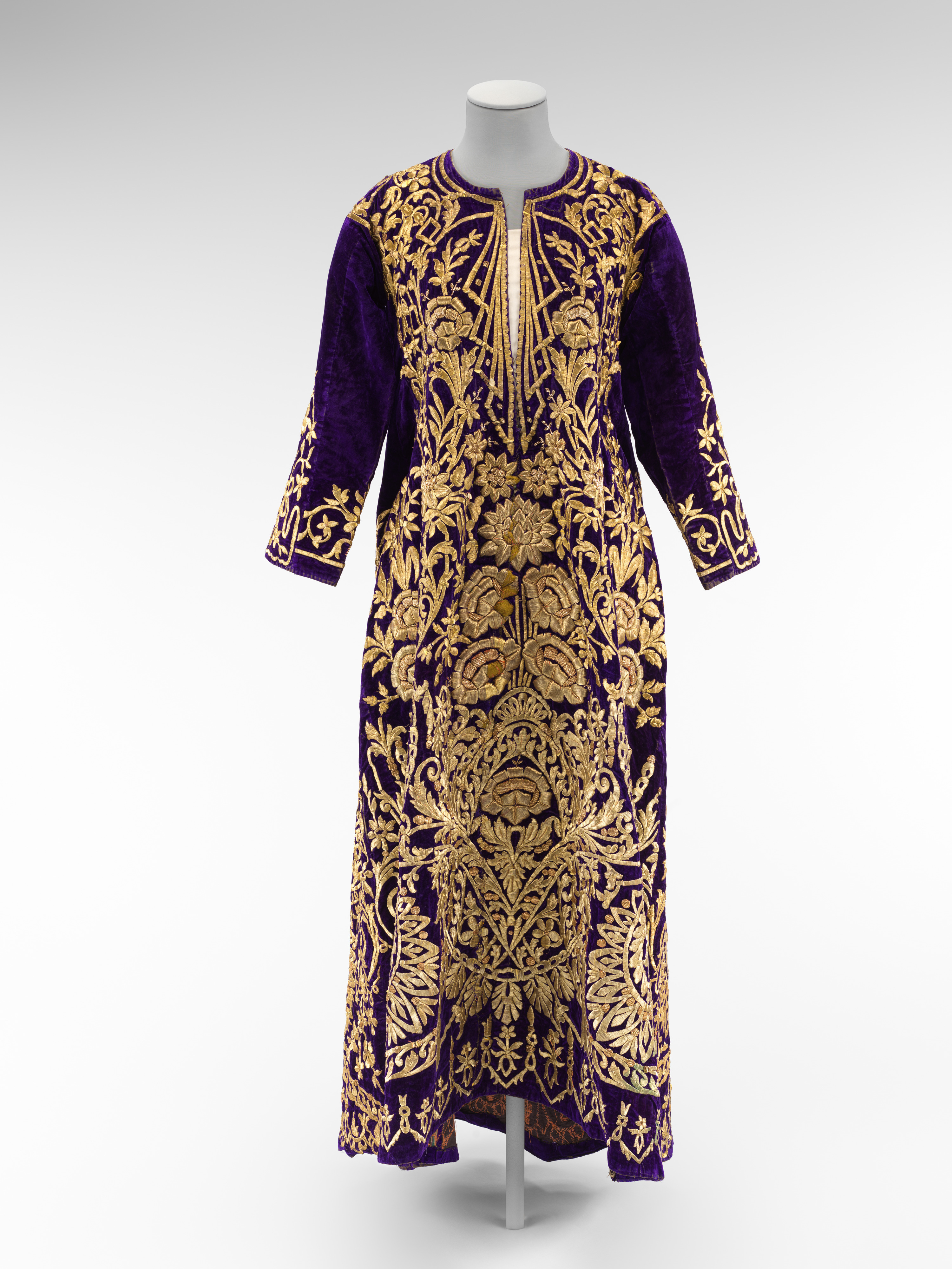
The Bindalli Wedding Dress: A Study in Embodied Heritage
The Bindalli wedding dress, a cornerstone of the Katherine Fashion Lab’s Global Heritage collection, is far more than a garment; it is a portable archive of cultural memory, a testament to artisanal endurance, and a complex negotiation between the personal and the communal. In this standalone study, we move beyond the surface of its shimmering threads to interrogate the dress as a material object, a social document, and a living artifact of transnational identity. This analysis positions the Bindalli not as a relic of a static past, but as a dynamic, evolving text that continues to speak to contemporary questions of belonging, craftsmanship, and the economics of tradition.
Material Poetics: Cotton, Metal, and the Grammar of Light
At its most fundamental level, the Bindalli dress is an exercise in deliberate material contrast. The base of fine, high-thread-count cotton serves not as a passive canvas but as an active collaborator. Its supple drape and breathable structure were historically chosen for the Ottoman climate, yet its true genius lies in its optical neutrality. The cotton’s matte, off-white surface absorbs light, creating a deep, velvety backdrop that allows the metal-wrapped thread to perform with maximum luminosity. This is not a fabric meant to be seen; it is a fabric meant to be *read*.
The thread itself—typically a core of silk or cotton tightly wound with a thin strip of gilded or silvered metal—represents a profound technical mastery. Unlike modern synthetic metallics, this historical thread possesses a subtle irregularity, a slight variation in gauge and twist that catches the light in a thousand micro-reflections. The result is a surface that appears to breathe, shifting from a burnished gold to a cool silver depending on the angle of view and the movement of the wearer. This is not mere decoration; it is a sophisticated manipulation of specular and diffuse reflection, creating a kinetic, three-dimensional visual experience that static photography can never fully capture. The weight of the dress—substantial yet not oppressive—is a physical reminder of the hours of handwork embedded within each square inch.
Cartographies of Stitch: Reading the Embroidered Narrative
The embroidery on this Bindalli is not random ornamentation but a structured, hierarchical language. The design follows a rigorous compositional logic, typically radiating from a central axis. The dense, raised motifs—often stylized tulips, carnations, and hyacinths—are not merely botanical illustrations but symbolic signifiers. In Ottoman floral iconography, the tulip represents divine perfection and abundance; the carnation signifies love and fidelity; the hyacinth, rebirth and the spring of life. Together, they form a protective, auspicious constellation meant to bless the marriage and the new household.
More critical is the technical distinction between the primary and secondary embroidery. The primary motifs are executed in a heavy, padded metal thread technique (often dival or maraş work), where the thread is laid over a cardboard or felt padding and secured with tiny, invisible couching stitches. This creates a high-relief, almost sculptural texture that invites touch. The secondary ground is filled with a finer, denser pattern—often a delicate geometric lattice or a scattering of tiny stars and dots—worked in a flat, satin stitch. This dual system creates a rhythmic visual hierarchy: the eye moves from the bold, tactile peaks of the primary motifs to the intricate, shimmering valleys of the secondary fill. This is a masterclass in negative space management, where the unembroidered cotton is as important as the embroidered areas, allowing the composition to breathe and preventing visual overload.
Contextual Archaeology: The Bindalli in the Ottoman and Post-Ottoman World
To understand this dress, one must situate it within its socio-economic matrix. The Bindalli tradition, which flourished during the late Ottoman period and persisted through the early Republican era in Turkey and the Balkans, was a marker of social standing and communal wealth. The cost of materials—particularly the precious metal thread—and the sheer labor hours (often 200-300 hours of work by a specialist nakkaş or embroidery artisan) made these dresses significant family investments. They were often passed down through generations, not merely as heirlooms but as liquid assets, a form of wearable wealth that could be pawned or sold in times of crisis.
The dress’s construction also reveals a complex division of labor. The cotton base would be woven locally, but the metal thread often came from specialized workshops in major urban centers like Bursa or Istanbul. The embroidery itself was typically a cottage industry, executed by women in their homes, often in a collaborative, communal setting. This feminine economy of production is crucial. The Bindalli was not designed by a single couturier but emerged from a collective, intergenerational knowledge base, with patterns and techniques shared and refined across communities. The dress, therefore, embodies a distributed authorship, a form of design that predates the modern cult of the individual designer.
From Heirloom to Heritage: The Bindalli in the Global Present
In the context of the Katherine Fashion Lab, this Bindalli dress is presented not as a costume but as a case study in sustainable luxury and cultural continuity. Its value proposition is antithetical to fast fashion: it is designed for permanence, not obsolescence. The dress’s physical integrity—its ability to be repaired, re-embroidered, and re-purposed—challenges the contemporary logic of disposable garments.
Moreover, the dress’s journey from a regional Ottoman tradition to a global heritage object raises critical questions about cultural appropriation versus appreciation. For a contemporary designer or scholar, the Bindalli offers a rich lexicon of techniques—from the handling of metallic threads to the strategic use of relief and density—that can be translated into modern, non-traditional forms. However, this translation must be done with ethical rigor, acknowledging the original context, the artisans’ knowledge, and the dress’s sacred, ceremonial function. The Bindalli is not a mere aesthetic source to be mined for motifs; it is a complete philosophical system of making, valuing, and wearing.
Finally, the dress’s current place in the Lab’s archive as a standalone study allows for a focused, phenomenological analysis. Removed from the body, it becomes a two-dimensional map of a three-dimensional lived experience. Yet, even on a mannequin, it retains a powerful prosthetic agency. Its weight, its shimmer, its intricate topography all suggest the presence of the body it once enveloped. It speaks of the bride’s posture, her movement, her transformation from daughter to wife, from an individual to a symbol of her family’s honor.
Synthesis: A Material Philosophy of Endurance
In conclusion, the Bindalli wedding dress is a profound object lesson in the power of slow, deliberate, and meaningful making. It demonstrates that luxury is not a function of brand name or price point, but of material integrity, technical virtuosity, and cultural resonance. The dress’s cotton and metal threads are not just fibers; they are conduits of memory, labor, and aspiration. Its embroidery is not just decoration; it is a written language of hope and protection. As a standalone study, it compels us to reconsider our own relationship to clothing—to ask not “how much does this cost?” but “what is this worth?” The answer, as this analysis demonstrates, is immeasurable. The Bindalli is a testament to the enduring human need to create objects of beauty that transcend the fleeting moment, bridging the gap between the artisan’s hand and the wearer’s soul, and between a specific cultural past and a shared global future. It is, in the truest sense, a wearable heritage.