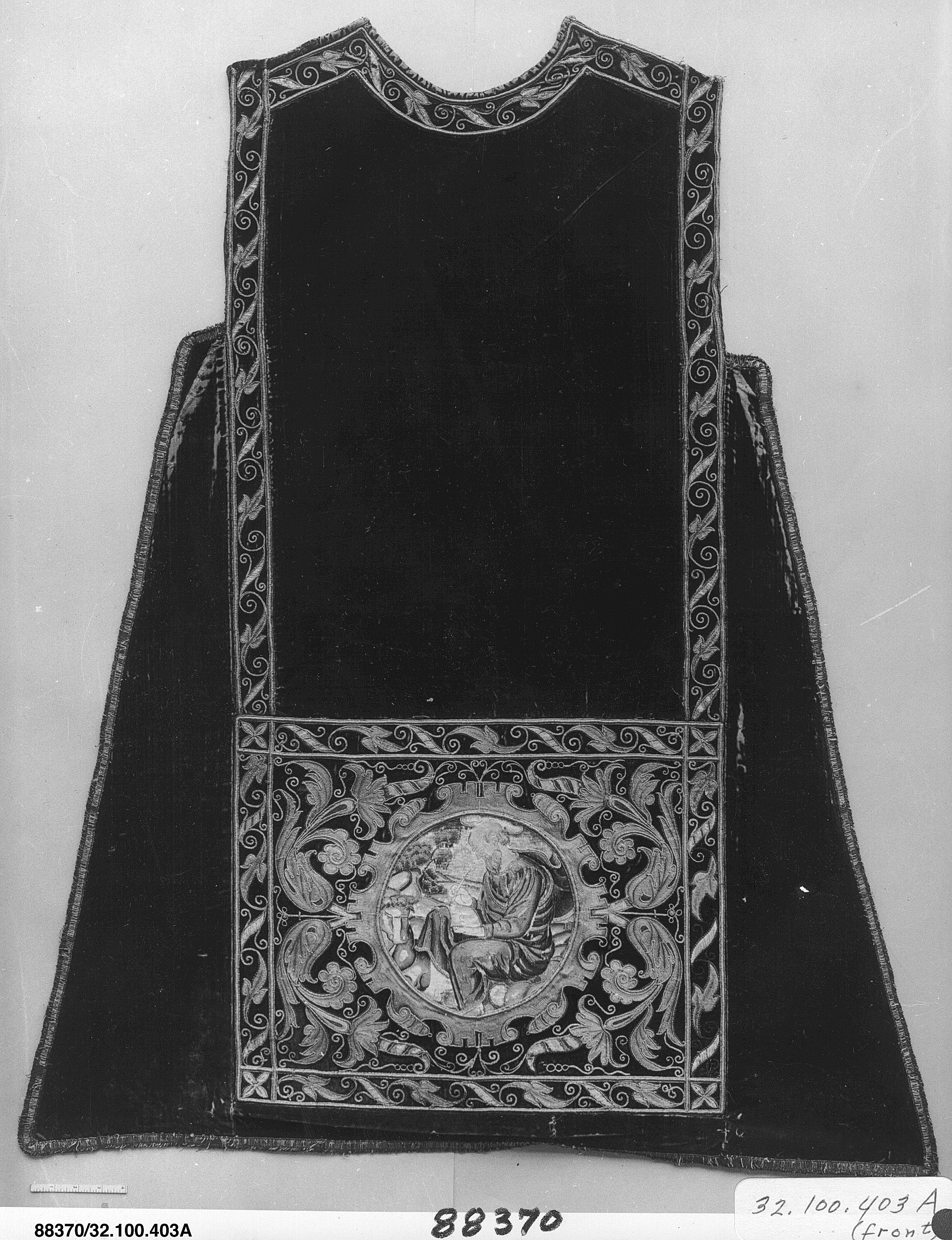
The Dalmatic Front: A Heritage Analysis for Katherine Fashion Lab
Introduction: The Vestment as a Strategic Artifact
The dalmatic front, a liturgical tunic of ancient origin, represents one of the most potent intersections of sartorial engineering, spiritual authority, and political symbolism in the history of adornment. For Katherine Fashion Lab, this artifact is not merely a relic but a strategic blueprint for 2026 high-end luxury positioning. Woven in silk and metal thread, the dalmatic front embodies a paradox: it is simultaneously a garment of humility (worn beneath heavier vestments) and a declaration of cosmic power (adorned with metallic luminosity). This analysis deconstructs its symbolic power, historical adornment practices, and spiritual meaning, translating them into a coherent, MBA-grade luxury strategy for the coming year.
Symbolic Power: The Grammar of Authority
The dalmatic’s symbolic power lies in its deliberate visual hierarchy. In ancient civilizations, particularly within the late Roman and early Byzantine empires, the dalmatic front was not a casual cover; it was a controlled narrative. The use of silk—a material that traveled the Silk Road and was often reserved for imperial and ecclesiastical elites—signaled access to global trade networks. The metal thread, typically gold or silver-gilt, was not decorative whimsy but a calculated reflection of divine light. When a figure moved, the metal threads caught lamplight and candlelight, creating a shimmering effect that suggested an otherworldly presence. This is the core of symbolic power: it is not about what the garment says in text but what it does in space. For the modern luxury consumer, this translates into an unspoken language of exclusivity. The dalmatic teaches that power is not loud; it is luminous. Katherine Fashion Lab can leverage this by designing pieces that use metallic accents not as embellishment but as architectural light sources, creating garments that command attention without a single word.
Historical Adornment: The Craft of Sacred Labor
Historical adornment of the dalmatic front was a discipline of extreme labor intensity. Unlike modern fast-fashion production, a single dalmatic could take months, sometimes years, to complete. The silk was often woven in specialized workshops, and the metal thread was hand-twisted around a silk core—a technique known as filé or passementerie. The embroidery itself, often depicting scenes of Christ, saints, or geometric paradise motifs, was executed by artisans who were considered to be performing a devotional act. This historical context is crucial for a 2026 luxury strategy. The modern high-net-worth individual is increasingly rejecting the sterile perfection of machine-made goods in favor of visible human intervention. The dalmatic front offers a template for what Katherine Fashion Lab might call “sacred slowness.” By reintroducing hand-twisted metal threads, hand-finished seams, and embroidery that is intentionally imperfect in its human touch, the brand can position itself as the antithesis of algorithmic design. The historical dalmatic was not merely worn; it was inhabited by the maker’s devotion. In 2026, the luxury client seeks to inhabit garments that carry a similar weight of intention, not just as a status marker but as a repository of skill.
Spiritual Meaning: The Garment as a Threshold
Spiritually, the dalmatic front functioned as a liminal object—a threshold between the earthly and the divine. In ancient Christian liturgy, the dalmatic was worn over the alb (a white linen tunic symbolizing purity) and under the chasuble (the outer vestment symbolizing charity). This layering was not accidental; it created a vertical axis of meaning. The dalmatic, with its heavy silk and metal, represented the weight of worldly responsibility carried by the priest, while its metallic shimmer hinted at the incorruptible nature of the soul. The front panel, often the most decorated, was positioned directly over the wearer’s chest—the seat of the heart and breath. This is a profound spiritual lesson for luxury design: the garment is not a shell but a conductor. For Katherine Fashion Lab, this suggests a 2026 collection that prioritizes kinetic spirituality. Rather than static prints, the brand could explore garments that change appearance with movement—using pleats, light-reactive threads, or reversible fabrics—to evoke the dalmatic’s sense of a living, breathing object. The spiritual meaning is not about religious iconography but about creating a personal ritual for the wearer, a moment of pause before entering the world. A luxury garment should not merely cover; it should center.
2026 High-End Luxury Strategy: Translating Heritage into Demand
To translate this heritage into a viable 2026 strategy, Katherine Fashion Lab must move beyond “inspired by” collections and adopt a provenance-driven architecture. The following strategic pillars emerge from the dalmatic analysis:
Pillar One: Material Sovereignty
The dalmatic’s power derived from material rarity. In 2026, the brand should secure exclusive, traceable silk and ethically sourced metal threads, positioning these as “investment-grade materials.” This is not about cost per meter but about narrative density. Each garment should come with a digital provenance certificate, detailing the origin of the silk, the artisan who spun the metal thread, and the hours of handwork. This transforms a purchase into an acquisition of cultural capital, aligning with the luxury market’s shift toward verifiable heritage.
Pillar Two: The “Relic” Capsule
Introduce a limited capsule of 12 pieces, each named after a historical dalmatic motif (e.g., “The Paradise Grid,” “The Vine of Light”). These pieces should be produced in extremely low runs, with visible hand-stitching and asymmetrical metallic embroidery that references the ancient front panels. The marketing narrative should focus on the ritual of dressing—encouraging clients to view the garment as a ceremonial object, not casual wear. This aligns with the growing trend of “quiet luxury” but elevates it to “sacred luxury,” where the quietness is filled with spiritual resonance rather than minimalist emptiness.
Pillar Three: Experiential Liturgy
Luxury in 2026 is experiential. Katherine Fashion Lab should host private “vesting rituals” in flagship stores, where clients are guided through the layering process—learning about the symbolism of each layer, from raw silk base to metallic front. This is a direct adaptation of the dalmatic’s liturgical use. By turning the fitting room into a space of reflection, the brand creates an emotional bond that cannot be replicated by e-commerce. The sales associate becomes a “curator of meaning,” not a seller of goods.
Pillar Four: The Anti-Trend Position
The dalmatic front is timeless because it was never subject to seasonal whim. For 2026, the strategy must explicitly reject the rapid-cycle trend model. Instead, Katherine Fashion Lab should announce that its dalmatic-derived pieces will remain in the collection for a minimum of three years, with annual updates in material or hue. This creates a secondary market of anticipation, where clients wait for the next iteration, similar to how collectors await a new art edition. This builds long-term brand equity and reduces markdown risk, a critical financial metric for luxury houses.
Conclusion: The Vestment as a Modern Currency
The dalmatic front is more than a historical artifact; it is a masterclass in the economics of meaning. Its power was not accidental but engineered through material scarcity, labor devotion, and spiritual layering. For Katherine Fashion Lab, the 2026 strategy must be equally deliberate. By adopting the dalmatic’s principles—material sovereignty, sacred slowness, kinetic spirituality, and anti-trend permanence—the brand can offer something the contemporary market desperately lacks: a garment that carries weight. In a world of digital noise, the dalmatic front reminds us that true luxury is silent, luminous, and deeply rooted in the human hand. Katherine Fashion Lab is poised not to copy this heritage but to become its next custodian.