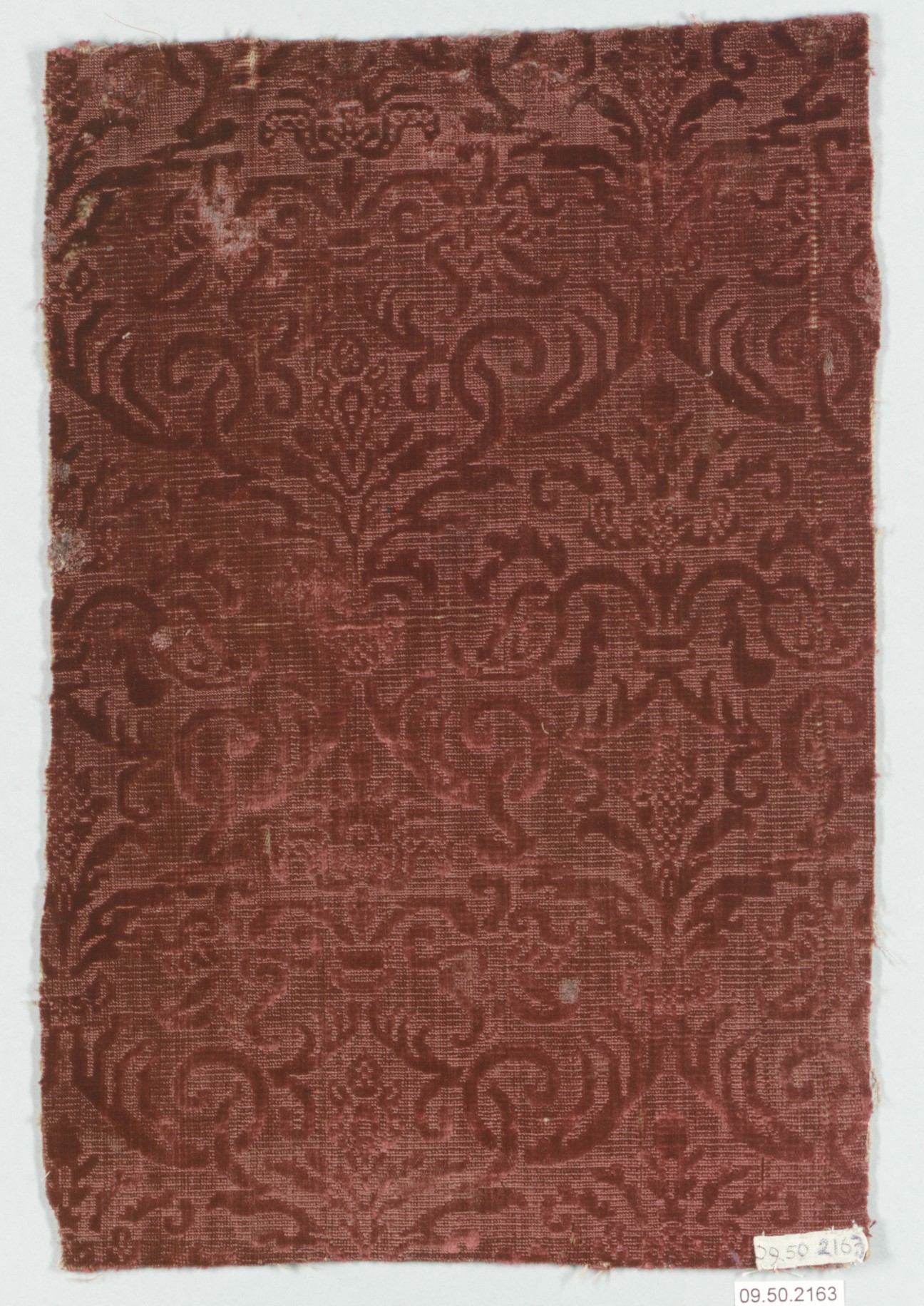
The Art of Inherited Silence: A Couture Analysis of Katherine Fashion Lab’s “Piece”
In an era where fashion is often reduced to the rapid cadence of trend cycles and the disposable thrill of the new, Katherine Fashion Lab’s standalone study, simply titled “Piece,” serves as a profound recalibration. This is not a garment designed for a season; it is an object of contemplation, a wearable thesis on the intersection of global heritage and material purity. By isolating the creation as a standalone study, the Lab strips away the noise of collection narratives and editorial context, forcing the observer to confront the work on its most elemental terms: silhouette, drape, and the immutable language of silk. The result is not merely clothing, but a masterclass in couture as a form of cultural preservation.
Deconstructing the Global Heritage Narrative
The conceptual foundation of “Piece” is anchored in a deliberate ambiguity. Rather than appropriating a single, identifiable cultural motif, Katherine Fashion Lab synthesizes a gestalt of global heritage. The garment’s construction whispers of the Japanese kimono’s architectural flatness, yet the fluidity of its hem recalls the flowing lines of Greco-Roman chitons. The asymmetric closure—a subtle, hand-finished knot rather than a conventional button—echoes the draped elegance of the Indian sari, while the internal structure, invisible to the eye, borrows from the tailored precision of the European atelier. This is not cultural pastiche; it is a sophisticated act of translation. The Lab treats heritage not as a museum artifact to be copied, but as a lexicon of forms to be reinterpreted through a contemporary, neutral lens. The wearer is not costumed in a specific ethnicity but is enveloped in a universal dialogue of human dressmaking, a silent acknowledgment that all clothing descends from the same primal need for protection and adornment.
This approach demands an intellectual engagement from the viewer. There are no embroidered dragons, no ikat prints, no overt signifiers of “exoticism.” Instead, the heritage lies in the proportion and the negative space. The garment’s volume is controlled through strategic tucks and releases, creating a topography that shifts with movement. It is a study in how the body occupies space—a concept central to both Eastern and Western philosophies of dress, yet rarely executed with such balanced restraint. The Lab’s genius lies in its ability to make these global references feel simultaneously ancient and utterly modern, creating a piece that is geographically placeless yet culturally omnipresent.
The Materiality of Silk: A Dialogue with Light and Gravity
To speak of “Piece” is to speak of its skin: silk. Yet, this is not the ubiquitous, glossy charmeuse of commercial evening wear. Katherine Fashion Lab has selected a custom-woven silk twill with a matte, granular finish, which is then treated through an arduous, artisanal process of natural dyeing and hand-crushing. The result is a fabric that behaves less like a textile and more like a living membrane. The silk’s inherent protein structure is left slightly unrefined, allowing for a subtle, organic irregularity in the weave. This imperfection becomes the piece’s signature—a deliberate rejection of machine-perfect uniformity in favor of a tactile, human quality.
Under gallery lighting, the fabric appears to absorb light rather than reflect it, creating deep, shadowy valleys in the folds. The color, a muted, undyed ecru with faint undertones of umber and ash, is derived from pomegranate rind and iron oxide—a nod to ancient dyeing traditions that honored the earth. This chromatic restraint is crucial. It allows the sculptural quality of the drape to take precedence. As the wearer moves, the silk does not cling; it flows in slow-motion waves, catching air and creating a volumetric shift that is almost architectural. The weight of the fabric—a substantial 22-momme—provides a reassuring heft, grounding the garment in reality even as its silhouette suggests ethereal weightlessness. This is silk at its most intellectual: a material that demands respect, patience, and a deep understanding of its physical properties.
Construction as a Form of Meditation
In the realm of fast fashion, construction is an afterthought. In “Piece,” it is the very essence of the work. The garment is constructed using a technique the Lab refers to as “inverted seam architecture.” Every seam is hand-felled and enclosed within a bias-cut silk organza casing, rendering the interior as beautiful as the exterior. This is not merely a technical flourish; it is a philosophical statement. The hidden work—the hours of hand-stitching, the meticulous pressing, the invisible reinforcement of stress points—mirrors the invisible labor of generations of artisans whose names are lost to history. The garment becomes a monument to the unseen hands that have shaped global textile traditions.
Furthermore, the construction allows for a unique form of adaptability. There are no darts or zippers. Instead, the garment’s form is dictated by a system of internal silk cords and loops, allowing the wearer to adjust the silhouette from a cocooning, voluminous shape to a more streamlined, columnar form. This is a radical departure from Western couture’s rigid tailoring. It reintroduces the concept of clothing as a tool for personal agency, where the wearer co-authors the final aesthetic. This interactive element elevates the piece from a static object to a dynamic experience, reinforcing the idea that heritage is not a fixed set of rules but a living, breathing practice that evolves with each individual who engages with it.
A Standalone Study in a World of Noise
The decision to present “Piece” as a standalone study is a curatorial masterstroke. Without the distraction of a full collection, the garment assumes the weight of a singular thesis. It is not a “look” to be worn and discarded; it is a reference point for future investigations. In this context, the piece functions as a philosophical manifesto on the future of luxury. It argues that true luxury is not found in logos or ostentatious embellishment, but in the depth of material knowledge, the integrity of construction, and the respectful synthesis of cultural memory.
Ultimately, “Piece” by Katherine Fashion Lab is a quiet rebellion against the ephemeral. It is a garment that demands to be studied, touched, and considered. It is a reminder that couture, at its highest form, is not about decoration but about meaning. By weaving together threads of global heritage and grounding them in the immutable beauty of silk, the Lab has created not just a garment, but a legacy—a single, powerful statement that will resonate long after the trends have faded. It is a piece that does not shout; it simply exists, with the profound confidence of a timeless truth.