The Enduring Circle: A Heritage Analysis of Iranian Copper and Bronze Rings for Katherine Fashion Lab
Introduction: The Ring as a Cultural Archive
The ring, in its most elemental form, is a closed loop. Yet within that simple geometric truth lies an immense capacity for narrative, status, and metaphysical protection. For Katherine Fashion Lab, the exploration of Iranian copper and bronze rings is not an exercise in antiquarian curiosity; it is a strategic engagement with a civilization whose material culture speaks to a profound understanding of symbolic power. This analysis deconstructs the historical and spiritual significance of these artifacts and translates their intrinsic value into a cogent, high-end luxury strategy for the 2026 collection cycle. The objective is not to replicate the past, but to distill its essence into a contemporary object of desire that carries the weight of heritage without the burden of nostalgia.
Historical Adornment: The Metallurgical Lineage of Power
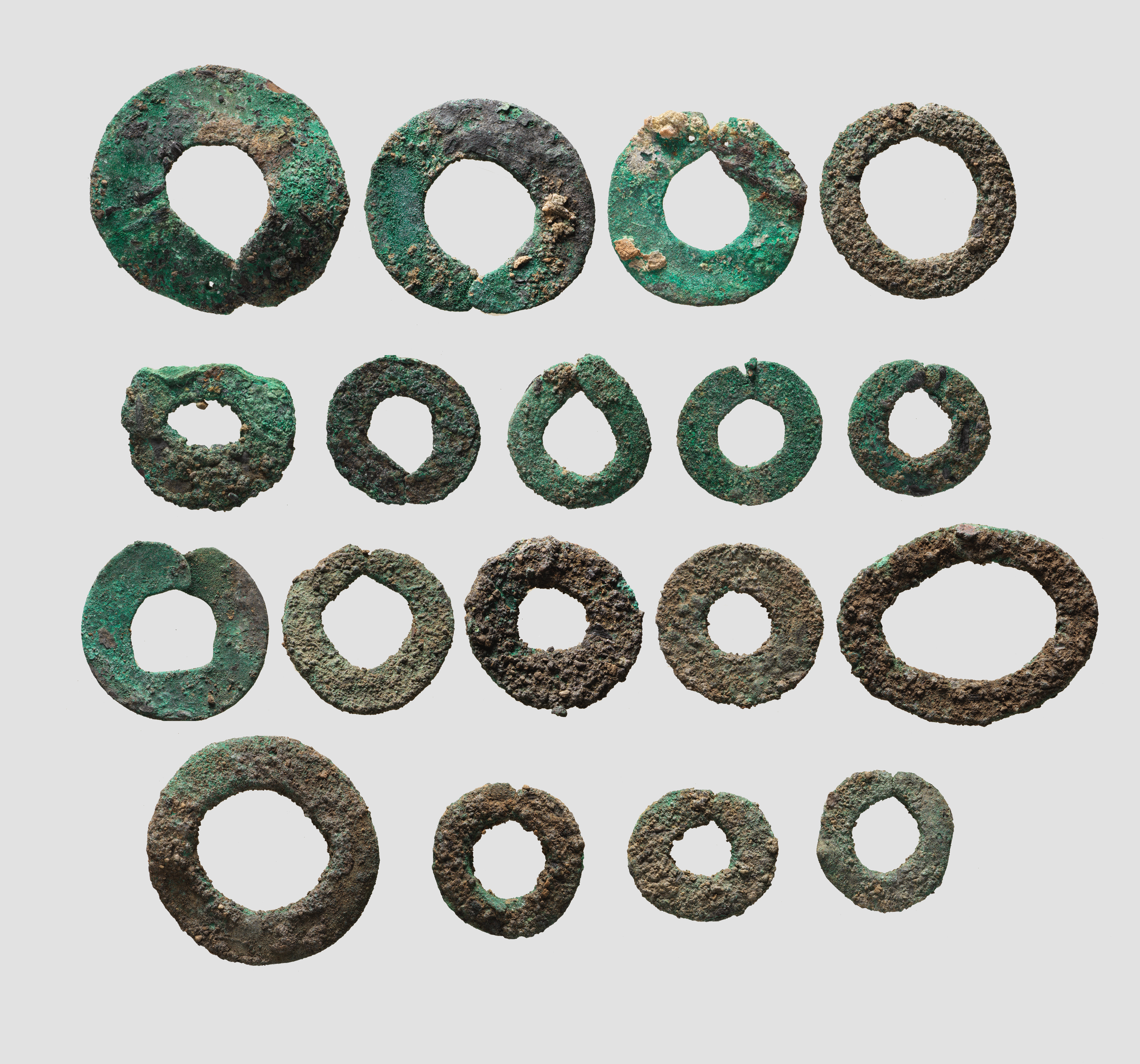
From the dawn of the Elamite kingdoms to the zenith of the Achaemenid and Sassanian empires, metallurgy in Iran was a state-sponsored art form. Copper and bronze, while less precious than gold or silver, were not merely utilitarian substitutes. They were the metals of the warrior, the artisan, and the common citizen, imbued with a specific kind of terrestrial energy. In the context of historical adornment, the bronze ring served as a social equalizer and a marker of identity. Archaeological finds from sites like Susa and Tepe Sialk reveal rings that were not solely decorative but functional—used as seals for trade, markers of allegiance, and tokens of betrothal. The patina of bronze, which shifts from a bright alloy to a deep, verdigris green, is itself a metaphor for the passage of time and the endurance of the human imprint. For the modern luxury consumer, this patina is not a flaw but a narrative of authenticity, a direct connection to the hands that wore these objects centuries ago.
Symbolic Power and Spiritual Meaning: The Circle of Protection
The spiritual dimension of the Iranian ring transcends its physical form. In Zoroastrian cosmology, which predates and informs much of Persian culture, the circle represents the infinite nature of time and the cyclical renewal of life. The ring, worn on the finger, was believed to create a microcosmic barrier against external malevolent forces—a concept known as the "evil eye" protection. Copper, in particular, was associated with the planet Venus and the goddess Anahita, the deity of fertility, water, and wisdom. Wearing copper was believed to balance the humors of the body, offering a form of metaphysical healing. Bronze, an alloy of copper and tin, was seen as a symbol of strength and resilience, often inscribed with prayers or geometric patterns that served as a silent, constant supplication. The symbolic power here is twofold: it is a talisman for the individual and a signifier of belonging to a broader cultural and cosmic order. In a fragmented contemporary world, this promise of internal coherence and protection is a potent emotional trigger for luxury consumers seeking meaning beyond materiality.
Material Semiotics: The Aesthetic of Earth and Fire
The aesthetic language of these rings is grounded in the elemental forces of earth and fire. Unlike the cold, clinical perfection of high-polish gold, copper and bronze possess a warmth and a mutable surface that invites touch. The handcrafted nature of these historical pieces—visible in the hammer marks and slightly irregular forms—offers a stark contrast to the mass-produced uniformity of contemporary fashion. This imperfection is a luxury asset. In the high-end market, the "artisanal flaw" is often more valuable than machine precision because it signifies human intervention and a unique, non-replicable object. The color palette of copper—ranging from rose to burnt orange—and the deep, earthy browns of aged bronze provide a sophisticated alternative to the standard yellow and white metals of traditional jewelry. This chromatic shift aligns with a 2026 trend toward "earthy luxury," where materials are selected for their organic resonance and their ability to ground the wearer in a sense of place and time.
Strategic Application: The 2026 High-End Luxury Framework
To translate this heritage into a profitable and prestigious 2026 strategy, Katherine Fashion Lab must adopt a three-pronged approach: Narrative Curation, Material Alchemy, and Limited-Series Exclusivity.
Narrative Curation involves more than a product description; it requires the creation of a "provenance story." Each ring collection should be framed not as "copper jewelry" but as "Anahita's Shield" or "Cyrus's Seal." The marketing collateral must include historical context, the specific region of inspiration (e.g., Isfahan vs. Shiraz), and the symbolic function of the piece. This transforms the purchase from a transaction into an acquisition of cultural capital. The luxury client is not buying a ring; they are buying a connection to a lineage of power and protection.
Material Alchemy refers to the contemporary reimagining of the material. While using authentic copper and bronze, the Lab should employ modern metallurgical techniques to create a hypoallergenic base or a unique alloy that increases durability while maintaining the historic patina. The design language should be minimalist and sculptural, allowing the material's inherent color and texture to be the primary protagonist. For instance, a ring could feature a raw, unpolished bronze band juxtaposed with a precisely cut, modern geometric inset—a dialogue between ancient earth and futuristic precision. This satisfies the high-end consumer's desire for innovation while respecting the material's origin.
Limited-Series Exclusivity is critical for pricing power. Each design should be produced in a strictly limited number—perhaps 100 pieces per design worldwide—with a certificate of authenticity detailing the ring's number, the artisan's name, and the historical period of inspiration. This scarcity creates immediate desirability and positions the product as a collectible, akin to a piece of fine art or a limited-edition watch. The pricing strategy should be positioned at a premium tier, justified by the research, the narrative, and the limited availability, rather than the raw cost of the metal itself.
Conclusion: The Future is in the Past
For Katherine Fashion Lab, the Iranian copper and bronze ring is a strategic vehicle for differentiation in a saturated luxury market. By moving beyond the superficial aesthetics of ornamentation and delving into the profound symbolic and spiritual power of these objects, the Lab can offer a product that satisfies a deep-seated human need for meaning, protection, and connection. The 2026 strategy is not about selling jewelry; it is about offering a tangible piece of history that empowers the modern individual with the same aura of resilience and cosmic balance that it provided to its original wearers. In doing so, Katherine Fashion Lab positions itself not merely as a fashion house, but as a curator of cultural memory, where the ancient circle of bronze becomes the ultimate symbol of contemporary prestige.