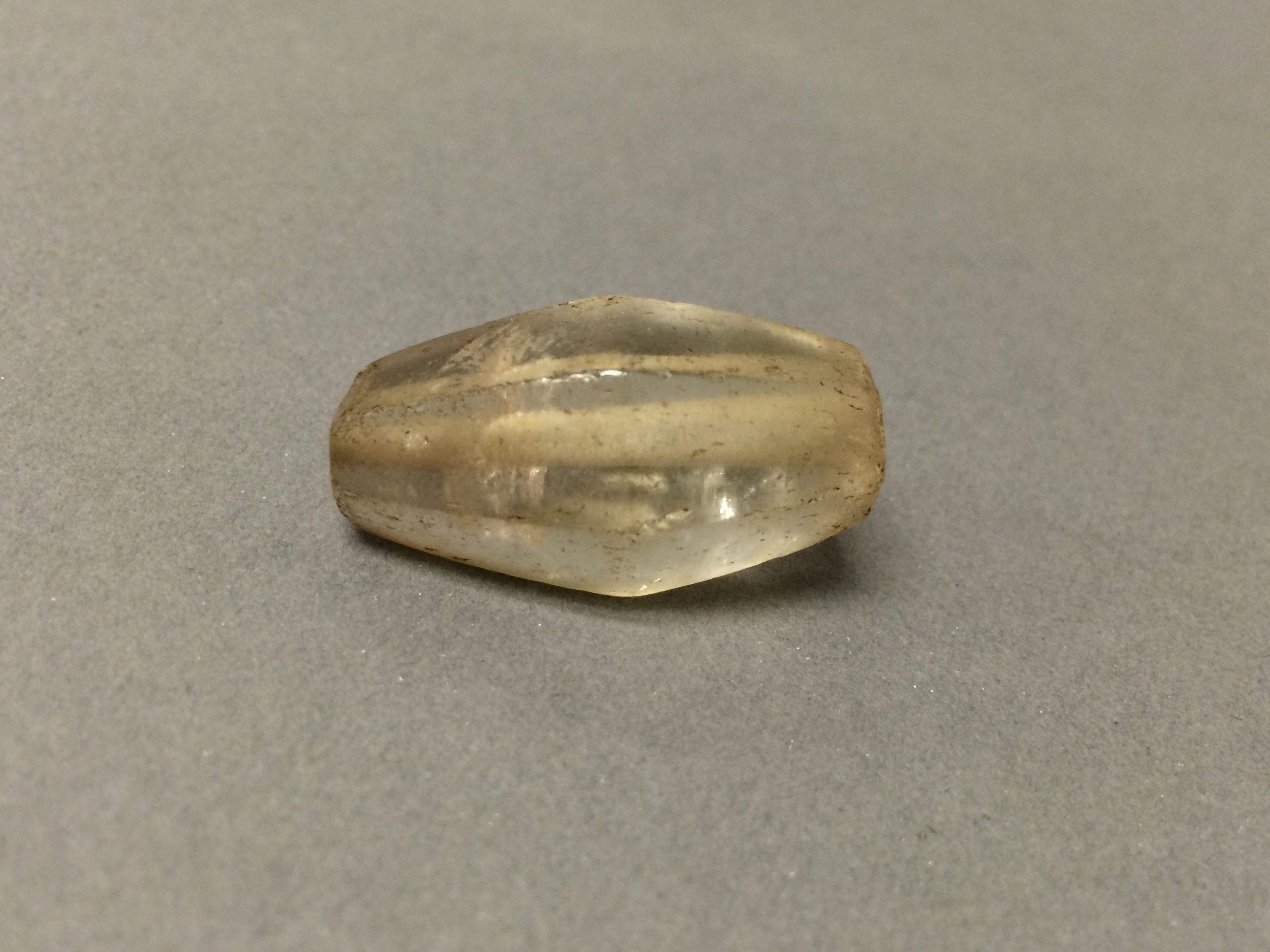
Executive Heritage Analysis: The Japanese Crystal Bead
This research paper presents a comprehensive heritage analysis of the crystal bead within Japanese cultural context, commissioned by Katherine Fashion Lab as a strategic standalone study. The analysis examines the bead’s symbolic power, historical adornment practices, spiritual dimensions, and translates these findings into a forward-looking 2026 high-end luxury strategy. The objective is to equip the brand with a culturally grounded narrative that elevates product storytelling, design direction, and consumer engagement in the premium segment.
Symbolic Power: The Bead as a Microcosm of Japanese Cosmology
In Japanese heritage, the bead—known as tama—is far more than a decorative element. It is a concentrated vessel of spiritual energy, a microcosm of the cosmos, and a mediator between the human and divine realms. Historically, beads were among the earliest forms of personal ornamentation in the archipelago, with jadeite and agate examples dating to the Jōmon period (c. 14,000–300 BCE). However, the introduction of crystal—specifically rock crystal, or suishō—elevated the bead to a status of exceptional sanctity.
Symbolically, crystal beads embody purity, clarity, and the immutable order of nature. In Shinto belief, clear reflective surfaces are considered portals to the divine; the crystal bead’s transparency mirrors the concept of akaki kokoro (a pure, unclouded heart). This symbolic power is not passive. The bead is believed to absorb, amplify, and redirect spiritual energy, functioning as a wearable talisman that protects the wearer from malevolent forces and attracts benevolent kami (spirits). In the imperial regalia, the curved magatama bead—often carved from crystal or jade—symbolizes the sovereign’s legitimacy and the nation’s spiritual vitality, underscoring the bead’s role as an object of immense political and metaphysical authority.
Historical Adornment: From Sacred Relic to Aristocratic Status
The historical trajectory of the crystal bead in Japanese adornment reveals a consistent evolution from sacred relic to aristocratic status marker. During the Kofun period (c. 250–538 CE), crystal beads were interred with elites in burial mounds, serving as both protective amulets for the journey to the afterlife and as indicators of hierarchical rank. The craftsmanship required to facet or polish natural crystal—without modern tools—demanded extraordinary skill, making each bead a rare and labor-intensive luxury.
By the Heian period (794–1185), the aristocratic court adopted crystal beads in elaborate kanzashi (hair ornaments) and ojuza (prayer beads). The latter, often strung in multiples of 108, were used in Buddhist practice to count sutras and mantras. Here, the crystal bead transcended mere ornamentation to become an instrument of meditation and spiritual discipline. In the Edo period (1603–1868), the merchant class’s rising affluence led to the proliferation of crystal beads in netsuke and inro accessories, yet the material retained its elite connotation. The bead’s historical adornment thus consistently communicated refined taste, spiritual devotion, and social standing—a triad that remains potent in contemporary luxury markets.
Spiritual Meaning: The Bead as a Conduit for Mindfulness and Protection
Spiritually, the crystal bead in Japan operates on multiple levels: as a mnemonic device, a protective ward, and a focus for contemplative practice. In Buddhist contexts, each bead on a rosary represents a specific vow or a stage on the path to enlightenment. The tactile repetition of counting beads induces a state of zanshin—a relaxed yet heightened awareness—that aligns with modern wellness principles of mindfulness and stress reduction. This spiritual dimension is not abstract; it is embodied in the materiality of the crystal. Its cool touch, its internal refractive clarity, and its weight in the hand create a multisensory experience that anchors the wearer in the present moment.
Moreover, the crystal bead is traditionally associated with chakra alignment and energy cleansing in hybrid Japanese spiritual practices. While not originally Shinto, this contemporary interpretation has gained traction among younger Japanese consumers, who view the crystal bead as a tool for emotional balance and intentional living. This fusion of ancient practice with modern wellness creates a powerful narrative for a 2026 luxury strategy: the bead is not merely an accessory but a functional object for mental and spiritual well-being.
2026 High-End Luxury Strategy: Translating Heritage into Market Leadership
For Katherine Fashion Lab, the Japanese crystal bead offers a unique opportunity to differentiate in a saturated luxury market. The 2026 strategy must pivot from the bead as a decorative commodity to the bead as a curated heritage artifact. The following strategic pillars are recommended.
Pillar One: Artisan-Led Limited Editions
Position the crystal beads as the output of a contemporary master artisan who employs traditional hand-faceting techniques. Each bead should be individually certified with a provenance card detailing its origin, the artisan’s signature, and the specific spiritual intention embedded in its cutting. This transforms the bead into a collectible, analogous to a numbered artwork. The scarcity of hand-faceted crystal—limiting production to fewer than 200 pieces per year—creates an aura of exclusivity that justifies a premium pricing architecture.
Pillar Two: Ritual-Based Consumer Experience
Design the retail and unboxing experience as a personalized ritual. Upon purchase, the client participates in a brief consultation with a "Heritage Curator" who selects a bead based on the client’s stated intention (e.g., clarity, protection, or resilience). The bead is then presented in a lacquered kiri (paulownia) box, accompanied by a silk-wrapped fukusa cloth and a printed guide to a 5-minute daily mindfulness practice using the bead. This elevates the purchase from a transaction to a transformative experience, aligning with the 2026 luxury trend of experiential ownership.
Pillar Three: Narrative-Driven Digital Content
Launch a digital campaign titled "The Clarity Within," featuring short documentary films that juxtapose the serene process of crystal faceting with the chaotic modern urban environment. The narrative arc will position the bead as a portable sanctuary. Use immersive 3D visualization on the brand’s website, allowing clients to rotate a digital twin of the bead and explore its internal inclusions as a unique fingerprint. This digital layer reinforces the bead’s authenticity and invites a deeper emotional connection.
Pillar Four: Strategic Collaborations with Japanese Cultural Institutions
Forge a partnership with a venerable temple or a national museum to co-create a capsule collection inspired by historical magatama or ojuza. A portion of proceeds could support the preservation of traditional lapidary arts. This collaboration provides institutional credibility and authenticates the brand’s heritage claims, shielding it from accusations of cultural appropriation by demonstrating respectful, reciprocal engagement.
Conclusion: The Bead as a Strategic Asset
The Japanese crystal bead is a strategic asset of exceptional depth. Its symbolic power, historical lineage, and spiritual resonance provide a robust foundation for a 2026 luxury strategy that prioritizes meaning over mere aesthetics. By positioning the bead as a wearable talisman for clarity and protection, and by embedding it within a ritualized, artisan-led consumer journey, Katherine Fashion Lab can command a distinctive space in the high-end market. The bead is not just an ornament; it is a portable piece of Japanese heritage, and its strategic deployment will resonate with discerning clients seeking authenticity, mindfulness, and enduring value in an increasingly immaterial world.