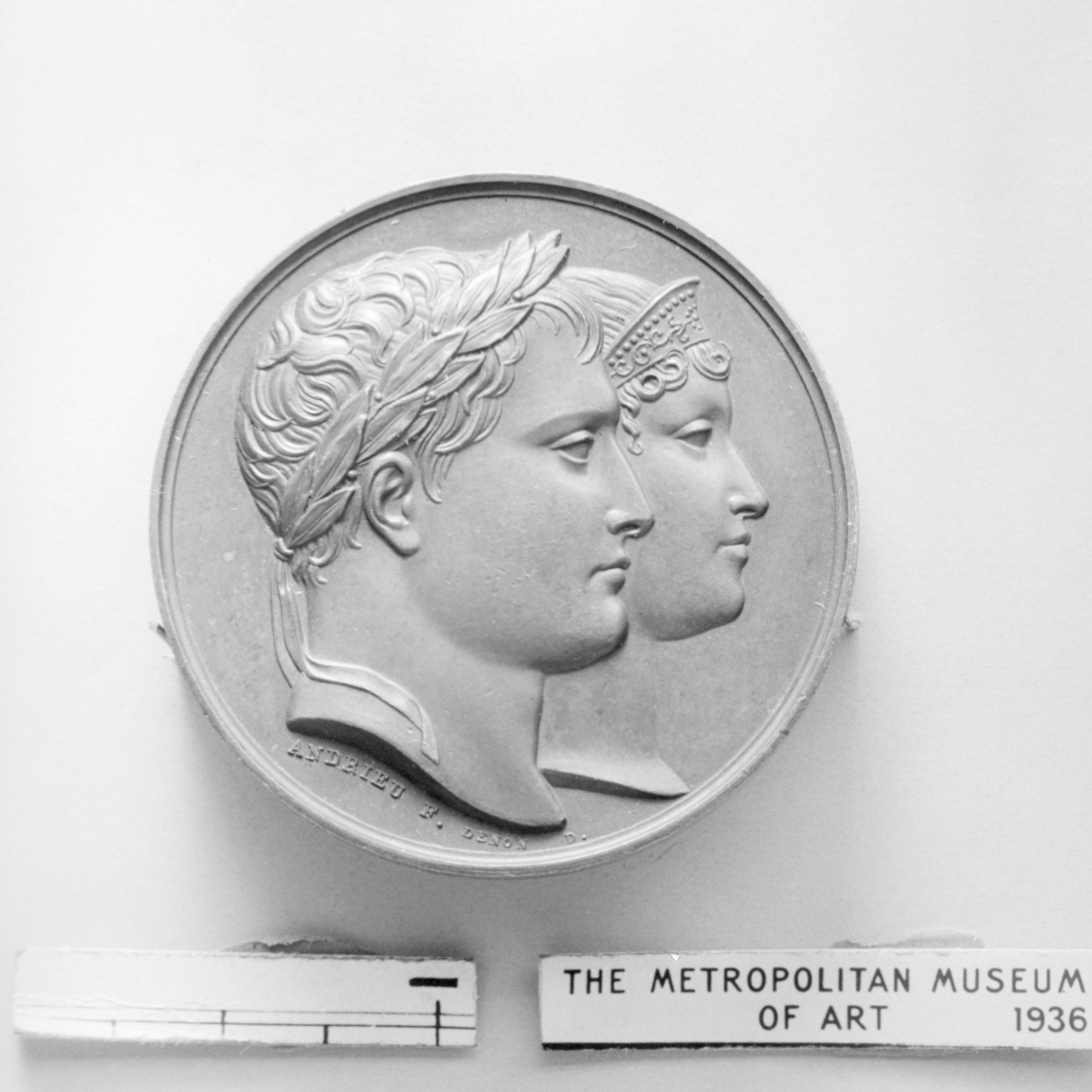
Heritage Analysis: The King of Rome Medal (1811–1832) and Its Strategic Resonance for Katherine Fashion Lab
The medal commemorating the birth of the King of Rome—Napoleon II, son of Napoleon Bonaparte and Marie Louise of Austria—is far more than a numismatic relic. Struck in bronze with a reddish brown patina, this object condenses a moment of imperial triumph, dynastic ambition, and symbolic power into a tangible, wearable artifact. For Katherine Fashion Lab, this medal offers a profound case study in how historical adornment can be translated into a 2026 high-end luxury strategy that speaks to authority, legacy, and spiritual resonance. This analysis deconstructs the medal’s layered meanings and proposes a strategic framework for its integration into contemporary luxury narratives.
Symbolic Power: The Medal as Dynastic Declaration
At its core, the King of Rome medal is a declaration of continuity. Struck in 1811, it celebrates the birth of an heir who was intended to cement the Napoleonic dynasty across Europe. The medal’s iconography—likely featuring the infant prince’s profile or allegorical figures of France and Austria—was designed to project legitimacy. In the context of ancient civilization, medals of this type were not mere souvenirs; they were state-sponsored instruments of propaganda, circulated to elites and the public to reinforce the ruler’s divine or historical mandate.
For Katherine Fashion Lab, this symbolic power translates into a strategic opportunity. The 2026 luxury consumer is not merely purchasing clothing or accessories; they are acquiring narratives of power. By referencing the King of Rome medal, the brand can tap into a lexicon of authority that transcends transient trends. The medal’s bronze medium—durable, warm, and inherently historical—suggests a design language of permanence. In a market saturated with ephemeral digital aesthetics, this permanence becomes a luxury differentiator. The brand can position its 2026 collection as “heirlooms in progress,” pieces that carry the weight of history while being designed for the future.
Historical Adornment: From Commemorative Object to Wearable Art
Historically, medals served dual purposes: they were simultaneously commemorative and ornamental. They were worn on chains, affixed to garments, or displayed in cabinets of curiosity. The King of Rome medal, with its reddish brown patina, carries a tactile quality that invites touch and contemplation. This patina is not a flaw but a record of time—a visual biography of handling, exposure, and preservation.
In the context of historical adornment, Katherine Fashion Lab can draw direct inspiration from this object’s materiality. The 2026 strategy should emphasize tactile luxury, where metal hardware, embroidery, or even printed motifs replicate the medal’s aged finish. Consider a capsule line of brooches, belt buckles, or bag charms that echo the medal’s circular form and patinated surface. Alternatively, the brand could incorporate the medal’s imagery into jacquard weaves or laser-cut leather, creating a dialogue between ancient commemorative practice and modern wearable art. This approach aligns with the broader luxury trend toward “slow fashion,” where objects are designed to be kept, repaired, and passed down—much like a historical medal.
Spiritual Meaning: The Medal as Talisman and Protector
Beyond its political function, the King of Rome medal carried spiritual undertones. In ancient civilizations, medals and amulets were believed to confer protection, favor, and fortune upon their bearers. The birth of a royal heir was not just a political event; it was a cosmic one, often interpreted as a sign of divine blessing. The medal, therefore, functioned as a talisman—a physical conduit for goodwill and destiny.
For Katherine Fashion Lab, this spiritual dimension offers a compelling narrative layer. The 2026 luxury consumer increasingly seeks meaning beyond materiality. They are drawn to objects that offer psychological or emotional value—pieces that feel like “armor” or “charms” for modern life. The brand can position the King of Rome medal as a conceptual talisman, embedding subtle protective motifs (such as the laurel wreath, a symbol of victory and immortality) into its designs. This could manifest as a signature “Legacy Motif” used across the collection, from interior linings to engraved hardware. The spiritual meaning is not religious but existential: the medal represents the protection of legacy, the safeguarding of one’s personal narrative in an unstable world.
Strategic Framework for 2026 High-End Luxury
To operationalize this heritage analysis, Katherine Fashion Lab must adopt a multi-tiered strategy that integrates the medal’s symbolism into product, storytelling, and customer experience.
Product Innovation: The “Patina Collection”
Launch a limited-edition series titled “Patina: An Heirloom in Bronze.” This collection would feature outerwear with bronze-toned hardware, silk scarves printed with the medal’s obverse and reverse, and leather goods embossed with a reimagined medal motif. Each piece would be numbered and accompanied by a certificate that narrates the medal’s history, creating a sense of exclusive provenance. The reddish brown patina should be replicated through a proprietary finishing technique, ensuring that every item carries a unique, organic variation—no two pieces identical, mirroring the individuality of ancient struck medals.
Brand Storytelling: The “Dynasty” Campaign
The 2026 campaign should be titled “Dynasty: Wear the Legacy.” Rather than featuring models in conventional poses, the campaign would present the collection in museum-like settings, with chiaroscuro lighting that emphasizes the bronze tones and tactile textures. The narrative would pivot on the idea of the wearer as a modern monarch—someone who builds their own dynasty through style, resilience, and discernment. This aligns with the luxury sector’s shift toward empowering individuality rather than dictating conformity. The campaign could include short documentary-style films exploring the medal’s creation, its journey through history, and its reinterpretation by Katherine Fashion Lab.
Customer Experience: The “Cabinet of Curiosities”
For high-net-worth clients, offer an exclusive private viewing event styled as a “Cabinet of Curiosities,” where the actual King of Rome medal (on loan from a private collection) is displayed alongside the new collection. Guests would be invited to handle the medal under white gloves, experiencing its weight and patina firsthand. This sensory immersion bridges the gap between historical artifact and contemporary product, creating an emotional connection that digital marketing cannot replicate. Additionally, offer a bespoke service where clients can commission a custom piece—such as a brooch or cufflink—that incorporates a miniature replica of the medal, engraved with their initials or a personal motto, thereby extending the talismanic tradition into the 21st century.
Conclusion: A Timeless Strategy for a Modern House
The King of Rome medal is a masterclass in symbolic compression—a small object that carries immense political, historical, and spiritual weight. For Katherine Fashion Lab, it offers a blueprint for 2026 luxury that is both rooted in heritage and radically forward-looking. By embracing the medal’s symbolic power, historical adornment, and spiritual meaning, the brand can differentiate itself in a crowded market. The strategy is not about literal replication but about translation—converting the essence of a 19th-century commemorative object into a contemporary language of luxury that values permanence, meaning, and personal legacy. In doing so, Katherine Fashion Lab positions itself not merely as a fashion house but as a curator of wearable history, offering clients a tangible connection to the past while empowering them to author their own future. This is the ultimate luxury: an object that tells a story, protects a narrative, and endures beyond the season.