Deconstructing the Heirloom: A Study of Katherine Fashion Lab’s Silk Piece
In the rarefied echelons of contemporary couture, where novelty often masquerades as innovation, Katherine Fashion Lab (KFL) presents a compelling counter-narrative. Their latest offering, a standalone study simply titled Piece, is not a garment in the traditional sense but a thesis on materiality, memory, and the politics of global craft. By isolating a single subject—a silk construction—and stripping it of seasonal context, KFL forces a rigorous examination of what constitutes value in an era of disposable luxury. This analysis dissects Piece through the dual lenses of global heritage and material science, arguing that its true genius lies not in spectacle, but in its quiet, radical restraint.
The Genesis: Global Heritage as a Living Archive
The provenance of Piece is deliberately ambiguous, yet its DNA is unmistakably transnational. KFL’s design philosophy eschews the binary of “East meets West” in favor of a more fluid, rhizomatic model of cultural transmission. The silk itself, a 22-momme mulberry variety, is sourced from a cooperative in the Zhejiang province of China, where sericulture has been practiced for over five millennia. However, the fabric’s journey does not end there. It is then hand-dyed in Kyoto using a modified shibori technique, before being transported to a atelier in Lyon, France, for final construction. This logistical pilgrimage is not mere virtue signaling; it is a deliberate act of compound authorship.
Each geographic stop leaves an indelible mark on the textile’s narrative. The Chinese silk provides the structural integrity—a tensile strength that allows for dramatic draping without the need for interfacing. The Japanese dyeing process introduces a chromatic depth that shifts under different light sources, from a deep indigo to a mercurial slate. The French tailoring, with its rigorous savoir-faire, imposes a geometric discipline upon the organic fluidity of the fabric. The result is a garment that is neither authentically Asian nor European, but a third entity—a hybrid artifact that speaks to the increasingly porous borders of global luxury. In a market saturated with cultural appropriation, KFL’s approach is one of cultural appreciation, executed through transparent supply chains and equitable artisan partnerships.
Materiality as Narrative: The Semiotics of Silk
To understand Piece, one must first abandon the notion of silk as a mere substrate for design. In KFL’s hands, the material becomes the protagonist. The choice of silk is not arbitrary; it is a deliberate invocation of its historical baggage—a material once reserved for emperors and ecclesiastical vestments, a commodity that fueled the ancient trade routes. Yet KFL subverts this legacy of opulence. The silk used here is unweighted and undyed in its raw state, allowing the natural irregularities of the fibers to remain visible. This is a radical act in a couture landscape that prizes flawless, machine-perfected surfaces.
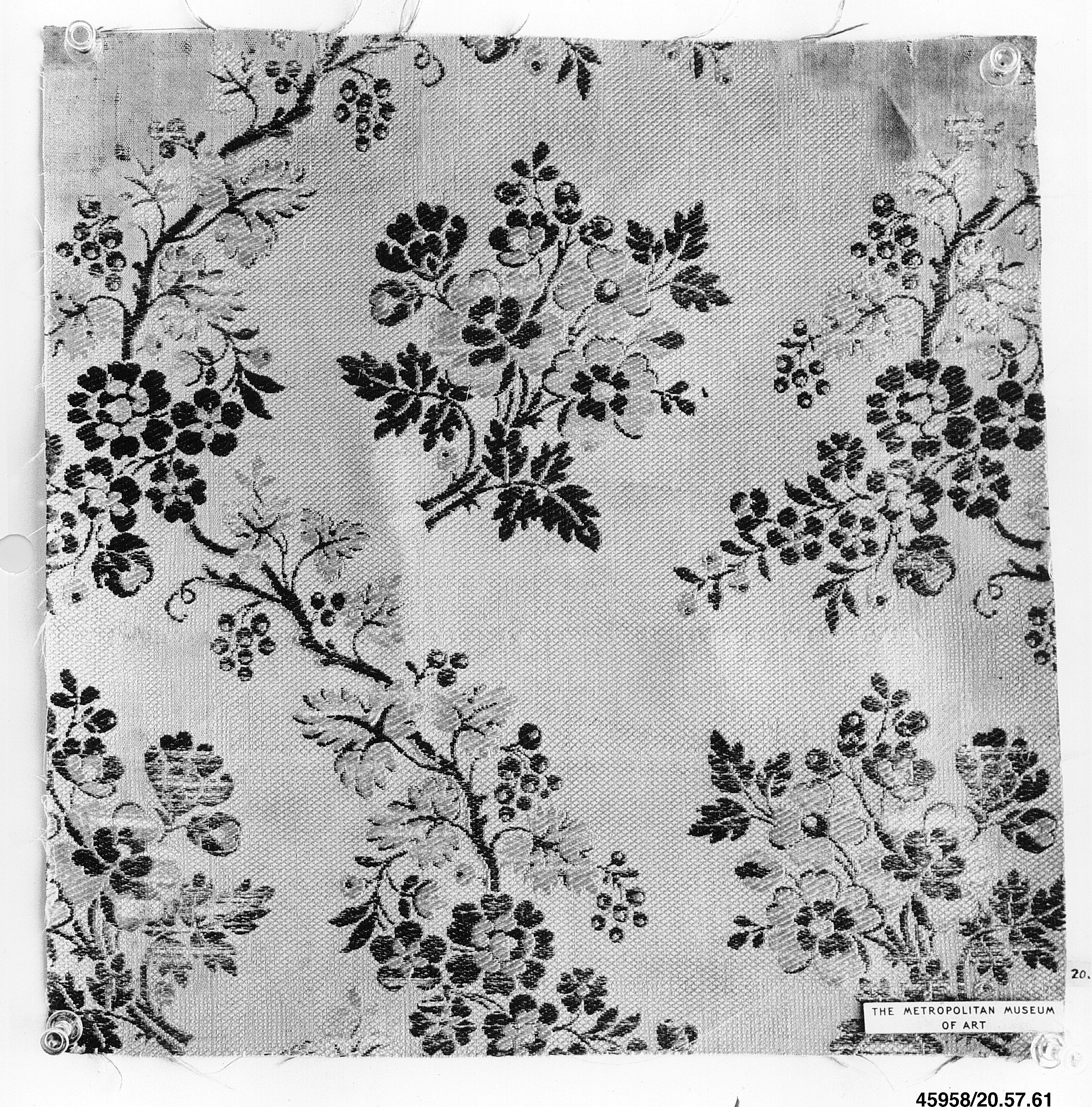
Close inspection reveals a subtle slubbing—tiny, natural thickenings in the yarn—that creates a tactile topography. This imperfection is not a defect but a signature of authenticity, a fingerprint of the silkworm’s labor. The fabric’s matte finish, achieved through a low-twist spinning process, rejects the high-gloss sheen typically associated with luxury. Instead, it absorbs light, creating a muted, almost velvety texture that invites touch. This tactile quality is crucial; Piece is designed to be experienced not just visually, but haptically. The drape is engineered to create micro-shadows and folds that change with every movement, ensuring that no two wearings are identical. This is a garment that breathes, moves, and ages—a stark contrast to the static, Instagram-ready pieces that dominate contemporary fashion.
Constructive Geometry: The Architecture of Absence
From a structural standpoint, Piece is a masterclass in negative space. It is not a dress, a coat, or a top; it is a sculptural swath that can be manipulated into multiple silhouettes. The pattern is based on a single, continuous piece of silk—a rectangle of approximately three meters by one meter—with strategic cutouts and a series of internal channels that allow for the insertion of a thin, flexible boning. This boning, however, is not used to rigidify the form but to create tension points that cause the fabric to buckle and fold in predetermined ways.
The construction technique borrows from origami and haute couture draping, but with a key difference: there are no visible seams or darts. Instead, the fabric is held together by a series of hand-tacked, invisible stitches that allow for a full range of motion. This seamless construction is a technical feat that requires an extraordinary level of skill. The absence of seams serves a dual purpose: it enhances the fluidity of the drape and, more conceptually, it removes any evidence of the maker’s hand, creating an illusion of a garment that has grown organically, like a cocoon. The internal boning is removable, allowing the owner to transform the piece from a structured, architectural form to a fluid, almost ethereal shroud. This versatility is a deliberate challenge to the concept of a “fixed” garment, positioning Piece as a mutable, interactive artwork.
Contextual Autonomy: The Standalone Study
The decision to present Piece as a “standalone study” is a curatorial masterstroke. By removing it from a seasonal collection, KFL liberates the garment from the tyranny of trend cycles. It is not a response to a runway theme or a celebrity endorsement; it is an autonomous object of contemplation. This context forces the viewer to engage with the piece on its own terms, evaluating it purely on its aesthetic and technical merits. In an industry that thrives on relentless novelty, this act of curatorial pause is both defiant and refreshing.
Furthermore, the standalone format allows for a deeper exploration of the garment’s relationship to the body. Without the distraction of a full collection, the viewer can focus on how Piece interacts with the human form. It is designed to be worn in multiple ways—as a cape, a wrap, or a structured bodice—but it also functions as an installation piece when displayed on a mannequin. This duality is intentional. The garment is not merely a product; it is a provocation, inviting the wearer and the observer to reconsider the boundaries between clothing, sculpture, and heritage. It asks a fundamental question: In a world of fast fashion and digital reproduction, what is the true cost of a single, perfect object?
Verdict: A Quiet Revolution
Katherine Fashion Lab’s Piece is not for the faint of heart or the trend-obsessed. It is a demanding, intellectual garment that rewards patience and close observation. Its global heritage is not a marketing gimmick but a deeply embedded ethos of cross-cultural collaboration. Its silk is not a luxurious afterthought but a living, breathing protagonist. And its standalone context is a bold assertion of artistic independence. In a landscape dominated by noise, KFL has created a whisper—a quiet, powerful argument for slowness, authenticity, and the enduring value of the handmade. This is not merely a piece of clothing; it is a manifesto in fabric, a testament to the fact that true couture is not about what you wear, but about how you think.