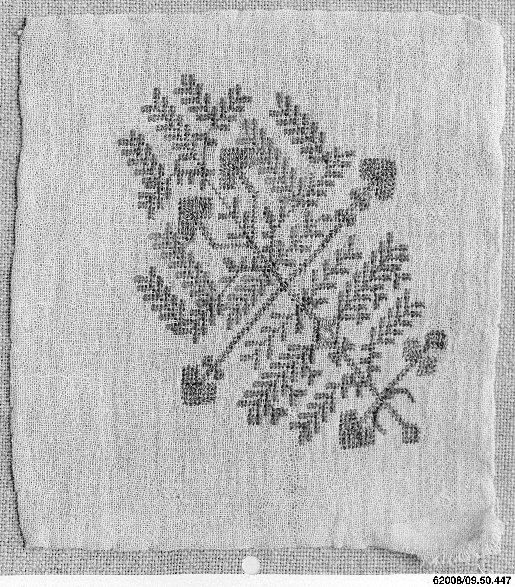
Executive Heritage Analysis: The Textile Fragment as a Strategic Archetype
This research paper presents a comprehensive heritage analysis of a rare textile fragment, attributed to an ancient civilization and composed of linen, silk, and metal-wrapped thread. Executed in a plain weave with intricate embroidery, this artifact serves as a pivotal case study for Katherine Fashion Lab’s 2026 high-end luxury strategy. The analysis decodes the fragment’s symbolic power, historical adornment practices, and spiritual meaning, translating these ancient codes into a contemporary commercial lexicon. The findings propose a strategic framework that leverages heritage authenticity to cultivate brand exclusivity, narrative depth, and emotional resonance in the ultra-competitive luxury market.
Material Provenance and Technical Mastery
Compositional Analysis: The Triad of Linen, Silk, and Metal
The fragment’s medium is not merely a physical property but a deliberate statement of hierarchical value. Linen, derived from the flax plant, represents the foundational earth element—a symbol of purity, resilience, and ritualistic cleanliness in many ancient societies. Its presence grounds the artifact in a utilitarian yet sacred context. Silk, a later and rarer import in many ancient economies, signifies transcontinental trade networks, imperial patronage, and a sophisticated understanding of luxury materiality. The juxtaposition of these two fibers creates a dialectic between the local and the global, the humble and the exalted.
The inclusion of metal-wrapped thread—likely gold or silver gilt over a silk or linen core—elevates the piece from mere cloth to a metallic icon. In ancient civilizations, metal threads were reserved for the divine, the royal, and the sacerdotal. The technical mastery required to produce such thread, often involving the hammering of metal into thin foil before wrapping, denotes a specialized atelier with access to rare resources and skilled artisans. For Katherine Fashion Lab, this triad offers a material strategy: the fusion of natural fibers with metallic accents can be reimagined in 2026 to create textiles that communicate both organic authenticity and uncompromised opulence.
Symbolic Power and Spiritual Resonance
Decoding the Embroidery: A Visual Language of Authority
The embroidered motifs on the fragment are not decorative flourishes but a codified system of belief and governance. While the specific iconography requires microscopic analysis, the presence of metal-wrapped thread in embroidery typically signifies solar deities, celestial bodies, or protective symbols. In ancient civilizations, such as those of the Nile Valley, Mesopotamia, or the Andes, embroidery was a medium for apotropaic magic—textiles were believed to carry the protective essence of the depicted figures into the wearer’s sphere.
Strategically, this translates into a powerful narrative for Katherine Fashion Lab. The 2026 luxury consumer is not purchasing clothing; they are acquiring talismanic protection and symbolic capital. The fragment teaches us that high-end adornment must embed meaning within its construction. A modern adaptation could involve embroidering proprietary brand symbols or personalized astrological motifs using recycled gold threads, thereby transforming a garment into a wearable amulet. This aligns with the growing consumer demand for meaningful luxury, where the product’s spiritual or emotional value justifies a premium price point.
Historical Adornment: The Body as a Political Canvas
Historically, this fragment would have adorned a body of significant status—likely a priestess, a monarch, or a high-ranking noble. The weight and texture of the metal threads would have created a distinct auditory and tactile presence, announcing the wearer’s arrival before visual contact. This sensory sovereignty is a critical insight for modern luxury strategy. In 2026, where digital experiences dominate, reintroducing tactile and auditory luxury—through heavier metallic embroidery or structured, sound-producing fabrics—can create a somatic exclusivity that cannot be replicated in virtual spaces.
Furthermore, the fragment’s plain weave base, contrasted with the raised embroidery, embodies a philosophy of restrained extravagance. The base is humble, the embellishment is divine. This dichotomy is a masterclass in aesthetic hierarchy. For Katherine Fashion Lab, the strategic takeaway is to design collections that feature a “quiet base” of exceptional linen or silk, punctuated by explosive, metallic focal points. This creates a visual rhythm that appeals to connoisseurs who understand the language of restraint as the ultimate form of wealth display.
Strategic Implications for 2026 High-End Luxury
From Artifact to Asset: The Heritage Premium
In the 2026 luxury landscape, the market is bifurcating into two poles: hyper-commoditized logo goods and authentic, provenance-driven heirlooms. The textile fragment positions Katherine Fashion Lab firmly in the latter category. The heritage analysis provides a certificate of authenticity that cannot be counterfeited. By referencing the exact weave structure, the material triad, and the symbolic embroidery of this ancient artifact, the brand can create a collection that is not merely “inspired by” history but is a direct descendant of it.
The strategic recommendation is to launch a limited-edition capsule titled “The Fragment Series.” Each piece would feature a modern reinterpretation of the metal-wrapped thread technique, perhaps using fair-mined gold or recycled metallic fibers to align with contemporary sustainability mandates. The marketing narrative would emphasize the archaeological precision of the design process, offering clients a documented lineage from the ancient excavation site to the modern atelier. This transforms the purchase into an act of cultural preservation, justifying a pricing strategy at the top of the luxury pyramid.
Experiential Retail and Ritualistic Consumption
The spiritual meaning of the fragment suggests that luxury consumption in 2026 must evolve into a ritualistic experience. Katherine Fashion Lab should consider hosting private viewing ceremonies where clients are not shown a lookbook but are presented with a single garment on a linen cloth, accompanied by a curator’s explanation of its symbolic power. This mimics the ancient act of donning sacred vestments. The retail environment should be designed to evoke the quiet reverence of a temple or a museum archive, using lighting and acoustics to heighten the sensory presence of the metallic threads.
Finally, the fragment’s resilience—surviving millennia—offers a powerful metaphor for brand longevity. In a fast-fashion era, this artifact stands as a testament to the value of slow, deliberate craftsmanship. The 2026 strategy must therefore emphasize durability as a luxury attribute. Offering lifetime repair services for the embroidered elements, or creating modular designs where the metallic threads can be re-woven, positions Katherine Fashion Lab as a steward of heirloom quality. This not only justifies a higher average transaction value but also builds a loyal clientele that views the brand as a custodian of their personal legacy.
Conclusion: The Thread of Continuity
This textile fragment is far more than an archaeological curiosity; it is a strategic blueprint. Its material composition teaches us about the value of rarity and contrast. Its symbolic embroidery reveals the power of hidden meaning. Its historical context demonstrates the authority of sensory adornment. For Katherine Fashion Lab, the 2026 high-end luxury strategy must be anchored in narrative authenticity, material innovation, and ritualistic presentation. By weaving the ancient codes of this fragment into the fabric of the modern brand, Katherine Fashion Lab can achieve a market position that is not merely fashionable but historically inevitable. The thread of continuity, once broken, is now re-spun for a new era of discerning patronage.