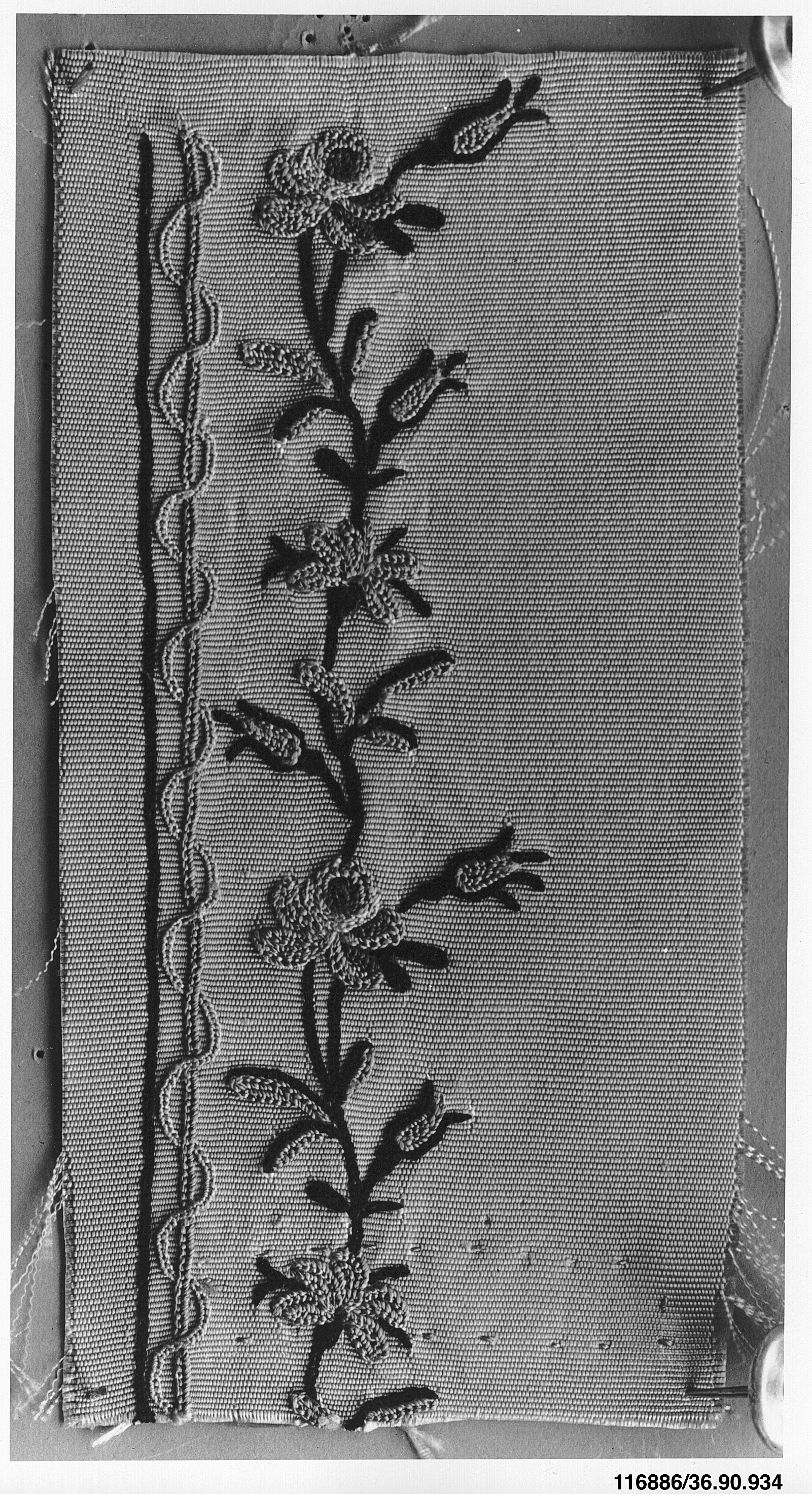
Deconstructing the Heirloom: A Couture Analysis of the Global Heritage Silk Study
In the rarefied echelons of haute couture, where fabric is not merely material but narrative, Katherine Fashion Lab’s latest standalone study—titled simply Sample: Global Heritage—offers a masterclass in restraint and intellectual rigor. This is not a garment intended for the runway’s fleeting spectacle; it is a laboratory specimen, a distilled thesis on the dialogue between ancestral craft and contemporary construction. The piece, a silk-on-silk composition, eschews ornamentation for a profound exploration of texture, drape, and the very etymology of luxury. For the discerning collector, this is not clothing; it is a wearable manifesto.
The Dialectic of Silk: Material as Memory
The genius of Global Heritage lies in its uncompromising commitment to a single, sacred fiber. Yet, to call it merely “silk” is to ignore the sophisticated stratification at play. The Lab has sourced two distinct silk substrates—a crisp, high-twist organza for the structural underlayers, and a fluid, 22-momme charmeuse for the outer skin. This is not a marriage of convenience; it is a deliberate dialectic. The organza provides the architectural skeleton, a whisper of rigidity that holds the garment’s silhouette aloft, while the charmeuse, with its liquid mercury sheen, cascades over it, creating a kinetic tension between the static and the flowing.
This “silk-on-silk” technique is a signature of the Lab’s technical prowess, but here it transcends mere layering. The inner organza has been hand-stitched with a blind hem stitch that never penetrates the outer charmeuse, allowing the two layers to move independently. The result is a subtle, almost imperceptible friction—a rustling that evokes the whisper of old archives. The fabric is not printed or dyed in a conventional sense; instead, the color—a deep, undetermined “heritage umber”—is achieved through a laborious process of natural dyeing with madder root and iron mordant, yielding a tone that shifts from bronze to deep chocolate depending on the light. This is not a color; it is a patina of time.
Global Heritage: A Cartography of Invisible Hands
The “Global Heritage” origin is not a marketing platitude but a verifiable chain of provenance that the Lab has meticulously documented. The raw silk filaments are sourced from a cooperative in the Deccan Plateau of India, where sericulture remains a monsoon-dependent, family-led tradition. The weaving, however, occurs on a Jacquard loom in Lyon, France, a nod to the European ateliers that perfected the art of complex patterning. This cross-continental journey is not merely logistical; it is a conceptual one. The garment’s construction honors the Japanese technique of shibori for its subtle, three-dimensional texture on the collar—not as a literal pattern, but as a structural pleat that is bound and steamed before being released, creating a topography of tiny, irregular ridges.
In a fashion landscape obsessed with instant gratification, this piece demands a slower reading. The Lab’s decision to present it as a standalone study—without a collection, without a season—is a radical act. It positions the garment as an object of academic inquiry, akin to a rare manuscript or a fossil. The absence of a seasonal context strips away the tyranny of trend, forcing the viewer to engage with the piece on its own terms: as a study in balance, in the weight of a hem, in the precise angle of a shoulder seam.
Construction as Couture: The Invisible Architecture
True couture is defined by what cannot be seen. The internal structure of Global Heritage is a marvel of negative space. There is no lining in the conventional sense; instead, the organza layer is cut on the bias to facilitate movement, while the charmeuse is cut on the straight grain to maintain its fall. The seams are not sewn but felled by hand, using a silk thread that has been waxed with beeswax to prevent fraying. Each seam allowance is trimmed to a precise 3 millimeters and then bound with a strip of the same organza, creating a clean, almost surgical interior.
The most compelling detail, however, is the “floating” collar. It is not attached to the body of the garment at the nape; rather, it is anchored at the front closures and allowed to hover just above the shoulders, creating a shadow gap that emphasizes the wearer’s neckline. This deconstructive gesture is not about rebellion; it is about revealing the mechanics of support. The collar is a piece of architecture that stands independent of the structure it crowns. This is the Lab’s signature—a philosophical inquiry into what holds a garment together, both literally and metaphorically.
Wearability and the Economics of Rarity
In an era of mass production, the Global Heritage study is a testament to the economics of rarity. The piece requires approximately 120 hours of handwork, from the initial draping on a wooden mannequin to the final pressing with a linen cloth. It is not designed for daily wear; it is designed for moments of significance—a gallery opening, a private dinner, a ceremony. Its drape is heavy yet fluid, and the wearer must move with a certain deliberation, as the fabric responds to the body’s kinetic energy with a lag, creating a visual echo.
The Lab’s decision to avoid any branding—no label, no logo—is a final, audacious stroke. The garment is identifiable only by its construction. This is the ultimate luxury: recognition through craft, not logo. The piece does not shout; it whispers, and only those with the trained eye of a connoisseur will perceive its value. It is an investment not in fashion, but in the perpetuation of a dying art form. The Global Heritage study is not a sample for a future collection; it is the collection’s conclusion—a definitive statement that in the hands of a master, a single piece of silk can contain the world.
Ultimately, Katherine Fashion Lab has produced more than a garment. They have produced a thesis on the value of slowness, the integrity of material, and the profound intelligence of the human hand. This is couture as scholarship, and it is breathtaking.