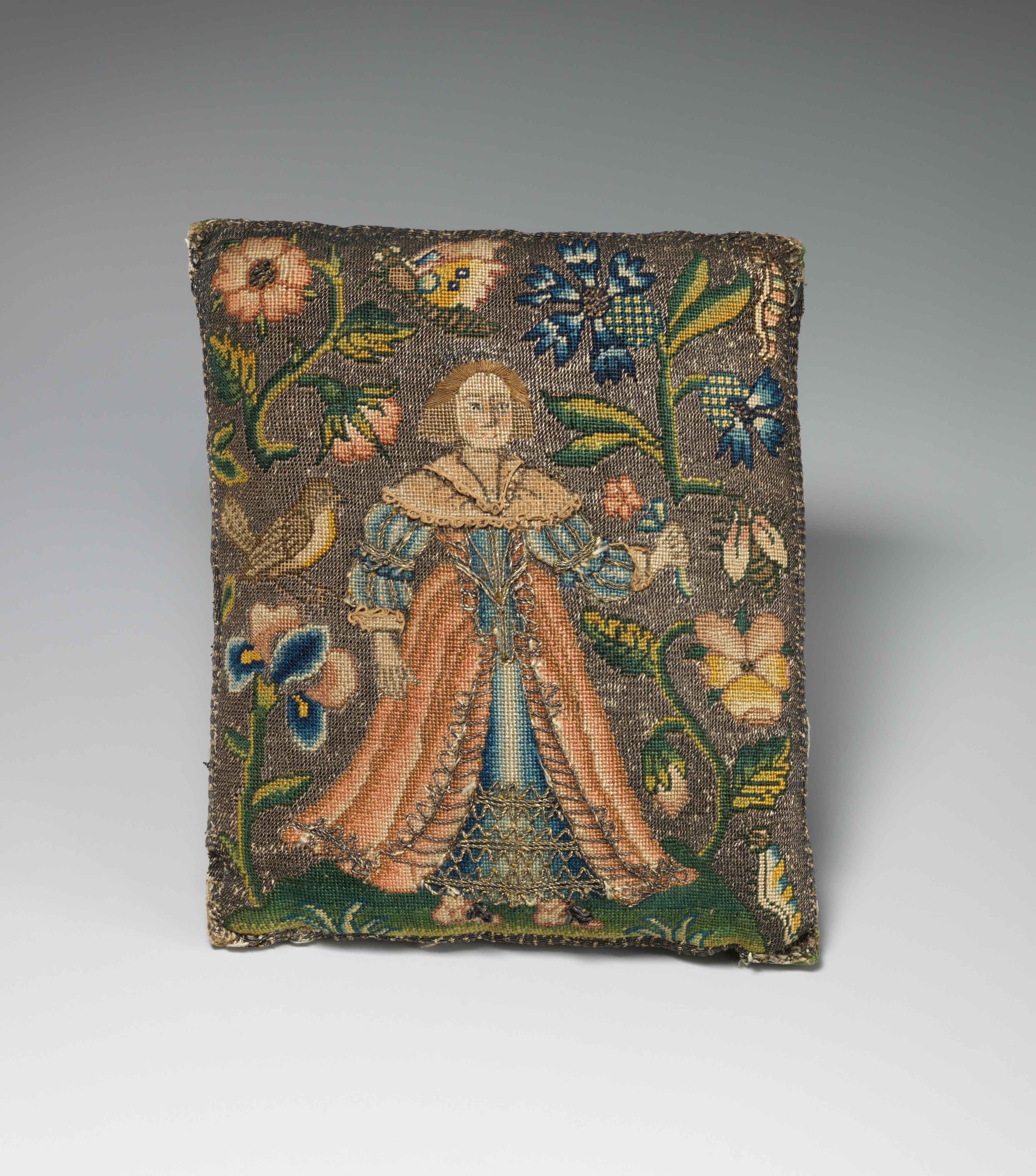
The Cushion as Sovereign Artifact: A Heritage Analysis for Katherine Fashion Lab
The cushion, often dismissed as a mere domestic utility, emerges from the annals of ancient civilization as a potent symbol of sovereignty, spiritual intermediary, and technological luxury. For Katherine Fashion Lab, the decision to reinterpret the cushion in silk and metal thread on canvas is not a nostalgic revival but a strategic reclamation of power. This analysis deconstructs the artifact’s historical gravitas and translates its symbolic DNA into a definitive 2026 high-end luxury strategy, positioning the Lab not as a producer of goods, but as a custodian of imperial semiotics.
Symbolic Power: The Throne’s Silent Deputy
In ancient Mesopotamian, Egyptian, and later Persian courts, the cushion was never an object of comfort alone; it was an instrument of hierarchical demarcation. The elevation provided by a cushion—whether placed upon a throne, a divan, or a ceremonial chariot—physically manifested the concept of vertical sovereignty. To sit upon a cushion was to be lifted closer to the celestial plane, while those without remained earthbound, literally and figuratively lower in status. In ancient Egypt, the cushioned stool was reserved for the elite, its presence in tomb iconography signifying not merely leisure but eternal rank in the afterlife. The materiality of the cushion—its density, its fabric, its embroidery—was a silent language of wealth. A plain linen cushion was a servant’s tool; a silk and metal-thread cushion was a royal decree.
For the 2026 luxury market, this symbolic power translates into a product that is not purchased for utility but for positional authority. Katherine Fashion Lab’s strategic framing must elevate the cushion from a decorative accessory to a portable throne. In an era of remote work and fluid power structures, the modern connoisseur seeks to demarcate their personal space—their home office, their private jet, their penthouse seating—as a zone of executive dominance. The lab’s cushion, rendered in silk and metallic thread, becomes a modern-day scepter: an immediate visual and tactile assertion that the owner sits above the ordinary.
Historical Adornment: The Weave of Empire
The specific medium of silk and metal thread on canvas is a deliberate archaeological choice. Silk, originating in ancient China, was a guarded commodity that traveled the Silk Road as a form of soft currency. Its presence in a cushion denoted access to global trade networks and diplomatic favor. Metal thread—gold, silver, or gilded copper—was the hallmark of royal ateliers, from Byzantine looms to Sassanian courts. The combination of silk and metal on a taut canvas base creates a striking tension: the softness of the fiber against the rigidity of the metal, the warmth of the silk against the cold gleam of the thread. This is not a passive textile; it is an armor for the seated.
Historically, such cushions were often embroidered with motifs of conquest—lions, eagles, and celestial bodies—designed to project martial strength and cosmic favor. The canvas base, unlike flimsy velvet, suggests durability and discipline, a nod to the military tents of Roman legions where commanders received tribute on embossed leather and metal-thread cushions. For Katherine Fashion Lab, the 2026 strategy must lean into this archaeological rigor. The product should be marketed not as “inspired by” but as descended from these traditions. The lab should publish a detailed provenance narrative for each piece, specifying the historical era of the motif and the metallurgical composition of the thread. This transforms the cushion into a collectible artifact, akin to a limited-edition numismatic or a haute horlogerie timepiece.
Spiritual Meaning: The Threshold Between Worlds
Beyond political power, the ancient cushion held profound spiritual function. In Mesopotamian rituals, the cushion was placed beneath sacred idols and oracles, serving as a conduit for divine presence. The elevated seat was not merely for a king but for the god incarnate. In Zoroastrian and later Islamic court culture, the cushion (or masnad) was a symbol of honor and a seat of judgment, where the ruler’s decisions were believed to be divinely guided. The metal thread, in particular, was not decorative but apotropaic—it was believed to reflect evil spirits and attract benevolent cosmic rays. Silk, being a natural protein fiber, was considered a “living” material, capable of holding prayer and intention.
In the 2026 high-end market, spirituality has been secularized into wellness and intentional living. Katherine Fashion Lab can strategically position the cushion as an altar for the self—a dedicated surface for meditation, breathwork, or strategic contemplation. The metal thread is not just a visual accent; it is a functional shield against the electromagnetic and psychological noise of modern life. The lab’s marketing should invoke the ancient belief that the seat holds the sitter’s aura. By offering a cushion that is both a physical and metaphysical anchor, the lab taps into the growing luxury segment of “conscious opulence,” where buyers seek objects that promise not just status but inner equilibrium. The canvas, stretched and taut, represents the disciplined mind; the silk, the fluid spirit; the metal, the unbreakable will.
2026 High-End Luxury Strategy: The Cushion as Investment Asset
To launch this heritage piece into the 2026 luxury arena, Katherine Fashion Lab must adopt a three-part strategy: Scarcity by Provenance, Ritualized Commerce, and Legacy Co-Creation.
Scarcity by Provenance
The lab should produce a strictly limited run—no more than 100 pieces globally—each accompanied by a hand-numbered certificate of authenticity detailing the specific ancient civilization referenced (e.g., “Persian Achaemenid, 5th Century BCE Motif”). The silk must be sourced from a single, heritage mulberry farm, and the metal thread must be drawn from recycled antique gold or silver, giving each piece a unique patina. This is not a cushion; it is a portable museum piece. The price point should be set at a level that excludes casual acquisition, placing it firmly in the realm of private banking and art advisory.
Ritualized Commerce
The purchase process must be a ceremony. Clients should not buy the cushion online; they must be invited to a private viewing at a flagship salon or a heritage site (e.g., a restored caravanserai or a private collection). During the viewing, a curator will present the historical context, and the client will be invited to sit with the cushion for a “trial of elevation.” This transforms the transaction into a rite of passage, where the client is not merely acquiring a product but being initiated into a lineage of sovereigns. The lab’s after-sales service could include an annual “re-stitching” ritual, where the metal thread is polished and blessed—a modern echo of ancient temple maintenance.
Legacy Co-Creation
Finally, the 2026 strategy should offer a bespoke commissioning service. Clients can provide their own family crest, astrological chart, or personal mantra, which the lab’s artisans will translate into a new symbolic language of silk and metal. This is a direct parallel to ancient rulers who commissioned personalized insignia for their thrones. By allowing the client to imprint their identity onto the artifact, Katherine Fashion Lab ensures the cushion becomes a generational heirloom, not a seasonal trend. The lab’s role shifts from manufacturer to archivist of personal empire.
Conclusion: The Seat of the Future is Ancient
In conclusion, the cushion is not a soft object; it is a hard statement of power, faith, and permanence. Katherine Fashion Lab’s strategic deployment of this artifact in silk and metal thread on canvas is a masterstroke of heritage-driven luxury. By honoring the ancient civilization’s symbolic power, historical adornment, and spiritual meaning, the lab does not merely sell a product—it sells a seat at the table of history. In 2026, as the world grows increasingly virtual and fleeting, the tangible, weighted, and sacred cushion offers the ultra-wealthy something rare: a physical anchor to a glorious past and a private throne for an uncertain future. The lab’s mandate is clear: to weave the empire back into the living room, one metallic thread at a time.