The Enduring Currency of Power: Silver Coinage as a Blueprint for 2026 Luxury
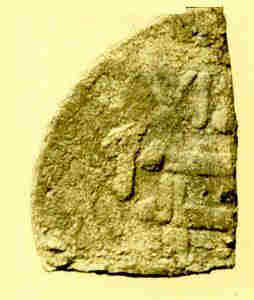
In the pantheon of human artifacts, few objects carry the dual weight of economic utility and profound symbolic resonance as the silver coin of antiquity. For Katherine Fashion Lab, the study of this seemingly mundane medium—a small, stamped disc of precious metal—reveals a masterclass in the articulation of power, identity, and spiritual belief. To the modern luxury strategist, the ancient coin is not merely a historical relic; it is a proto-luxury object, a precursor to the branded talisman, and a repository of socio-political messaging that remains startlingly relevant for the 2026 high-end market. This strategic standalone research deconstructs the silver coin’s legacy—from its symbolic genesis to its material significance—and translates its core DNA into a forward-looking luxury framework.
Symbolic Power: The State’s Signature on Silver
The intrinsic power of the ancient silver coin lay not in its metallic value alone, but in the sovereign authority imprinted upon its face. From the Athenian owl tetradrachm to the Macedonian staters of Alexander the Great, the coin served as a miniature, portable billboard for imperial legitimacy. The imagery—a deity’s profile, a civic emblem, or a ruler’s visage—was a deliberate exercise in soft power, disseminated across vast trade networks. Every transaction was a silent act of political allegiance, a tactile acknowledgment of the issuing state’s dominance.
For Katherine Fashion Lab, this historical precedent offers a profound lesson in brand sovereignty. The 2026 luxury consumer is not merely purchasing a garment or accessory; they are acquiring a signature of authority. The strategic implication is to treat the brand monogram or house crest not as a passive label, but as an active, assertive emblem of cultural and aesthetic jurisdiction. The coin’s symbolic power derived from its repetition and ubiquity—the more hands it passed through, the more entrenched its authority became. Luxury strategy must therefore prioritize visibility of the house symbol across all touchpoints, from digital interfaces to physical retail, ensuring that the brand’s "face" becomes as instantly recognizable and authoritative as the ancient ruler’s profile on a tetradrachm.
Historical Adornment: The Coin as Personal Amulet and Status Marker
Beyond its fiscal function, the silver coin transitioned seamlessly into the realm of personal adornment. Archaeological evidence from the Mediterranean and Near East reveals coins mounted as pendants, woven into hair ornaments, and sewn onto ceremonial garments. This practice was not purely aesthetic; it was a calculated display of personal wealth and cosmopolitan connectivity. To wear a foreign coin was to signal one’s participation in a globalized economy, one’s access to distant markets, and one’s ability to possess a piece of the state’s power in a deeply intimate manner.
This historical behavior directly informs the 2026 luxury accessory strategy. The modern client seeks to wear their values, their cultural literacy, and their economic agency. The coin’s precedent suggests a pivot toward hardware as narrative. Katherine Fashion Lab should consider developing a "Numismatic Collection"—a line of metallic hardware, clasps, and pendants that mimic the tactile weight and engraved detail of ancient coinage. However, the 2026 iteration must transcend simple replication. The strategy is to fuse the coin’s historical gravitas with contemporary design codes, such as abstracted engravings or mixed-metal finishes, creating objects that feel both archaic and avant-garde. The adornment becomes a conversation starter, a wearable artifact that speaks to the wearer’s discerning taste and their appreciation for layered history.
Spiritual Meaning: Silver’s Conduit to the Divine
The spiritual dimension of silver in antiquity cannot be overstated. Unlike gold, which was often associated with solar deities and the immutable, silver was linked to the lunar, the intuitive, and the mysterious. In many cultures, silver was believed to possess apotropaic properties—the ability to ward off evil spirits and malevolent forces. Silver coins were placed on the eyes of the deceased as payment for the ferryman to the underworld, Charon, ensuring safe passage to the afterlife. This practice imbued the coin with a profound metaphysical function: it was a bridge between the mortal realm and the eternal.
For a 2026 luxury house, incorporating this spiritual layer offers a powerful differentiation in a market saturated with ephemeral trends. The strategic opportunity lies in creating a narrative of protection and legacy. The 2026 consumer, facing an increasingly volatile world, seeks objects that offer psychological sanctuary. Katherine Fashion Lab can position its silver-based or silver-toned products as modern talismans. The design language should incorporate subtle, abstract references to celestial cycles—crescent moons, star charts, or orbital lines—etched into the metal. The marketing narrative should evoke the idea of "carrying a piece of eternity," transforming a purchase from a mere transaction into a ritualistic act of self-preservation and spiritual continuity. This moves the brand beyond aesthetics into the realm of emotional and existential security.
Strategic Luxury Application for 2026: The "Monetary Legacy" Framework
Synthesizing the historical, symbolic, and spiritual dimensions, Katherine Fashion Lab can deploy a cohesive 2026 high-end strategy centered on the concept of "Monetary Legacy." This framework treats each product as a form of currency—not in a transactional sense, but as a store of cultural value and personal identity. The strategy is built on three pillars: Provenance, Materiality, and Rarity.
Pillar One: Provenance as a Luxury Metric
The ancient coin’s value was intrinsically tied to its minting origin. Similarly, 2026 luxury must emphasize a transparent and compelling provenance story. This goes beyond "Made in Italy." It involves a deep narrative of craftsmanship that echoes the die-cutter’s precision in antiquity. The strategy involves investing in master artisans who can hand-engrave molds and dies for hardware, replicating the labor-intensive processes of ancient mints. This creates a tangible link to the past, where the human hand is the ultimate guarantor of value. The client is not buying a product; they are acquiring a piece of a living heritage.
Pillar Two: Materiality of the Moon
Silver’s association with the moon and its mutable, reflective qualities offers a distinct material strategy. While solid silver is a viable option for high jewelry, the 2026 ready-to-wear strategy can leverage oxidized silver finishes and lunar-toned gunmetal to capture the same aesthetic and symbolic weight at a more accessible price point. The visual texture should mimic the patina of age—a deliberate, controlled tarnish that suggests depth and history. This "aged" aesthetic becomes a design signature, differentiating Katherine Fashion Lab from the sterile, high-polish finishes of contemporary competitors. The material is not just seen; it is felt as a carrier of time.
Pillar Three: Controlled Rarity and the "Mint Run"
Ancient coins were minted in finite batches, and their value has appreciated due to their scarcity. The 2026 luxury strategy should adopt a "mint run" model for signature pieces. Instead of continuous production, collections are released in numbered, limited editions, mirroring the issuance of a new coin series. Each piece is stamped with a unique serial number, akin to a mint mark, and accompanied by a certificate of authenticity that details its design inspiration from a specific historical coin. This creates a secondary market dynamic and a collector’s mentality, fostering a community of "numismatists" of Katherine Fashion Lab. The brand becomes a mint of personal identity, issuing limited currency into the hands of a discerning elite.
Conclusion: The Coin’s Eternal Return
The silver coin of antiquity was a marvel of compression—an entire worldview condensed into a few grams of metal. It was a symbol of political might, a tool of personal adornment, and a vessel for spiritual belief. For Katherine Fashion Lab, this historical analysis provides more than a theme; it provides a strategic architecture. By embracing the coin’s principles of authoritative symbolism, wearable narrative, and spiritual resonance, the brand can craft a 2026 luxury experience that is profound, differentiated, and timeless. In an era of digital ephemerality, the return to the coin’s tactile, enduring, and meaningful legacy offers a compelling path to true luxury—one where every piece is worth more than its weight in silver, because it carries the weight of history itself.