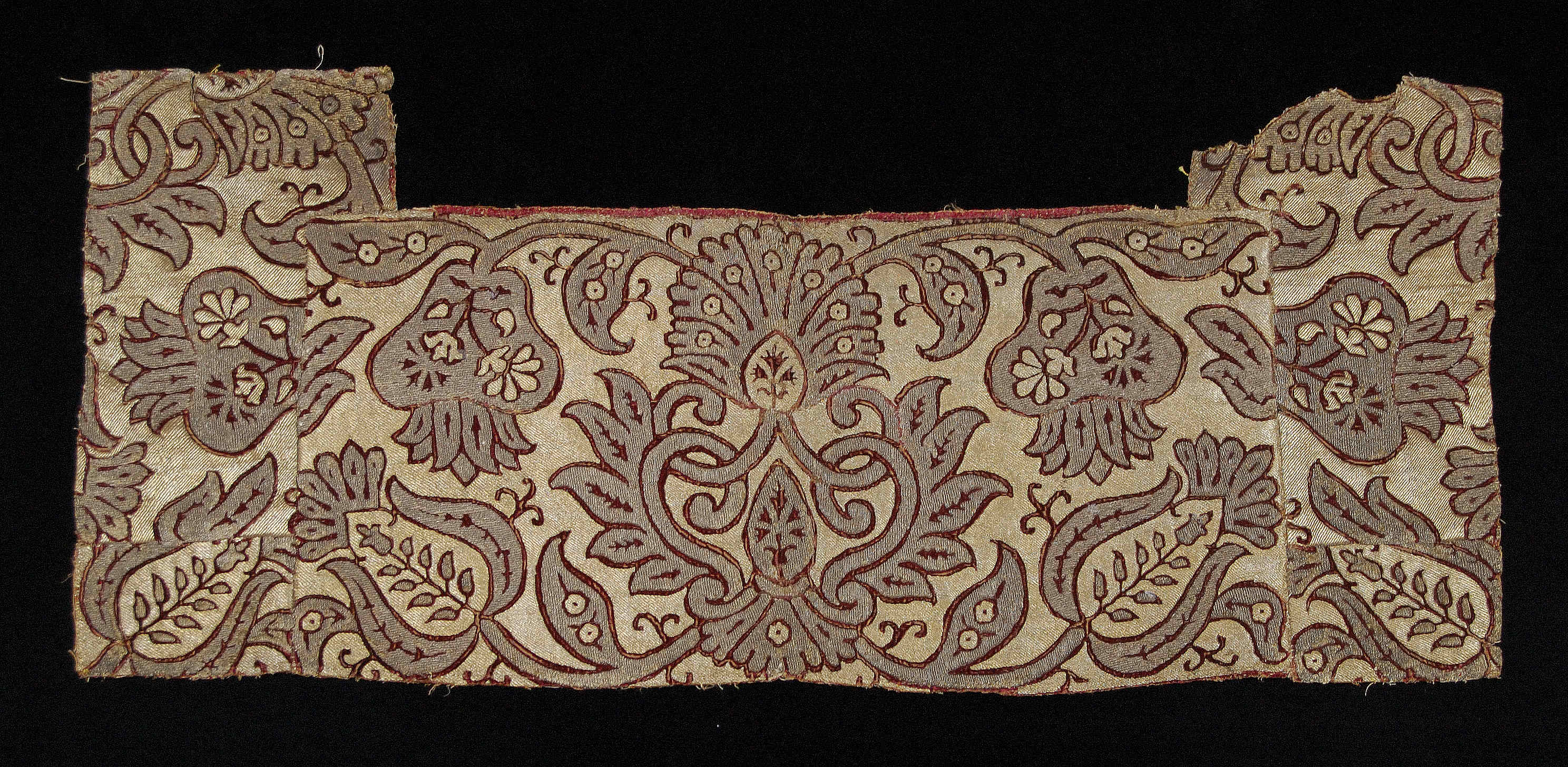
The Global Heritage Textile Panel: A Study in Material Poetry
In the rarefied echelons of couture, where fabric transcends utility to become narrative, the Global Heritage Textile Panel stands as a masterclass in restraint and opulence. Katherine Fashion Lab’s latest standalone study is not merely a swatch or a prototype; it is a philosophical treatise woven in silk, punctuated by metallic tension, and grounded in the earthy humility of linen. This panel, drawn from a global lexicon of artisanal techniques, eschews the loud spectacle of contemporary fashion for a quieter, more profound dialogue between civilization and craft.
The decision to present this as a standalone study is a deliberate curatorial act. Removed from the silhouette of a garment, the panel demands to be read as an artifact—a fragment of a larger, unnamed history. It forces the observer to confront the very essence of couture: the integrity of the material itself. Here, the fabric is not a servant to the body but a sovereign entity, commanding attention through its structural intelligence and tactile narrative.
Deconstructing the Triptych: Silk, Metallic, Linen
The panel’s genius lies in its tripartite material hierarchy, each fiber contributing a distinct voice to a harmonious polyphony. The composition is not arbitrary; it is a calculated study in contrast and complementarity, reflecting a sophisticated understanding of textile physics and visual psychology.
The Silk Substrate: Liquid Luminescence
At the panel’s heart lies a base of mulberry silk, chosen not for its conventional sheen but for its almost aqueous depth. This is not the glossy, overtly glamorous silk of evening wear; rather, it is a matte, sand-washed variant that absorbs light rather than reflecting it. The weave is a tightly packed twill, creating a subtle diagonal rib that catches the eye only upon close inspection. This silk serves as the canvas, its understated luminosity providing a quiet stage for the more assertive elements. It whispers of ancient Chinese sericulture, of a lineage where silk was once more valuable than gold, yet it does so with a modern, almost minimalist humility. The drape is fluid yet possesses a surprising structural memory, suggesting a fabric that has been engineered for longevity, not ephemeral trend.
The Metallic Accent: Cartography of Light
Interlaced within the silk’s weft are fine filaments of oxidized metallic thread, applied not as embroidery but as an integral part of the weave’s architecture. This is a pivotal distinction. The metal is not an appliqué; it is a structural partner, creating a subtle grid of tension that puckers the silk into a topographical relief. The effect is reminiscent of ancient mapmaking, where silver and gold threads traced the contours of unknown territories. Here, the metallic threads chart a geography of light, shifting from a burnished bronze to a cold steel depending on the viewing angle. It is a deliberate disruption of the silk’s placid surface, introducing a dynamic, almost kinetic energy. The choice of oxidized metal, rather than a bright polish, is crucial—it speaks to a patina of age, a heritage that has weathered time, aligning perfectly with the panel’s ‘Global Heritage’ provenance.
The Linen Framework: Earthly Anchorage
Completing the triptych is a border and interstitial framework of European flax linen. This is not the crisp, starched linen of tablecloths. It is a coarse, unbleached, and slubbed variety that retains traces of the stalk from which it was harvested. This linen acts as the panel’s structural conscience, grounding the ethereal silk and the precious metal in a reality of soil and labor. It is a nod to the peasant looms of Ireland and Flanders, to the utilitarian roots of textile production. The contrast is stark: the silk’s refined softness against the linen’s abrasive honesty; the metal’s cold precision against the linen’s organic irregularity. This juxtaposition is not a contradiction but a resolution—a reminder that even the most luxurious couture is born from agrarian toil. The linen’s coarse texture also serves a tactile purpose, inviting the hand to slow down, to feel the difference between fibers, transforming the act of viewing into an act of touch.
Heritage as a Living Lexicon
The ‘Global Heritage’ designation is not a marketing label; it is an operative principle. The panel synthesizes techniques from disparate cultures into a cohesive, new language. The silk’s twill weave pays homage to the intricate looms of the Ottoman Empire, while the metallic insertion echoes the zardozi embroidery of South Asia, albeit reimagined as a structural weave rather than a decorative overlay. The linen border recalls the geometric austerity of Scandinavian folk textiles, while the overall asymmetry of the panel’s internal composition suggests a Japanese boro aesthetic—the art of mending and patching that values repair over replacement.
This synthesis is the hallmark of Katherine Fashion Lab’s methodology. It does not copy; it synthesizes. The panel becomes a palimpsest, with each layer of fiber and weave overwriting previous textile histories to create a new, hybridized narrative. In a fashion industry often accused of cultural appropriation, this study offers a corrective: a deep, reverent, and technically rigorous engagement with global craft, resulting in a product that is neither pastiche nor parody, but a genuine evolution.
Commercial and Conceptual Implications
From a strategic business perspective, the Global Heritage Textile Panel represents a significant pivot toward ‘slow couture’—a model that prioritizes material innovation and longevity over seasonal churn. The panel is not intended for mass production. Its construction requires a level of artisanal skill that is increasingly rare, positioning it as a luxury commodity in the truest sense: scarce, labor-intensive, and intellectually demanding. For the discerning collector, this panel is an investment in fabric as fine art, a tangible asset that will appreciate in cultural value.
Moreover, the standalone study format allows the Lab to test market reactions to this material philosophy without the risk of a full garment launch. It is a strategic probe into the psyche of the ultra-high-end consumer, who, satiated by logo-heavy branding, now seeks tactile authenticity. The panel’s muted palette—ivory, raw flax, and patinated metal—is a deliberate counterpoint to the digital neon of fast fashion, offering a sensory respite. It appeals to a clientele that understands the subtle difference between a fabric that is merely expensive and one that is precious.
Conclusion: The Fabric as Final Argument
In the end, the Global Heritage Textile Panel is a quiet provocation. It challenges the very notion that fashion must be worn to be valid. As a standalone study, it asserts that textile itself is the ultimate couture statement—a convergence of art, engineering, and anthropology. Katherine Fashion Lab has not created a fabric; it has composed a material manifesto. It argues for a future where luxury is defined not by visibility but by depth, not by speed but by patience, and not by novelty but by the timeless resonance of heritage, reimagined for a discerning present. This panel is not a fragment awaiting a garment; it is a complete, self-sufficient world, inviting the observer to step closer, to touch, and to listen to the silent, eloquent story woven within its threads.