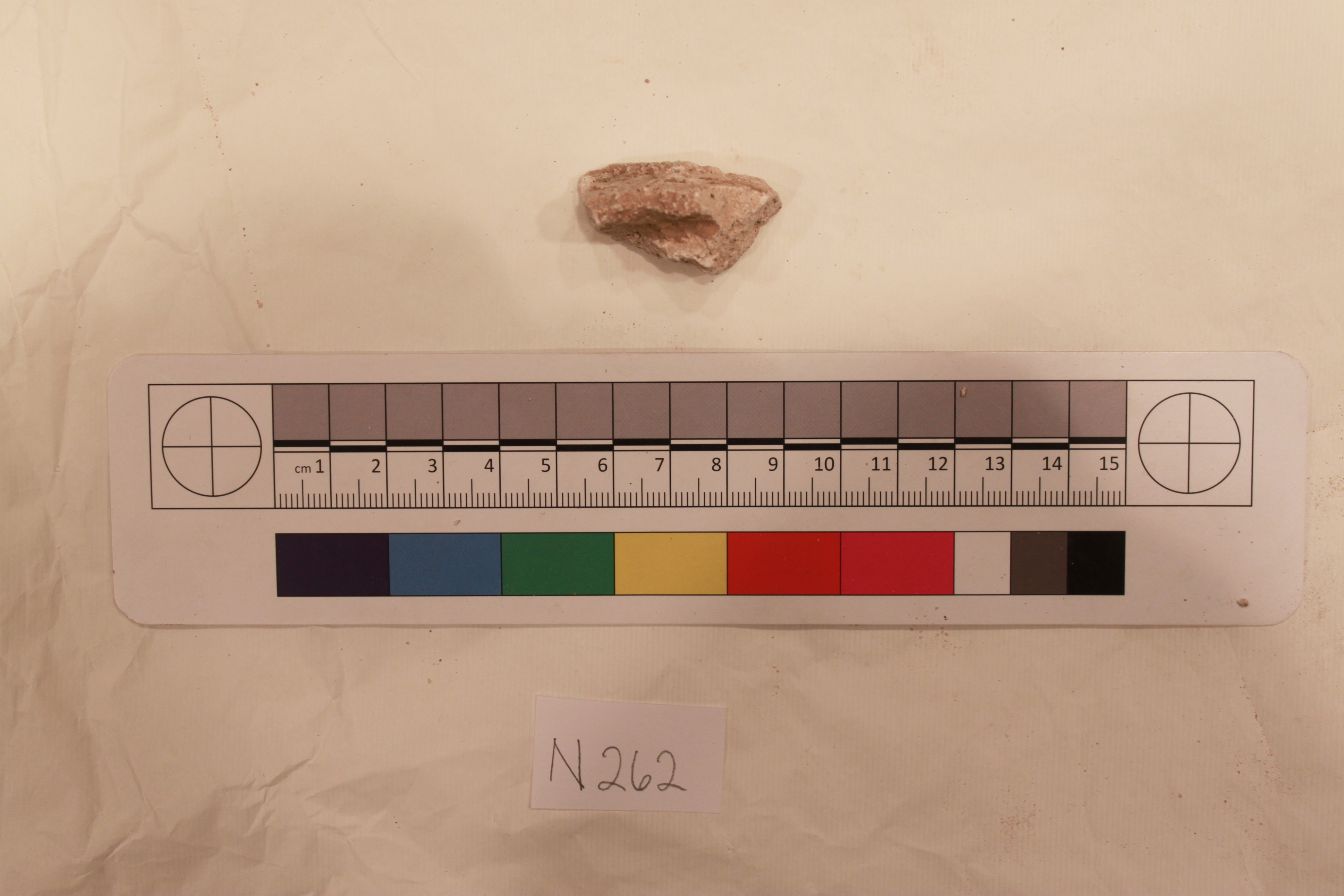
Deconstructing the Architectural Muse: A Couture Analysis of the Stucco Fragment
In the rarefied echelons of haute couture, inspiration is seldom drawn from the ephemeral whims of seasonal trends. Instead, the most profound collections are often born from a dialogue with permanence—with the enduring, silent languages of history, geology, and human craft. At Katherine Fashion Lab, this dialogue has taken a compelling, almost archaeological turn with the latest standalone study: a carved stucco fragment designated as a piece of Global Heritage. This is not merely a reference to a bygone era; it is a masterclass in translating the tactile, textural, and structural grammar of architectural decay into the language of contemporary, wearable art. The analysis of this fragment reveals a sophisticated design philosophy that treats the garment not as a surface for decoration, but as a site of excavation, where layers of meaning are unearthed and reimagined.
The Tactile Lexicon: From Plaster to Plié
Stucco, in its essence, is a material of humble origins—lime, sand, and water—yet it has been the canvas for some of humanity's most exalted artistic expressions, from Roman frescoes to intricate Mughal jaalis. The fragment under study, with its weathered edges and residual traces of pigment, presents a unique textural challenge. The fashion lab’s response is a radical departure from conventional fabric manipulation. Instead of mimicking the smooth, polished surfaces typical of luxury textiles, the design team has engineered a topographic fabric that replicates the material’s inherent porosity and granularity.
The primary innovation lies in the development of a proprietary, mineral-infused silk organza. Through a process of controlled chemical distressing and laser-etched guipure, the fabric’s surface is made to undulate, creating micro-craters and raised ridges that echo the stucco’s original carving. The hand-feel is deliberately paradoxical: the garment possesses the cool, rigid stiffness of dried plaster, yet upon movement, it yields with the fluidity of a liquid. This is achieved through a complex understructure of horsehair canvas and a bias-cut inner lining, allowing the outer shell to crack and shift like a fragile fresco, revealing glimpses of a contrasting, raw silk base beneath. This is not a literal reproduction; it is a transubstantiation of materiality, where the weight of history is transmuted into the drape of a silhouette.
Architectural Silhouettes: The Logic of Load-Bearing Form
The fragment’s carved motifs—geometric interlaces and stylized floral arabesques—are not treated as mere prints. Instead, they are interpreted as structural engineering principles. In the lab’s couture construction, the pattern pieces are designed to mimic the load-bearing logic of architectural vaulting. A signature evening gown from this study features a sculptural, one-shoulder bodice that appears to be carved from a single block of fabric. The shoulder strap is not a narrow strip but a wide, cantilevered panel, folded and manipulated to create a deep, shadowy recess reminiscent of a corbel. The folds are not random; they are meticulously pressed and stitched to follow the fragment’s original chisel marks, creating a series of negative spaces that play with light and shadow across the wearer’s form.
Further, a tailored jacket is reimagined as a piece of deconstructed cornicing. The lapels are elongated and angular, terminating in sharp, asymmetrical points that mimic a broken cornice edge. The closure is not a standard button but a series of hand-carved, resin-cast toggles that replicate the fragment’s missing sections, creating a sense of deliberate, artistic incompleteness. This approach elevates the garment from a simple covering to a conceptual framework, where the wearer becomes the living support for a piece of architectural history. The silhouette is not about the human body’s natural lines but about the tension between the body and the monumental, a dialogue of weight and support.
Palette of Patina: The Chromatic Archaeology
Color, in this study, is treated as a layer of archaeological sediment. The stucco fragment, having endured centuries of environmental exposure, exhibits a complex patina—a stratigraphy of ochre, faded terracotta, and a ghostly, chalky white. Katherine Fashion Lab’s palette is a direct extraction from this strata, avoiding any vibrant or saturated tones. Instead, the collection is anchored in fossilized neutrals: a bone white that is not pristine but veined with fine, grey spiderwebs; a sand beige with an undertone of umber; and a muted, dusty rose that seems to have been leached of its vitality by time.
The dyeing process is as rigorous as the construction. Garments are piece-dyed in small batches using a technique of resist and discharge, where a bleaching agent is selectively applied to remove color, mimicking the natural fading patterns of sun and moisture on plaster. The result is a garment that looks organically aged, with areas of higher wear at the elbows, shoulders, and hems. This is a deliberate rejection of the fashion industry’s obsession with the pristine. The lab posits that true luxury lies not in perfection but in the narrative of decay, in the visible evidence of a garment’s journey through time, even if that journey is artificially accelerated in the atelier.
Embroidery as Epigraphy: Inscribing the Intangible
Perhaps the most intellectually rigorous element of the study is the treatment of embroidery. The fragment’s carved details are translated into a form of tactile epigraphy—a writing on the body. Using a combination of cordonnet, silk floss, and tiny, oxidized metal beads, the artisans have re-created the carving’s low-relief contours. The stitches do not outline the motifs; they are the motifs, building up the surface thread by thread to achieve a three-dimensional, sculptural quality.
This embroidery is not merely decorative; it is a philosophical statement on the value of hand labor in an age of mass production. Each piece requires over 300 hours of handwork, a deliberate act of slow fashion that contradicts the rapid churn of the commercial calendar. The irregularity of the hand-stitching is celebrated, with slight variations in tension and spacing that mimic the imperfections of the original artisan’s hand. In this context, the embroidered garment becomes a reliquary of skill, preserving a craft tradition that is itself as fragile and endangered as the stucco fragment that inspired it. The lab’s work thus functions as a bridge between the tangible artifact and the intangible heritage of human making.
Conclusion: The Garment as a Monument
The standalone study of the stucco fragment at Katherine Fashion Lab is a resounding success in its ambition to elevate fashion to the level of critical discourse. It challenges the wearer and the observer to reconsider the relationship between clothing and the built environment. The collection is not about nostalgia or literal historical reenactment; it is about the transfer of structural and material intelligence. By deconstructing the architectural fragment and reconstructing it through the grammar of couture—the precise cut, the structural boning, the tactile embroidery—the lab has created a series of garments that function as portable monuments. They are objects of beauty, yes, but they are also objects of contemplation, carrying the weight of global heritage in every seam and fold. In a world of disposable fashion, this study stands as a testament to the power of clothing to hold memory, to speak of time, and to embody the enduring human impulse to shape our environment, and ourselves, in the image of our highest aspirations. The stucco fragment is no longer a relic; it is a blueprint for the future of meaningful design.