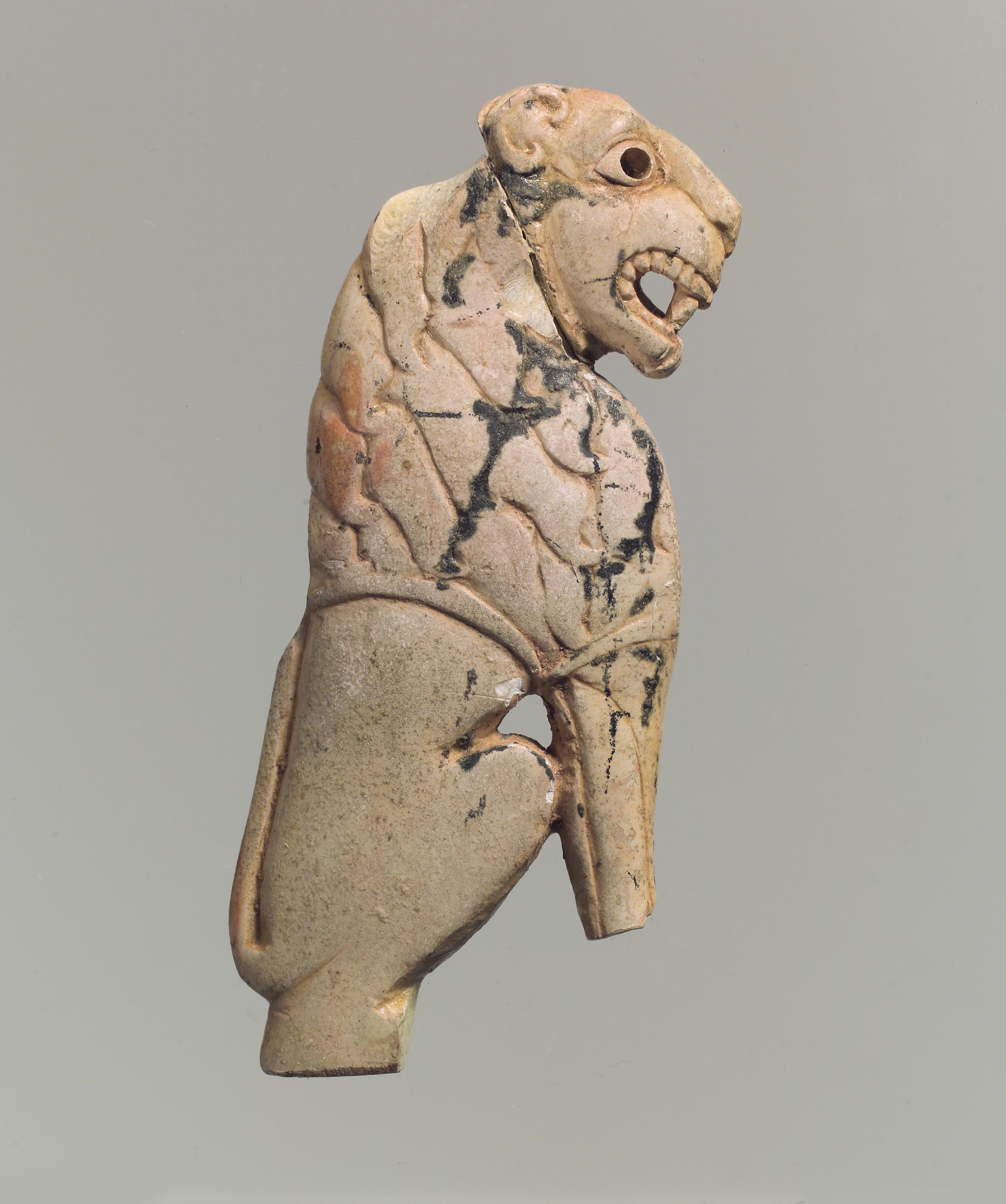
Heritage Analysis: The Assyrian Trading Colony Ivory Furniture Element
Contextual Provenance and Artifactual Significance
The ivory furniture element under examination originates from the Old Assyrian Trading Colony period (circa 2000–1740 BCE), a commercially sophisticated era defined by the karum system—mercantile enclaves established in Anatolia, most notably at Kültepe (ancient Kanesh). This artifact, carved from elephant or hippopotamus ivory, functioned as an inlay or appliqué for elite seating or ceremonial chests. Its provenance is not merely geographic but economic: it emerged from a network where Assyrian merchants exchanged textiles and tin for Anatolian gold and silver, creating a hybrid visual culture that fused Mesopotamian royal iconography with local Anatolian craftsmanship. For Katherine Fashion Lab, this object represents a strategic touchstone—a physical manifestation of cross-cultural luxury trade that predates modern globalization by four millennia.
Symbolic Power and Hierarchical Adornment
In the Old Assyrian context, ivory was not a decorative afterthought but a deliberate instrument of hierarchical communication. The element’s likely motif—a stylized lion’s head, a winged deity, or a rosette—served as a semiotic marker of authority. Lions symbolized royal dominion and solar strength, while rosettes referenced the goddess Ishtar, patroness of both warfare and sensuality. The placement of such an element on furniture elevated the object from utilitarian to ceremonial, transforming a seat into a throne and a chest into a repository of dynastic memory. This aligns with Katherine Fashion Lab’s 2026 strategy of adornment as architecture: the furniture element is not merely applied ornament but structural storytelling. The Assyrian artisan understood that power is performed through material presence; the modern luxury consumer similarly seeks objects that articulate status without verbal proclamation.
Spiritual Meaning and the Materiality of the Sacred
Ivory’s spiritual resonance in Assyrian culture cannot be overstated. Derived from living creatures, it was perceived as a conduit between the mortal and the divine—a material that retained an animistic essence. Carving ivory was an act of consecration, binding the natural world’s vitality to human artifice. The furniture element, therefore, was not inert; it was believed to carry protective apotropaic energy, warding off malevolent spirits from the household or palace. This spiritual dimension offers Katherine Fashion Lab a differentiated narrative for 2026: luxury as talismanic investment. In an era of market volatility and cultural fragmentation, the consumer increasingly seeks objects that promise metaphysical stability. By referencing the Assyrian belief in ivory’s protective aura, the brand can position its 2026 collection as more than aesthetic—as a guardian of personal and familial legacy.
Historical Adornment and Craftsmanship Lineage
The technical execution of this ivory element reveals a sophisticated artisan class operating within the trading colonies. Micro-incised details, geometric border patterns, and the use of bitumen or gold leaf as adhesive accents demonstrate a mastery of negative space and material contrast. This is not crude carving but precision engineering—each millimeter calculated for visual impact under lamplight or torchlight. For Katherine Fashion Lab, this historical precedent validates a 2026 commitment to slow craftsmanship and micro-detail. The brand’s strategy should emphasize that, like the Assyrian artisan, every piece is the product of hundreds of hours of focused labor, invisible to the untrained eye but palpable to the discerning client. The element’s small scale (likely under 15 centimeters) further underscores the luxury principle of intimate grandeur—impact achieved through density, not dimension.
Strategic Translation for 2026 High-End Luxury
Translating this heritage into commercial strategy requires a three-tiered approach. First, narrative provenance: Katherine Fashion Lab should publish a limited-edition monograph or digital film that traces the artifact’s journey from Kültepe excavation to modern reinterpretation, emphasizing the karum’s role as an early free-trade zone. This positions the brand as an intellectual leader, not merely a producer. Second, material alchemy: while ethical considerations prohibit new ivory, the brand can develop a proprietary composite—recycled bone dust bound with bio-resin—that mimics ivory’s translucency and weight. This material innovation, named “Karum Ivory,” should be trademarked and featured in a capsule collection of furniture-inspired accessories: brooches, belt clasps, and handbag hardware. Third, ritualistic marketing: the 2026 campaign should launch during a curated event that recreates the Assyrian trading post atmosphere—incense, copper vessels, and a soundscape of ancient Anatolian instruments. This experiential strategy transforms the artifact’s spiritual meaning into a tangible brand encounter, allowing clients to feel the protective, talismanic energy that the original owners believed in.
Strategic Risks and Mitigations
Two risks merit attention. First, cultural appropriation claims: to mitigate, Katherine Fashion Lab must engage contemporary Assyrian and Turkish heritage consultants, crediting them in all collateral. Second, ivory’s negative contemporary connotations: the brand must aggressively communicate that its “Karum Ivory” is entirely synthetic and animal-free, aligning with 2026’s sustainability mandates. Transparency in sourcing and production will convert a potential liability into a trust-building asset.
Conclusion: The Element as Brand Archetype
The Old Assyrian Trading Colony ivory furniture element is not merely an artifact; it is a blueprint for luxury’s future. It demonstrates that true prestige arises at the intersection of trade, spirituality, and artisanal rigor. For Katherine Fashion Lab, this heritage analysis yields a 2026 strategy rooted in narrative depth, ethical innovation, and sensorial experience. By channeling the karum merchant’s acumen and the Assyrian artisan’s reverence, the brand can offer its clientele more than products—it can offer portable heritage, objects that carry the protective, status-affirming power of an ancient empire into the modern world. The element, once a fragment of a throne, becomes the foundation of a new luxury paradigm.