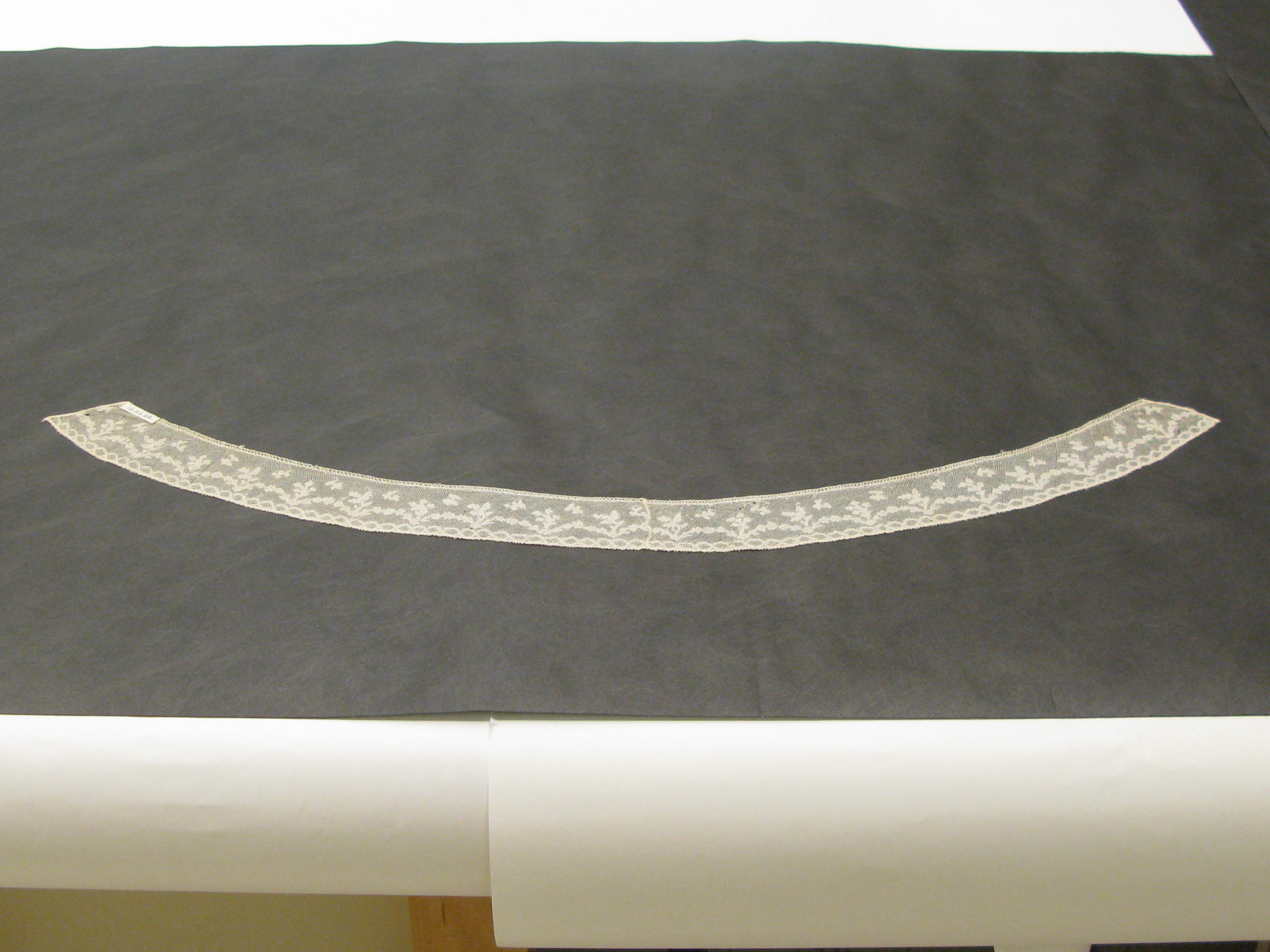
Deconstructing Memory: The Bobbin Lace Fragment as Global Heritage
In the rarefied sphere of haute couture, where innovation often masquerades as rupture, Katherine Fashion Lab’s latest standalone study, Fragment, offers a profound counter-narrative. This is not a collection but a meditation—a single, unyielding investigation into the poetics of incompletion. By isolating the bobbin lace fragment as its sole subject, the Lab elevates a humble, often overlooked textile technique from the realm of craft to the domain of high conceptual art. The result is a masterclass in restraint, a whispered argument that the most powerful statements in fashion are often those left partially unsaid.
The Semiotics of the Unfinished
The choice of the fragment as a primary aesthetic driver is a deliberate provocation against the tyranny of the finished garment. In an industry obsessed with perfection, seamlessness, and the final runway reveal, Katherine Fashion Lab posits that the broken, the severed, and the interrupted possess a more potent narrative charge. A fragment is not a failure; it is an archaeological find. It implies a prior whole, a history of use, and a violent or gentle separation. It invites the viewer to complete the story, to project their own cultural memories onto the gaps in the weave.
This curatorial decision transforms the garment from a static object into a dynamic text. Each frayed edge becomes a sentence trailing off; each unworked thread, a question mark. The wearer is not merely adorned but becomes a custodian of a broken lineage. The Lab’s genius lies in recognizing that the fragment, particularly in lace, is not an absence but a presence of extraordinary density. It holds the memory of the hands that spun the thread, the pattern that was abandoned, and the social context that rendered it obsolete or precious.
Bobbin Lace: A Cartography of Global Hands
Bobbin lace is not a singular tradition but a constellation of regional dialects. From the torchon of France to the Cluny of Belgium, from the intricate Milanese to the geometric Russian Vologda, each style encodes a specific geography, a set of local materials, and a socioeconomic history. By sourcing these fragments from a "Global Heritage" origin, Katherine Fashion Lab performs an act of cartographic curation. The studio does not merely appropriate; it aggregates. A single piece may juxtapose a 19th-century Flemish ground with a contemporary hand-made bobbin element from a Vietnamese atelier, creating a dialogue across centuries and continents.
This approach challenges the Western-centric canon of couture. The fragment becomes a passport, a document of labor that transcends national borders. The Lab’s research, evident in the tactile quality of the work, treats each piece of lace not as a decorative appliqué but as a primary structural element. The bobbin lace is not sewn onto a base fabric; it is the fabric. This requires a radical re-engineering of garment construction, where the fragility of the lace is met with an architectural rigor that allows the piece to stand, drape, and move as a cohesive, albeit shattered, whole.
Materiality and the Logic of the Negative Space
The material study in Fragment is obsessively focused. The Lab eschews the pristine, bleached-white lace of conventional bridal wear in favor of a nuanced palette of ecru, aged ivory, and undyed flax. This chromatic restraint allows the negative space—the holes, the voids, the deliberate gaps—to become the primary visual protagonist. In bobbin lace, the design is defined as much by the absence of thread as by its presence. The Lab amplifies this inherent logic by physically cutting, tearing, and dissolving sections of the lace, creating a meta-fragment within the fragment.
The materiality is further explored through a process of deconstruction and re-contextualization. Some fragments are stiffened with a resin that mimics the patina of ancient parchment, while others are left soft, allowing them to whisper against the skin. This tactile dichotomy—hard versus soft, brittle versus supple—creates a sensory tension that is both intellectual and visceral. The garment becomes a study in the physics of memory: how time hardens some experiences while leaving others fluid and unresolved.
Standalone Study: The Discipline of Singularity
Choosing a standalone study format is a bold curatorial gambit. Without the distraction of a full collection, the viewer is forced into a deep, almost uncomfortable intimacy with the subject. There is no respite, no contrasting silhouette. This singularity is not a limitation but a lens. It allows for a level of technical and conceptual depth that is impossible in a sprawling seasonal offering. The Lab’s decision to focus exclusively on the fragment for this study allows for a forensic examination of technique, from the precise tension of the threads to the deliberate irregularity of the hand-knotted fringes.
This approach also aligns with a broader trend in contemporary luxury toward slow fashion and object permanence. In a world of fast-moving digital trends, the standalone study offers a counterpoint of stillness. It is a museum piece in the making, an artifact that demands to be viewed not once but repeatedly, each viewing revealing a new layer of structural complexity or a new emotional resonance. The absence of a commercial imperative—this is not a "collection" to be merchandised—frees the designer to pursue pure aesthetic research.
The Wearable Paradox
Ultimately, Fragment confronts a central paradox: how can a garment that is deliberately incomplete be considered couture? Couture implies a bespoke, hand-finished perfection. The Lab’s answer is that the perfection lies in the intentionality of the rupture. The cuts are not accidental; they are mapped with the precision of a surgeon. The fraying is not a sign of decay but a deliberate textural flourish. The wearer of a Katherine Fashion Lab fragment is not wearing a damaged item; they are wearing a philosophy.
This philosophy challenges the wearer to reconsider their relationship with clothing. To wear a fragment is to accept impermanence, to embrace the beauty of the broken. It is a statement of intellectual confidence, a refusal to hide behind the facade of the new. In this sense, the bobbin lace fragment becomes a metaphor for the contemporary human condition—a composite of inherited histories, fragmented experiences, and the constant negotiation between preservation and loss. The Lab has not just created a garment; it has created a mirror, held up to the globalized soul, reflecting a beauty that is all the more profound for its edges being raw.
In conclusion, Katherine Fashion Lab’s Fragment is a landmark study in material storytelling. It rescues bobbin lace from the dusty archives of folk tradition and propels it into the vanguard of conceptual couture. By treating the fragment as a complete, autonomous object, the Lab redefines the boundaries of luxury, proving that true opulence lies not in abundance, but in the confident, curated power of what is left unsaid—and unworked.