Ecclesiastical Authority Reconstructed: The Monsignor as a Study in Contradiction
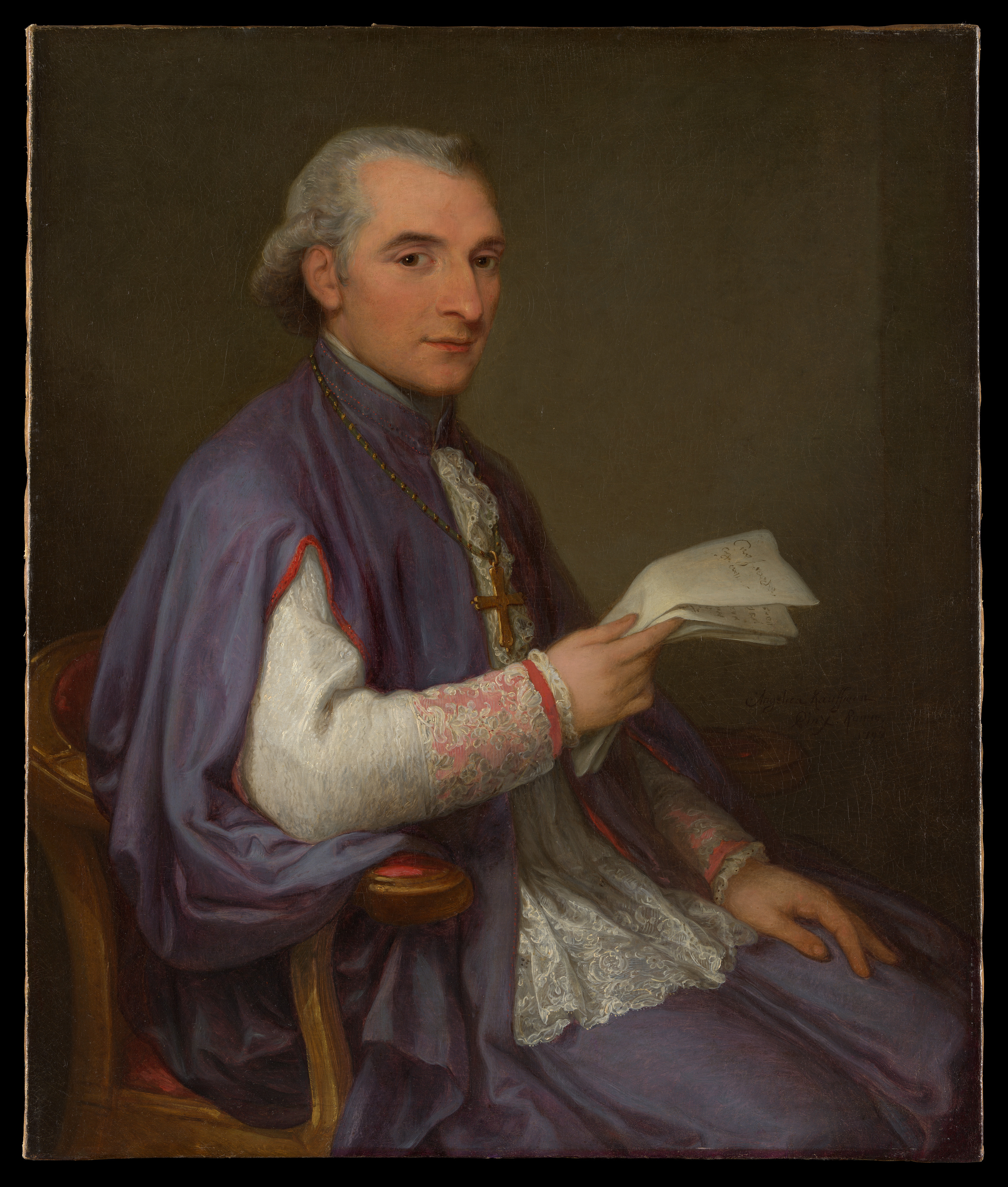
The portrait of Monsignor Giuseppe Spina, an 18th-century prelate and diplomat, presents a formidable challenge and a profound opportunity for sartorial analysis. As a standalone study, divorced from the context of a larger collection or a direct commission narrative, the canvas becomes a pure text of power, ideology, and personal presentation. For Katherine Fashion Lab, this is not merely a historical artifact but a masterclass in the deployment of fabric, cut, and insignia to construct an identity at the precise intersection of sacred authority and worldly negotiation. Spina’s vestments are a uniform of immense symbolic weight, yet their execution reveals the nuanced hand of the individual wearer, offering a blueprint for how couture can simultaneously embody institutional dogma and personal distinction.
The Architecture of Sacred Authority: Silhouette and Substance
The foundational element of Spina’s couture is the mozzetta, the short elbow-length cape worn over the rochet. In this portrait, it is rendered in a rich, cardinal-like crimson, a color that immediately signals high ecclesiastical rank and a connection to the papal court. The Lab’s analysis focuses on its architectural qualities: the mozzetta is not simply draped; it is structured. The severe, rounded line it creates across the chest and shoulders constructs a silhouette of immutable authority. This is a garment designed to broaden and solidify the torso, creating a pillar-like stability. The luxurious, undyed white linen of the rochet beneath provides a stark, pure contrast, its delicate lace (point de Venise, likely) cascading in meticulous folds. This juxtaposition is critical: the hard, colored shell of the mozzetta over the soft, white complexity of the rochet visually articulates the doctrine of the Church as an unchanging fortress protecting a more intricate, sacred interior truth.
Every fastener is a statement. The row of small, identical buttons securing the mozzetta speaks to discipline and uniformity, a rejection of frivolity. They are functional yet ceremonial, emphasizing the act of being *vested* with authority. The choice of oil on canvas as a medium is crucial here; the painter’s ability to render the differential textures—the weight of the wool or silk mozzetta against the ethereal quality of the lace—adds a tactile dimension to our understanding. This is not just clothing; it is a tactile hierarchy.
Insignia as Strategic Personal Branding
While the vestments declare his office, the insignia worn by Monsignor Spina is where the individual emerges from the institutional frame. The pectoral cross, resting squarely on the crimson plane of the mozzetta, is the focal point. Its design is likely understated yet precious—gold, possibly with cabochon gems—eschewing Baroque extravagance for a neoclassical severity that aligns with the intellectual currents of his era. This cross is not merely jewelry; it is a tool of geopolitical identity. As a diplomat who negotiated the contentious Concordat of 1801 with Napoleon, Spina operated in a world where the power of the Church was under direct secular assault.
His insignia, therefore, had to perform a dual function: to be recognizably sacred to Catholic allies and respectfully formidable to secular powers. It signals unwavering faith while also communicating taste, wealth, and thus, temporal influence. The Katherine Fashion Lab interprets this as a premier example of strategic accessorizing, where a single piece is engineered to communicate across multiple cultural and political codes. The portrait’s standalone nature amplifies this; our eye is forced to reconcile the solemnity of the vestments with the subtle, personal power claim of the cross.
The Face and the Fabric: A Study in Psychological Couture
The true genius of this sartorial portrait lies in the dialogue between the subject’s countenance and his attire. Spina’s expression, as captured by the artist, is one of calm, intelligent scrutiny. There is no hint of piety or fervor; instead, we see the assessing gaze of a statesman. The couture provides the authority, but the face reveals its wielder. The stark white of the rochet’s lace collar frames his jawline, directing attention upward to this face of calculation. The crimson mozzetta, while bold, does not overwhelm; it grounds him.
This creates a powerful contradiction that is the essence of his personal brand: the garments of a servant of God, worn with the demeanor of a prince of the world. The clothing makes an absolute claim, while the face suggests a pragmatic relativism necessary for survival in the Age of Revolution. For modern couture, this is a vital lesson: the most powerful ensemble is one that leaves room for the intelligence and intention of the wearer to complete its narrative. The fabric establishes the role, but the bearing defines the performance.
Global Heritage in a Standalone Frame: Lessons for Contemporary Couture
As an object of Global Heritage, this portrait transcends its specific Catholic and Italian origins. It is a universal case study in the couture of power. The Monsignor’s attire is a uniform, but its power derives from impeccable tailoring, luxurious materials, and precise detailing—the very hallmarks of haute couture. The Lab draws direct parallels to the constructed shoulders of a power suit, the symbolic color of a designer’s signature hue, or the strategic placement of a house logo as a modern pectoral cross.
The "standalone study" context is pivotal. It forces us to read the garment as a complete argument, not as part of a comparative collection. In this isolation, every stitch must justify itself. This is the standard Katherine Fashion Lab applies: each element—from the density of the crimson dye to the geometry of the lace pattern—is a conscious choice contributing to a holistic statement of identity. Monsignor Spina’s portrait ultimately reveals that the highest function of couture is not to adorn, but to armor and articulate. It provides the wearer with a visually legible, culturally coded platform from which to project their will, whether in the papal courts of Rome or the boardrooms of the modern world. His legacy is a testament to the enduring power of fabric, cut, and symbol to shape reality itself.