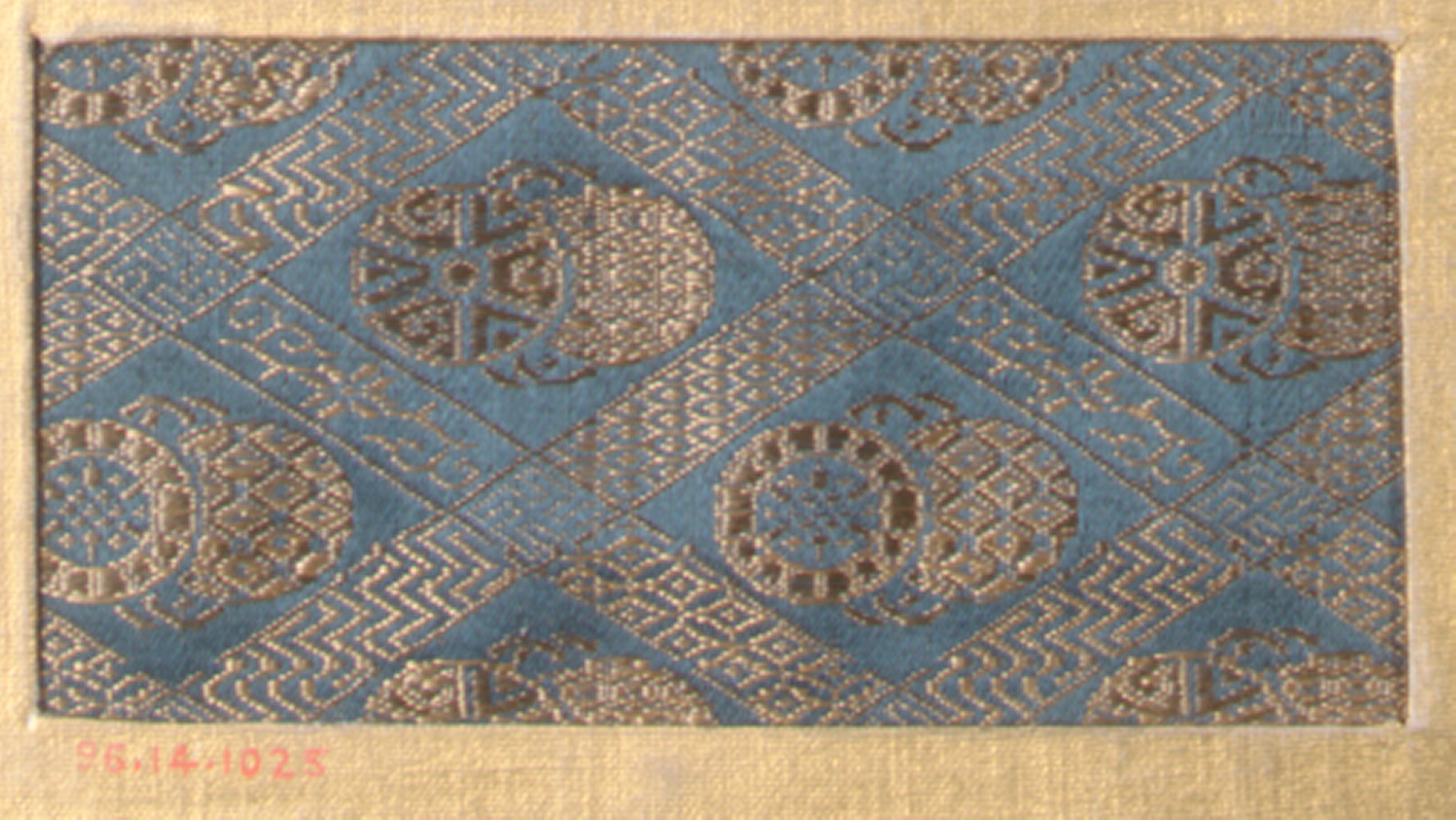
The Art of Restraint: A Couture Analysis of Katherine Fashion Lab’s Silk Study
In the rarefied echelons of haute couture, where novelty often masquerades as innovation, Katherine Fashion Lab’s latest standalone piece—a Japanese-origin silk construction—offers a profound lesson in the power of subtraction. This is not a garment that shouts; it is a garment that whispers, compelling the observer into a silent dialogue with texture, drape, and the meticulous hand of its maker. The piece, presented without the context of a broader collection, functions as a pure case study in material mastery and conceptual rigor. It is a decisive rebuttal to the industry’s relentless churn, positioning the Lab not as a trend follower, but as a custodian of a slower, more cerebral form of luxury.
Material Provenance: The Soul of Japanese Silk
The foundation of this analysis rests upon the fabric itself. Sourced from a heritage mill in the Nishijin district of Kyoto—a region synonymous with the pinnacle of Japanese textile artistry—the silk is not a mere substrate but the primary protagonist. The Lab’s choice of a habutae weave, a plain-weave silk renowned for its lightweight, lustrous finish, is deliberate. Unlike the stiff, architectural silks favored by Western ateliers, this habutae possesses a fluid, almost liquid quality. It is a material that demands surrender from the designer; it cannot be forced into shape but must be coaxed into form.
What elevates this piece beyond mere fabric appreciation is the subtle, unbleached ivory tone. This is not a sterile white, but a warm, organic off-white reminiscent of raw silk cocoons, allowing the natural protein fibers to catch light with a pearlescent shimmer. The absence of synthetic dyes or heavy finishing agents is a testament to the Lab’s commitment to material honesty. The silk’s slight irregularities—the gentle slubs and variations in tension—are not flaws but fingerprints of artisanal production, a stark contrast to the sterile uniformity of mass-produced luxury. In a market saturated with chemically treated, hyper-smooth textiles, this piece champions a return to the tactile, the authentic, and the impermanent.
Deconstructing the Silhouette: A Study in Negative Space
Moving from the material to the form, the piece’s silhouette is a masterclass in architectural minimalism. At first glance, it appears deceptively simple: a single, unbroken column of silk that falls from the shoulders to the floor. Yet, closer inspection reveals a complex system of hidden seams and strategic gathers that create a dynamic interplay between volume and restraint. The garment does not cling to the body; rather, it hovers, creating a micro-environment of air between the fabric and the skin. This is a deliberate nod to the Japanese aesthetic of ma—the meaningful void, the space between things.
The construction eschews the Western corsetry and boning that define many couture pieces. Instead, the Lab employs a technique reminiscent of traditional Japanese origami, where the fabric is folded and pleated to create structure without additional support. A single, sharp pleat runs diagonally from the left hip to the right shoulder, visually slicing the garment in two. This angular line introduces a subtle tension, a moment of geometry against the fluid organicity of the silk. The result is a garment that is simultaneously static and kinetic—it appears immobile when the wearer is still, but with each step, the pleat unfolds and refolds, creating a ripple effect that animates the entire piece.
The Absence of Ornament: Embroidery as a Conceptual Act
In a world where couture is often synonymous with excessive embellishment—beading, sequins, and heavy embroidery—Katherine Fashion Lab makes a radical choice: the absence of ornament. There is not a single bead, sequin, or metallic thread on this garment. The only “decoration” is the manipulation of the silk itself. This is a deliberate conceptual act, shifting the viewer’s focus from what is added to what is inherent. The texture of the weave, the subtle sheen of the fiber, and the precise fall of the fabric become the sole sources of visual interest.
This restraint is not a lack of skill but a demonstration of supreme confidence. The atelier’s embroidery team, renowned for their intricate work on previous collections, has here been tasked with a different challenge: negative embroidery. Instead of adding threads, they have removed them. In several discreet sections, the weft threads have been carefully extracted, leaving behind a ghostly, semi-transparent grid. This technique, known as karami in Japanese textile tradition, creates a subtle textural variation that is only perceptible at close range. It is an intimate secret between the garment and its viewer, rewarding those who take the time to look beyond the surface. This is luxury as a private language, not a public spectacle.
Wearability and the Modern Couture Client
One might question the practicality of such a delicate, unadorned piece. Yet, this is precisely where the Lab’s genius lies. The garment is designed for the modern, discerning client who values intellectual engagement over ostentatious display. It is not a costume for a gala, but a statement for a private viewing, a curated dinner, or a moment of personal power. The silk’s natural breathability and fluid drape make it surprisingly comfortable, allowing for ease of movement that is often absent in rigid couture structures.
The piece is also a study in transformative versatility. While presented as a standalone gown, the internal construction allows for the wearer to adjust the drape via a series of hidden silk cord ties. The diagonal pleat can be shifted, transforming the silhouette from a narrow column to a wider, more flowing A-line. This interactive element is a radical departure from the static, museum-piece mentality of traditional couture. It positions the wearer not as a passive mannequin, but as a co-creator, an active participant in the garment’s final expression. This aligns perfectly with a contemporary shift towards conscious consumption, where a single, high-quality piece can serve multiple functions and moods, reducing the need for excessive wardrobe accumulation.
Conclusion: A Blueprint for the Future of Couture
Katherine Fashion Lab’s Japanese silk piece is more than a garment; it is a manifesto. In its quiet way, it challenges the very definition of haute couture. It argues that true luxury is not found in the volume of embellishment, but in the depth of thought, the purity of material, and the precision of execution. By stripping away the extraneous, the Lab has amplified the essential. This standalone study serves as a powerful reminder that couture’s future lies not in louder, faster, or more, but in the profound art of restraint. It is a piece that will be studied, not just worn; a testament to the enduring power of silk, the wisdom of Japanese craft, and the unshakeable vision of a lab that dares to be quiet in a world that screams.