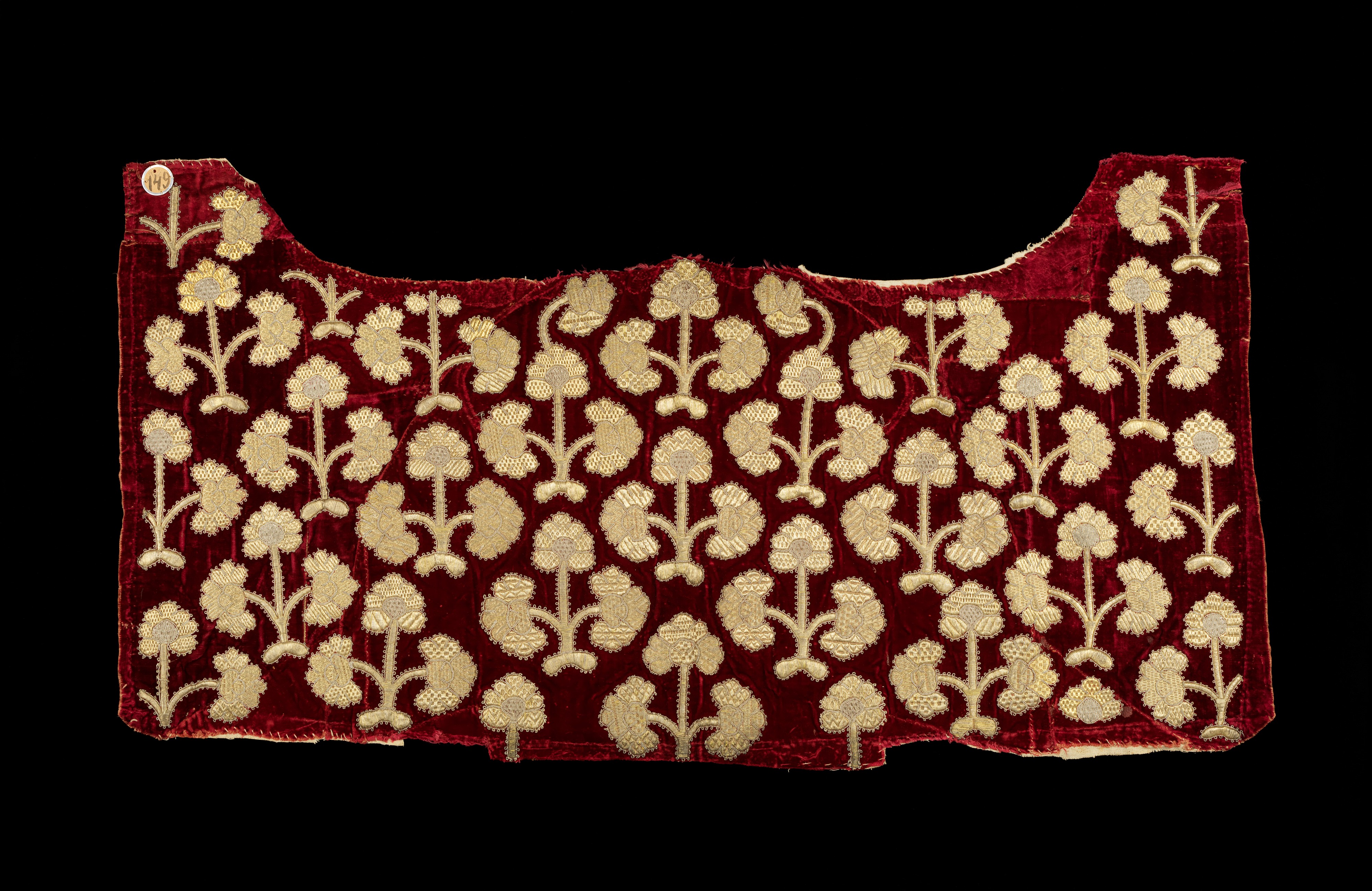
The Vestment Reimagined: A Study in Global Heritage and Material Alchemy
In the rarefied echelons of contemporary couture, where innovation is often conflated with disruption, Katherine Fashion Lab’s latest standalone study—the Vestment—offers a profound recalibration. This is not merely a garment; it is a thesis on the enduring power of ritual, draped in the language of modern minimalism. By sourcing its conceptual DNA from global ecclesiastical and ceremonial traditions, the Lab has produced a piece that transcends geographic and temporal boundaries, asserting that true luxury is found not in novelty, but in the meticulous reinterpretation of the sacred.
The Vestment is a masterclass in material dialectics. At its core lies a substantial, liquid-weight silk—a material historically synonymous with both imperial power and spiritual purity. Yet, the Lab subverts the expected softness of silk by integrating structural elements of oxidized metal—not as ornament, but as architecture. Thin, almost skeletal filaments of gunmetal and antique brass are woven into the garment’s internal seams, creating a hidden exoskeleton that allows the fabric to stand away from the body in sculptural, almost architectural volumes. The result is a paradox: a garment that feels weightless yet possesses a commanding, grounded presence. The silk catches light with a fluid, pearlescent sheen, while the metal, deliberately unpolished, absorbs it, creating a chiaroscuro effect that shifts with every movement. This is not a clash of materials; it is a negotiated harmony—the ephemeral held captive by the eternal.
Deconstructing the Silhouette: From Chasuble to Armor
The silhouette of the Vestment is a deliberate departure from the conventional couture gown. Drawing from the chasuble of Western Christian liturgy and the kesa of East Asian Buddhist monasticism, the Lab constructs a garment that is both voluminous and disciplined. The front panel falls in a clean, unbroken line from the shoulders to the floor, reminiscent of a priestly vestment’s solemnity. However, the back is where the study’s true innovation resides. A series of concealed metal hinges and articulated panels allow the wearer to manipulate the drape—transforming the piece from a static, columnar form into a dynamic, wing-like structure that echoes the ceremonial armor of the Samurai or the feathered cloaks of Polynesian nobility.
This duality is central to the Lab’s philosophy. The Vestment is not designed to be merely worn; it is designed to be performed. The metal infrastructure, while invisible to the casual observer, grants the wearer agency over their own presentation. One can choose the humility of a closed, contemplative silhouette or the authority of a fully extended, commanding presence. In this sense, the garment functions as a secular talisman—a tool for negotiating power in the modern arena, whether that be a boardroom, a gallery opening, or a private audience. The heavy, deliberate sound of the metal hinges clicking into place becomes a subtle, percussive announcement of intent.
The Grammar of Adornment: Metal as Narrative
While the silk provides the canvas, the metal provides the narrative. Katherine Fashion Lab has eschewed traditional embroidery in favor of applied metallic calligraphy. Across the shoulders and down the spine, the artisans have hand-set hundreds of micro-fine metal discs, each one engraved with a fragment of script from a different global tradition—a rune, a cuneiform mark, a Sanskrit syllable, a Celtic knot. These are not legible texts, but rather phonetic echoes, designed to be read as abstract patterns rather than language.
This choice is intellectually rigorous. By decontextualizing these sacred glyphs, the Lab forces the viewer to confront the universal human impulse toward marking the body with meaning. The metal discs, polished only on their edges, catch the light in a way that mimics the glint of ancient reliquaries. The effect is not decorative but incantatory. The garment hums with a quiet, encoded energy, suggesting that the wearer carries a history far older than their own biography. It is a powerful commentary on cultural appropriation versus cultural appreciation—the Lab does not borrow a single tradition wholesale but instead creates a new, syncretic lexicon that honors the origins while refusing to be confined by them.
The Art of Weight and Balance
From a technical couture perspective, the Vestment is a feat of engineering. The primary challenge lay in distributing the weight of the metal without compromising the fluidity of the silk. The Lab’s solution involves a counterweight system hidden within the hem and the collar. Precisely calibrated ingots of brass are sewn into the silk’s inner lining, creating a gravitational pull that anchors the garment to the body. When the wearer moves, the silk flows upward while the metal counterweights resist, producing a tension that is visually breathtaking—the fabric appears to be perpetually in a state of gentle suspension, defying gravity.
This balance extends beyond the physical. The Vestment’s palette—a sober mix of ivory, bone, and shadowed graphite—is deliberately austere. There is no color to distract the eye; the viewer is forced to engage with texture, light, and form. The absence of chromatic excess is a bold statement in an era of dopamine dressing. It signals a return to a more cerebral, contemplative form of luxury, one that prioritizes longevity and meaning over seasonal trends. The garment is designed to be an heirloom, a piece that will develop a patina of use over decades, with the metal aging gracefully alongside the silk.
Vestment as a Standalone Study: Implications for Modern Couture
As a standalone study, the Vestment serves as a critical manifesto for Katherine Fashion Lab’s broader design ethos. It challenges the industry’s obsession with speed and disposability. Here, production is slow, deliberate, and almost monastic in its focus. Each piece is numbered and requires over 200 hours of hand-finishing. The garment is not intended for mass replication; it is a singular object, a wearable artifact that exists in dialogue with the wearer and their environment.
Moreover, the Vestment questions the very definition of "wearability." It is not a garment that adapts to the body; rather, it demands that the body adapt to it. The posture required to wear it is inherently upright and dignified. The shoulders are squared, the spine is elongated. In this way, the Vestment operates as a form of sartorial discipline, encouraging a physical and mental state of grace. It is a garment for those who understand that true presence is not about being seen, but about being felt.
In conclusion, Katherine Fashion Lab’s Vestment is not merely an item of clothing but a profound meditation on the intersection of heritage, materiality, and human ritual. By fusing the ethereal drape of silk with the unyielding structure of metal, the Lab has created a garment that is at once ancient and futuristic, sacred and secular. It stands as a testament to the idea that couture, at its highest form, is not about dressing the body, but about clothing the spirit with intention and gravity. This is not fashion for the faint of heart; it is fashion for those who understand that what we wear can be a vessel for history, power, and transcendence. The Vestment is a masterpiece of quiet authority, and it cements Katherine Fashion Lab’s position as a vanguard of meaningful, material-driven design.