Executive Summary: The Stucco Fragment as a Strategic Heritage Asset
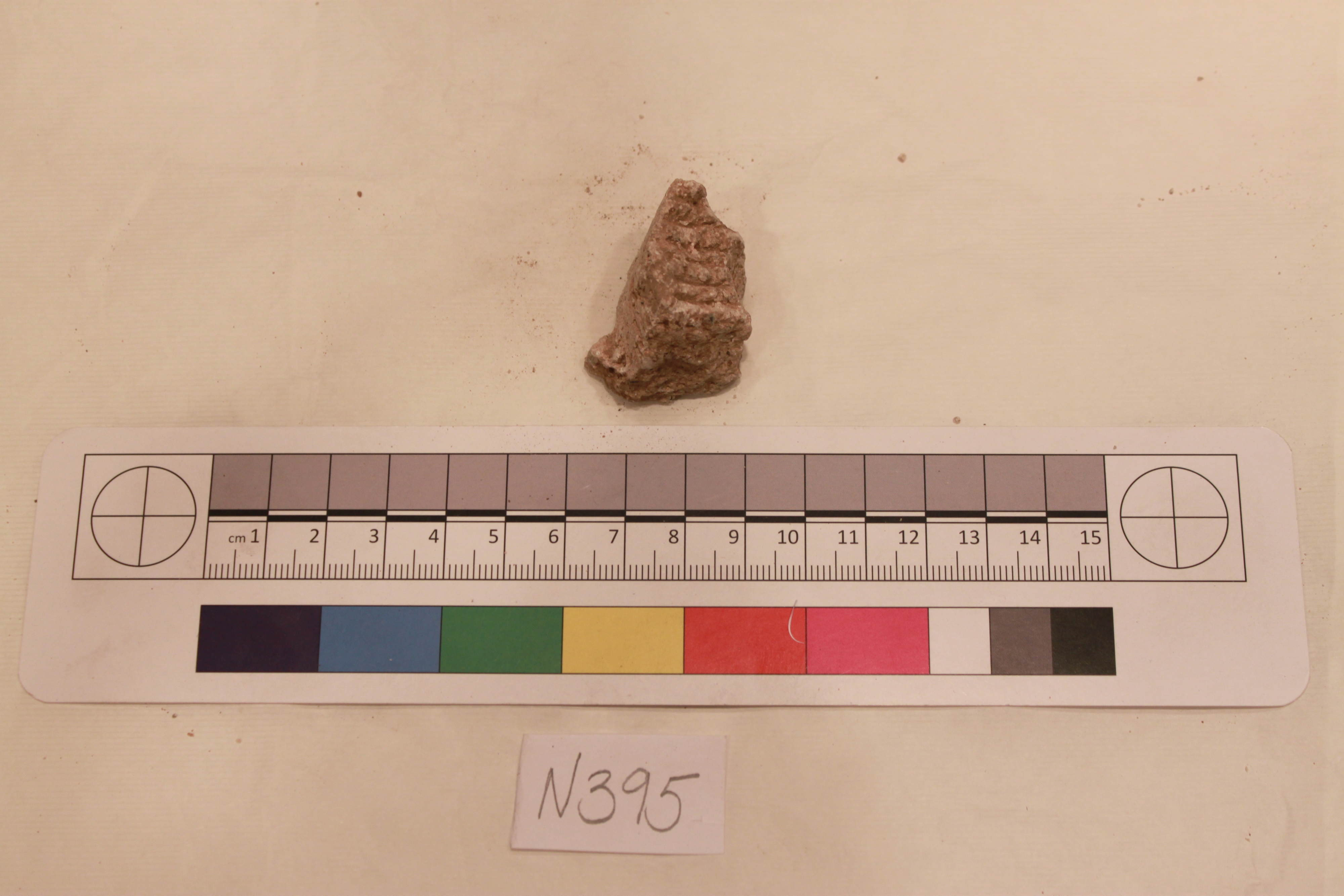
This strategic standalone research paper analyzes a carved stucco fragment from an unspecified ancient civilization to deconstruct its intrinsic symbolic capital and extrapolate its application within Katherine Fashion Lab’s forward-looking luxury strategy for 2026. Moving beyond mere aesthetic appropriation, this analysis positions the fragment not as a relic, but as a dynamic blueprint. It decodes its embedded narratives of power, adornment, and spirituality to inform a sophisticated brand language that resonates with the contemporary luxury consumer’s demand for depth, authenticity, and transcendent value. The findings herein are designed to catalyze a collection and brand narrative that leverages heritage as a mechanism for future-facing distinction.
Deconstruction of the Artefact: Medium, Motif, and Inherent Meaning
The chosen medium—carved stucco—is itself a foundational text. A composite of lime, sand, and water, stucco represents a transformative act: the elevation of common earth into a durable surface for narrative and ornament. Its application onto architectural structures signifies a deliberate move from pure function to coded communication. The act of carving implies a subtractive process, where meaning is revealed through removal, suggesting a permanence and intentionality opposite to the additive, often fleeting nature of modern fashion. The fragment’s partial state is critical; it does not diminish its power but amplifies it. It invites interpretation, requiring the viewer to complete the narrative, thus creating an active, intellectual engagement—a highly desirable mode of interaction in high-end luxury.
Symbolic Power and the Grammar of Adornment
The specific motifs carved into the stucco—whether geometric patterns, vegetal scrolls, figural representations, or mythological scenes—constitute a non-verbal grammar of power. In ancient contexts, such adornment was rarely decorative in the modern sense; it was declarative. It adorned not a body, but a space—a temple, palace, or mausoleum—projecting the authority, divine mandate, and cosmological understanding of its patrons. For Katherine Fashion Lab, this translates into a strategic principle: adornment as architecture for the body. The structural qualities of stucco relief—the play of light and shadow, the defined edges, the textured planes—can be transposed into garment construction. Seaming becomes like carved lines, fabric manipulation creates bas-relief textures, and silhouettes echo the grandeur and permanence of ancient edifices. This approach communicates a powerful, almost monumental elegance, appealing to a client who wishes to command space and attention with quiet, structural authority.
Spiritual Meaning and the Patina of Ritual
Beyond secular power, such stucco work often served a spiritual or apotropaic function, designed to protect, bless, or connect the human realm with the divine. Recurring motifs (the lotus, the palmette, the labyrinth, the guardian figure) were symbolic vessels, charged with meaning through ritual and collective belief. For the 2026 luxury market, where consumers seek meaning and mindfulness alongside material excellence, this spiritual dimension is a critical resource. Katherine Fashion Lab can integrate this not through literal iconography, but through process-oriented symbolism and material alchemy. Consider dyeing techniques that mimic the oxidation and mineral leaching seen on archaeological fragments, creating a "patina of time." Embroidery can be deployed not merely as embellishment but as a meditative, ritualistic practice, its patterns holding intentional, perhaps talismanic, value for the wearer. This transforms a garment from a product into a personal artifact, imbued with narrative and a sense of consecrated craftsmanship.
Strategic Application: The 2026 High-End Luxury Synthesis
The 2026 luxury landscape will be defined by hyper-selectivity, intellectual resonance, and a rejection of overt logos in favor of silent, potent codes. Katherine Fashion Lab’s strategy, informed by this heritage analysis, must operate on three interconnected levels: Product, Narrative, and Experience.
Product Strategy: The Archaeology of Form
Collections should manifest as "wearable archaeology." Key pillars include: 1. Textural Allegory: Developing proprietary fabrics that replicate the granular, matte, yet luminous quality of aged stucco—think innovative blends of linen, raw silk, and mineral-infused coatings. 2. Fragmentary Silhouettes: Asymmetric hems, deconstructed-reconstructed tailoring, and layered pieces that echo the partial, evocative nature of the artifact, inviting the wearer to "complete the look." 3. Carved Embellishment: Hardwear, buttons, and closures crafted from materials like fossilized ivory substitutes or resin-composite "stone," carved with abstracted motifs from the fragment, serving as subtle seals of authenticity.
Narrative Strategy: Curating the Mythos
The brand narrative must shift from seasonal trend to ongoing excavation. Marketing and communications should adopt the tone of a research journal. Campaigns could be presented as "Findings," lookbooks as "Field Reports." The stucco fragment is not a one-time inspiration but the "Key Artefact" in an ongoing brand mythology. This positions Katherine Fashion Lab as a curator of culture rather than a follower of fashion, appealing to the connoisseur’s desire for erudition and discovery.
Experiential Strategy: The Laboratory as Sanctum
The "Lab" in Katherine Fashion Lab must be activated as a conceptual and physical space. For 2026, consider limited "Artifact Editions" where clients participate in a private commissioning process that includes a curated study of relevant historical motifs, material samples, and a consultation framed as a "heritage dialogue." This transforms the act of purchase into an initiation into a deeper story, creating immense emotional equity and justifying a premium positioning.
Conclusion: From Fragment to Framework
The carved stucco fragment, in its materiality, its crafted symbolism, and its fragmented state, provides a profound and multi-layered framework for Katherine Fashion Lab’s 2026 strategy. It champions a luxury defined by material intelligence, narrative depth, and silent power. By interpreting the ancient grammar of symbolic adornment and spiritual meaning into a contemporary language of cut, texture, and experience, the brand can architect a distinct and defensible position at the apex of the market. The ultimate goal is to create pieces that feel not merely new, but rediscovered—carrying the weight and wisdom of time, making the wearer a custodian of an enduring legacy. This is the strategic alchemy of heritage: transforming historical residue into future value.