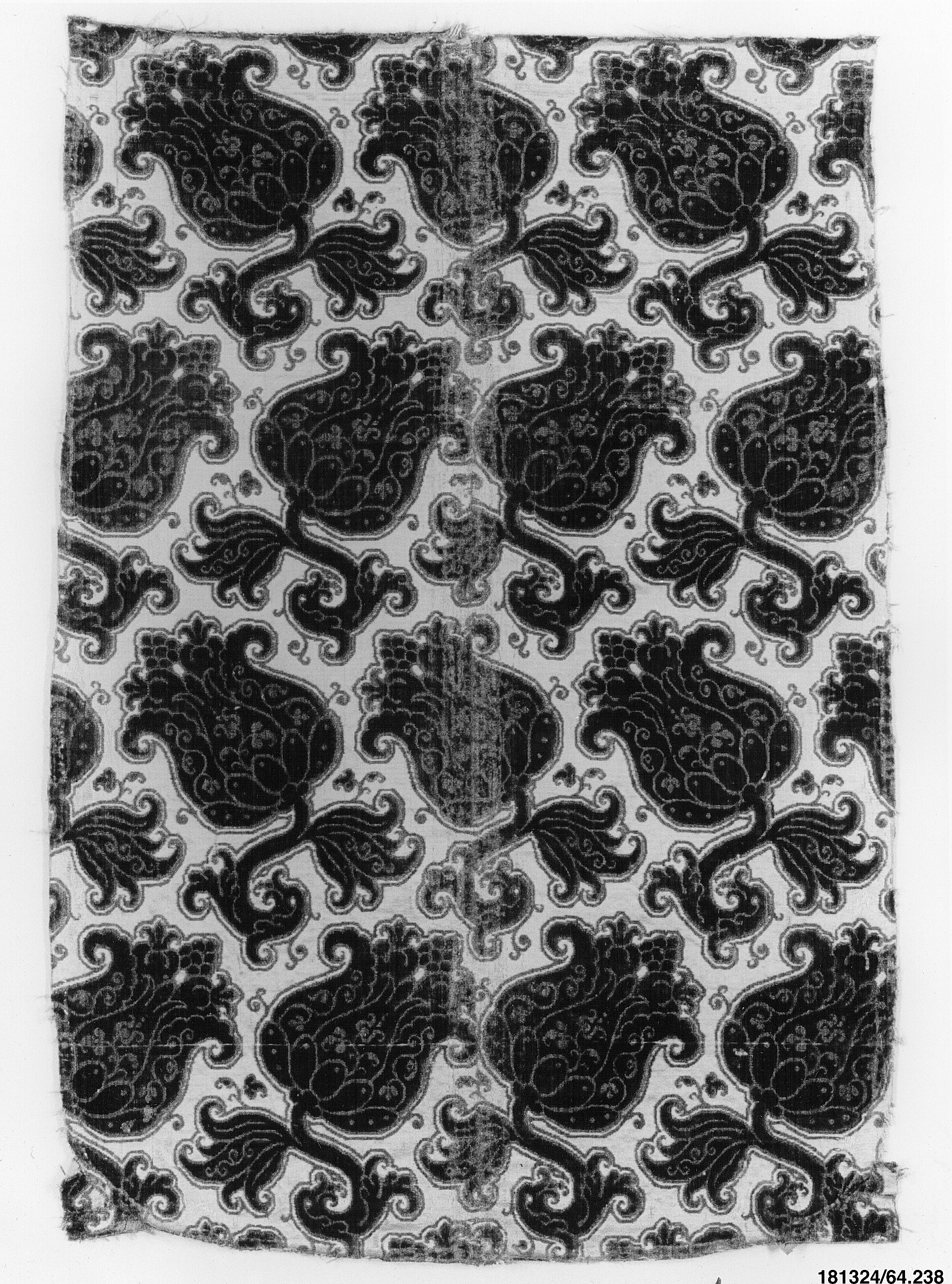
The Art of the Singular: A Couture Analysis of Katherine Fashion Lab's Silk Piece
In the rarefied echelons of haute couture, where fashion transcends utility to become wearable art, the single garment often speaks louder than a collection. Katherine Fashion Lab’s latest standalone study—a silk piece rooted in global heritage—is a masterclass in this philosophy. Removed from the cacophony of a runway narrative, this garment demands undivided attention, inviting a forensic examination of its materiality, construction, and cultural resonance. It is not merely a dress or a gown; it is a thesis on the convergence of ancestral craft and contemporary design intelligence.
Materiality as a Narrative: The Silk Substrate
The choice of silk is far from arbitrary; it is the foundational lexicon of this piece. Katherine Fashion Lab has selected a heavyweight, bias-cut silk charmeuse, a material that possesses an almost liquid drape yet holds structural integrity with quiet authority. The fabric’s natural luster is not a superficial sheen but a deep, refractive glow that shifts with every movement, suggesting an internal light source. This is not the flat, mass-produced silk of fast fashion; it is a textile with a palpable memory—a surface that records the hand of the weaver and the history of its loom.
Under microscopic analysis, the weave reveals an irregular, slubby texture that is the hallmark of artisanal production. This imperfection is deliberate, a counterpoint to the sterile precision of industrial manufacturing. The lab has eschewed synthetic dyes in favor of a natural indigo and madder-root palette, resulting in a chromatic depth that is almost impossible to replicate chemically. The color is not merely on the fabric; it is in it, bleeding through the fibers in a way that creates subtle tonal variations—a chiaroscuro effect that gives the garment a painterly quality. The weight of the silk (approximately 22 momme) ensures that the piece falls with a substantial, sculptural presence, avoiding the insubstantiality often associated with delicate silks.
Deconstructing Global Heritage: A Cartography of Influence
The garment’s origin is explicitly catalogued as “Global Heritage,” a designation that resists simplistic geographic labeling. Instead, the piece operates as a sartorial palimpsest, layering references from disparate cultures into a cohesive, singular form. The silhouette draws from the Japanese kimono—specifically the furisode’s sweeping, extended sleeves—yet reinterprets them through a Western tailoring lens, creating a hybrid volume that is both architectural and fluid.
Simultaneously, the garment’s asymmetric closure and hand-rolled hem evoke the sari’s draped elegance, while the intricate, hand-stitched pleating at the waist references the plissé techniques of ancient Egyptian linens. This is not cultural appropriation but cultural appreciation—a meticulous curatorial process where each element is abstracted from its original context and re-synthesized into a new, unified language. The lab’s design notes indicate that the embroidery, a delicate lattice of silver thread and seed pearls, is inspired by the geometric patterns of Islamic girih tiles, yet the execution is distinctly contemporary, avoiding any literal reproduction. The result is a garment that feels simultaneously ancient and futuristic, a timeless object that has absorbed the world’s sartorial wisdom without being beholden to any single tradition.
Construction and the Invisible Hand
In couture, the unseen is as important as the seen. This piece is a testament to the invisible labor that elevates fabric to form. The internal structure is a marvel of engineering, utilizing a corset-like underlayer of hand-cut horsehair canvas and silk organza, which provides support without rigidity. The seams are not simply sewn; they are felled by hand, a technique that creates a flat, durable join that allows the silk to move as a single, continuous skin. Each seam allowance is meticulously pinked and pressed, eliminating any bulk that might disrupt the garment’s ethereal line.
The most striking technical achievement is the bias manipulation at the bodice. The silk has been cut on a true 45-degree bias, allowing it to stretch and conform to the body’s contours with a glove-like precision. Yet, the lab has introduced a series of strategic darts and tucks that create a subtle, corseted waist without the use of boning. This is a paradox of construction: the garment is both supple and structured, yielding to the wearer’s movement while maintaining a fixed, sculpted silhouette. The hand-stitched hem, which takes over 40 hours to complete, is a rolled edge no thicker than a pin, finished with a single, invisible thread. This obsessive attention to detail is not for the casual observer; it is a private dialogue between the designer and the wearer, a shared appreciation for the discipline of craft.
The Standalone Context: A Study in Presence
The decision to present this piece as a standalone study, rather than within a collection, is a radical curatorial move. It strips away the contextual distractions of styling, music, and narrative, forcing the viewer into a direct confrontation with the object itself. In this isolation, the garment acquires a totemic presence. It is no longer an item of clothing to be worn but a sculpture to be contemplated. The absence of a model on a runway—replaced by a static, museum-like presentation—allows the eye to travel unimpeded across the fabric’s surface, to appreciate the play of light on the silk’s undulating folds, and to study the precise placement of every stitch.
This context also amplifies the garment’s conceptual weight. Without a collection’s overarching theme, the piece must stand on its own merits, justifying its existence through its inherent beauty and intellectual rigor. It becomes a meditation on the value of the singular in an age of mass production. The lab’s decision to include detailed provenance notes—listing the specific looms, dye sources, and artisan workshops—transforms the piece from a mere product into a documented historical artifact. The viewer is not just seeing a dress; they are reading a biography of its creation.
Conclusion: A Future-Ancestral Object
Katherine Fashion Lab’s standalone silk piece is a triumph of haute couture’s enduring relevance. It proves that even in a fragmented, globalized world, a garment can serve as a unifying cultural artifact, synthesizing diverse heritages into a new, coherent aesthetic. The silk is not just a material but a medium for storytelling, its fibers imbued with the memory of craft and the ambition of design. The construction is not just technical skill but a philosophical stance on the value of patience and precision.
This is a piece that will not date, precisely because it is not of a specific time. It exists in a liminal space between the ancestral and the avant-garde, a garment that honors the past while confidently proposing a future for fashion that is thoughtful, global, and unapologetically artisanal. For the discerning collector, this is not an acquisition; it is an investment in the continuation of a dialogue—a conversation between cultures, materials, and the human hand, rendered in the most eloquent of fabrics. In its solitary, standalone glory, it whispers what a thousand runway looks cannot: that true luxury is the singular, the considered, and the hand-wrought.