The Roman Key: A Heritage Analysis for Katherine Fashion Lab
Introduction: Unlocking the Semiotic Weight of the Roman Key
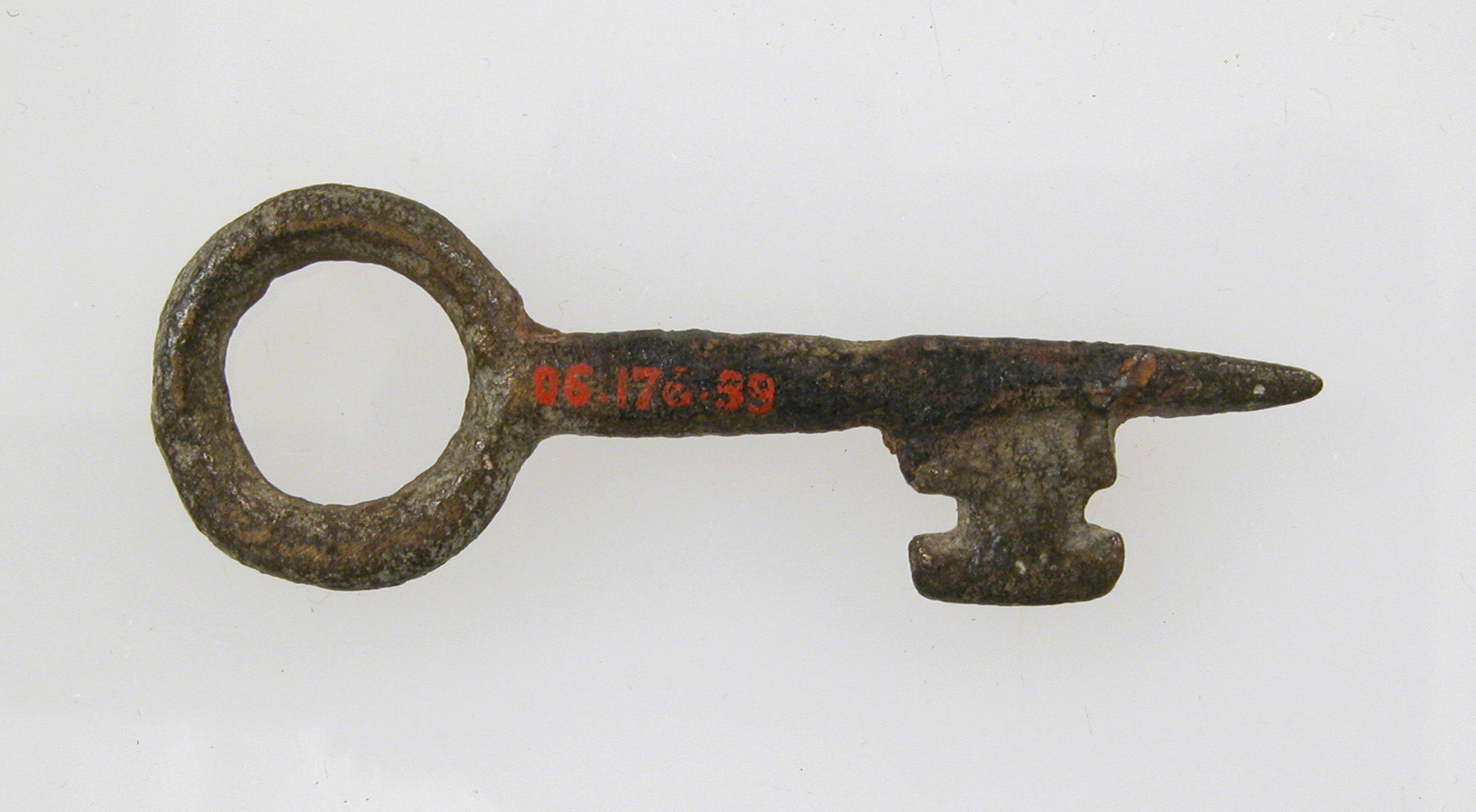
The Roman key, typically rendered in copper alloy and worn as a functional ornament, is far more than a mechanical instrument of access. Within the cultural lexicon of antiquity, it functioned as a potent emblem of authority, domestic sovereignty, and spiritual transition. For Katherine Fashion Lab, this artifact offers a rich strategic foundation for a 2026 luxury collection, leveraging its dual nature as both a utilitarian object and a talisman of profound symbolic power. This analysis deconstructs the key’s historical resonance and translates its semiotic weight into a contemporary high-end brand narrative, positioning the house as a curator of meaning rather than mere ornament.
Symbolic Power: Authority, Dominion, and the Feminine Gaze
In Roman society, the key was not a neutral tool. Its possession signified control over physical and metaphysical boundaries. The paterfamilias held the keys to the household’s valuables, but equally, the materfamilias wore keys as a visible badge of her domestic authority. This is a critical nuance for luxury positioning: the key is a gendering object of power, often associated with the matron’s stewardship of the home, treasury, and lineage. The copper alloy medium—durable, warm, and conductive—was not chosen for economy but for its alchemical properties. Copper, sacred to Venus, was believed to amplify emotional and financial security. Thus, the key worn at the waist or as a fibula was a public declaration of trust, responsibility, and unassailable control over one’s domain.
For Katherine Fashion Lab, this translates into a design philosophy that celebrates quiet authority. The 2026 collection should not scream power; it should whisper it through intricate, tactile details. A key-shaped pendant in brushed copper alloy, or a clasp that mimics a Roman key’s bit and bow, becomes a subtle signal to the discerning wearer—one who understands that true luxury is the ability to grant or deny access, both literally and socially.
Historical Adornment: From Functional Fastener to Status Marker
Archaeological evidence indicates that Roman keys, particularly those in copper alloy, were frequently oversized and elaborately decorated, rendering them impractical for daily locking mechanisms. This deliberate deviation from function toward form is a masterclass in status signaling. The keys were often attached to rings—the anulus—or suspended from belts, creating a jingling sound that announced the wearer’s presence. This auditory cue was a primitive form of brand recognition: the sound of copper alloy keys was synonymous with wealth, security, and social rank.
In the context of high-end luxury, Katherine Fashion Lab can reinterpret this historical adornment through the lens of sensory branding. The 2026 collection should incorporate elements that engage not just sight but also sound and touch. Consider a signature closure system—a key-shaped toggle that emits a low, resonant chime when fastened, reminiscent of Roman copper. This is not nostalgia; it is a strategic deployment of historical haptics to create a unique brand touchpoint. The weight of the copper alloy, slightly heavier than modern substitutes, offers a grounding, substantive feel that distinguishes the piece from mass-market jewelry. The patina of the metal, whether polished or intentionally oxidized, tells a story of time and endurance, aligning with the luxury consumer’s desire for permanence in a disposable world.
Spiritual Meaning: The Key as a Threshold to the Divine
Beyond the domestic sphere, the key held profound spiritual significance in Roman religion. The goddess Cardea, protector of door hinges, and Janus, the two-faced god of beginnings and transitions, were intimately linked with keys. The key was a symbol of initiation into mystery cults, particularly those of Cybele and Mithras, where it represented the unlocking of hidden knowledge and the soul’s passage through the gates of life and death. A copper alloy key, buried with the deceased, was an eschatological tool—a practical and symbolic provision for navigating the afterlife.
For a modern luxury brand, this spiritual dimension offers a powerful narrative of transformation and exclusivity. The key is not merely an accessory; it is an instrument of personal initiation. Katherine Fashion Lab can position its 2026 collection as a "threshold collection," inviting the client to unlock their own potential. The marketing narrative should avoid overt religiosity but embrace the archetype of the key as a gateway to a more curated, intentional existence. This aligns with the contemporary luxury trend toward meaningful consumption, where the purchase is not just an object but an experience of self-actualization. The key becomes a talisman of the wearer’s own journey, a private symbol of the doors they have chosen to open.
2026 High-End Luxury Strategy: From Artifact to Aesthetic Architecture
Translating this heritage into a 2026 strategy requires a multi-layered approach that integrates product design, storytelling, and client experience. The following strategic pillars are recommended for Katherine Fashion Lab:
Pillar One: The "Keyholder" Capsule Collection
Develop a limited-edition capsule of wearable keys—not literal pendants, but abstracted forms. Use high-polish copper alloy combined with 18-karat gold vermeil and blackened silver to create a chiaroscuro effect, referencing the contrast between Roman public grandeur and private mystery. Each piece should be numbered and accompanied by a certificate detailing its unique patina, positioning it as a collectible artifact rather than a mass-produced item. The design language should borrow from Roman key bits—the intricate, comb-like teeth—as a repeating motif in clasps, earring backs, and chain links. This creates a cohesive visual identity that is instantly recognizable yet deeply coded.
Pillar Two: The "Rite of Access" Client Experience
Luxury in 2026 is defined by experience. Katherine Fashion Lab should launch this collection with an invitation-only event titled Rite of Access, where clients are given a physical copper alloy key upon entry. This key unlocks a series of private viewing rooms, each containing a piece from the collection. The final room presents a bespoke commission service, where clients can have their key transformed into a one-of-a-kind brooch or cufflink. This experiential journey mirrors the Roman initiation rituals, creating a powerful emotional bond between the client and the brand. The key is not sold; it is earned through participation, elevating its perceived value beyond its material cost.
Pillar Three: Narrative of Custodianship
The brand’s communication strategy should pivot from "owning a key" to "becoming a custodian of access." This is a subtle but crucial shift in lexicon. It implies responsibility, heritage, and a long-term relationship with the object. Digital content should feature macro-photography of the copper alloy’s grain and patina, paired with poetic copy that references Roman domestic altars and the sound of keys at a matron’s belt. Avoid historical lecture; instead, evoke atmosphere. The goal is to make the consumer feel that wearing this key connects them to a lineage of decision-makers—those who have always held the power to open, close, and protect.
Conclusion: The Key as a Permanent Luxury Archetype
The Roman key, in its humble copper alloy form, is a profound repository of meaning—spanning authority, adornment, and the sacred. For Katherine Fashion Lab, it is not a nostalgic relic but a strategic blueprint for 2026. By honoring the artifact’s authentic symbolism while reinterpreting it through a contemporary, experience-driven luxury lens, the brand can create a collection that resonates on intellectual, emotional, and sensory levels. The key’s ultimate luxury is its permanence: it does not follow trends; it unlocks them. Katherine Fashion Lab, by wielding this symbol with respect and strategic acumen, positions itself not merely as a fashion house, but as a keeper of keys—and, by extension, a keeper of cultural memory.