Executive Heritage Assessment: The Duc de Berry Medallion
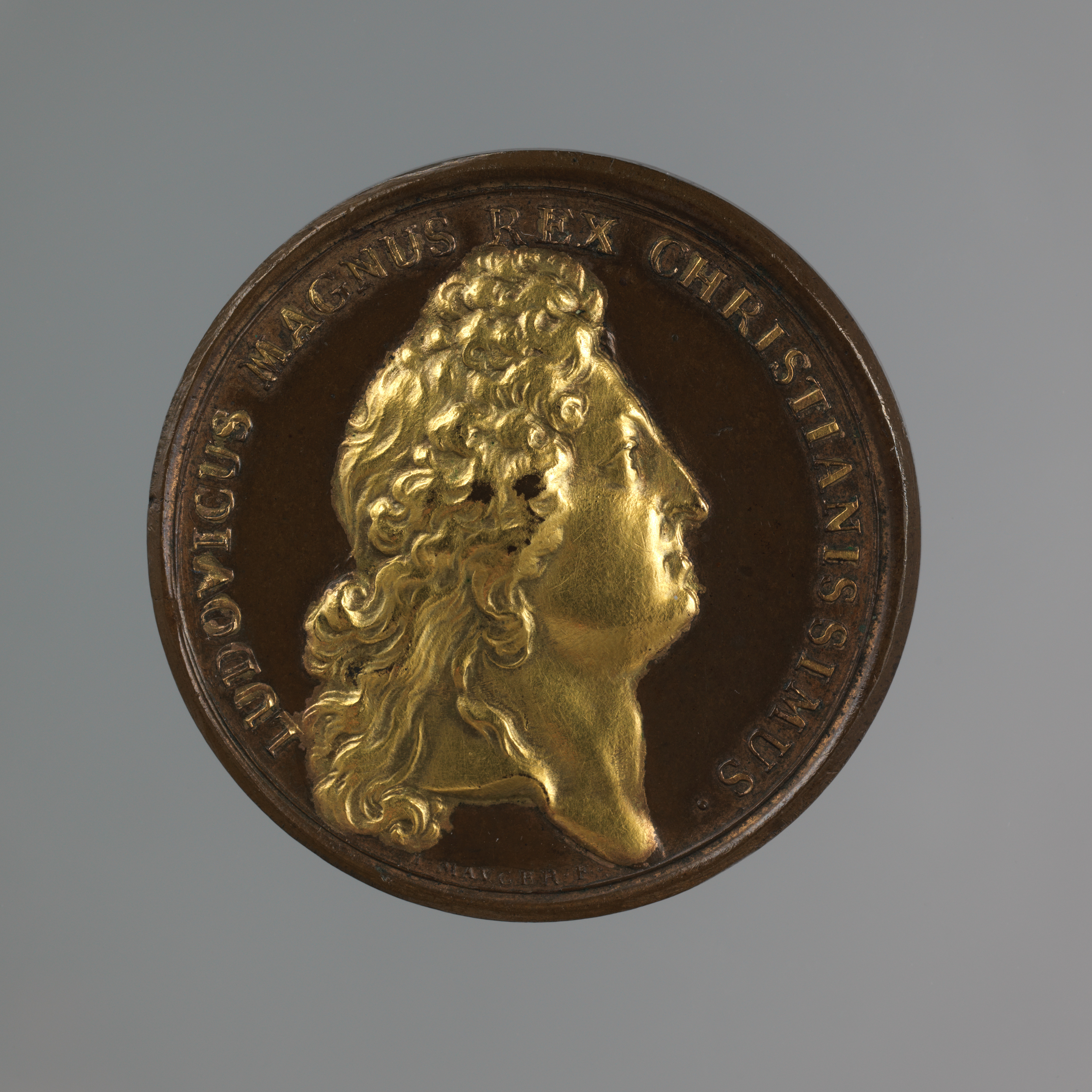
This analysis examines the 1686 bronze medallion commemorating the birth of the duc de Berry, third son of Louis XIV, as a strategic artifact for Katherine Fashion Lab’s 2026 luxury narrative. The object, rendered in bronze with partial gilding, functions not merely as a commemorative token but as a sophisticated instrument of dynastic messaging. For a heritage-led luxury house, this medallion offers a blueprint for translating monarchical authority into contemporary desirability—where material permanence, symbolic hierarchy, and spiritual resonance converge.
Symbolic Power: The Medallion as Dynastic Proclamation
The birth of Charles of France, duc de Berry, on 31 August 1686, was not a private event but a state occasion. The medallion struck for this purpose operates within a well-established French numismatic tradition, where metal and imagery were deployed to consolidate legitimacy. The bronze substrate—durable, weighty, and resistant to corrosion—mirrors the intended permanence of the Bourbon line. Partial gilding, applied selectively to the duc’s profile or the royal insignia, draws the eye to the locus of divine right. In strategic terms, this is early modern brand architecture: the monarch as the living logo, the heir as the future-proofed asset.
For Katherine Fashion Lab, the medallion’s symbolic grammar translates into a 2026 strategy of “materialized lineage.” Just as the medallion encodes succession through metal, a luxury collection can encode continuity through signature materials—bronze-toned hardware, gilded edges, and weighty closures that signal inheritance rather than fleeting trend. The partial gilding, notably, is not accidental. It directs focus to the emblematic core, a principle applicable to capsule collections where one statement piece—a gilded brooch, a bronze-buckled belt—carries the entire narrative weight.
Historical Adornment: From Courtly Token to Wearable Heritage
Seventeenth-century French court culture understood adornment as a language of proximity to power. Medallions of this type were not merely stored in cabinets; they were worn, displayed, and exchanged as diplomatic gifts. The duc de Berry’s birth medallion would have been presented to ambassadors, clergy, and nobility, functioning as a portable emblem of allegiance. The bronze’s heft and the gilding’s gleam were deliberate—touch and sight combined to reinforce the viewer’s place within the royal hierarchy.
This historical context offers Katherine Fashion Lab a nuanced positioning for 2026: “adornment as allegiance.” In an era of mass-produced luxury, the medallion’s artisanal specificity becomes a differentiator. A limited-edition pendant or cuff referencing this piece—cast in bronze, selectively gilded, and numbered—allows the modern client to participate in a similar act of belonging. The wearer is not simply accessorizing; they are aligning with a heritage of discernment and permanence. The strategic implication is to market not the object alone but the act of selection—the client’s choice to wear history as a form of identity investment.
Spiritual Meaning: The Sacred Mandate of the Third Son
Beneath the political surface lies a spiritual dimension often overlooked in modern analysis. The duc de Berry was born into a Catholic monarchy that viewed the king as God’s lieutenant on Earth. The birth of a third son carried theological resonance—echoing the Trinity and the idea of fecundity as divine blessing. The bronze and gilding, therefore, are not mere materials but carriers of sacred weight. Bronze, associated with endurance and bell-like clarity, suggests divine voice; gilding, with its solar association, evokes the light of God’s favor.
For Katherine Fashion Lab’s 2026 strategy, this spiritual layer enables a move beyond the secular into the “sacred craft” narrative. The brand can position its ateliers as modern monasteries—spaces where time, patience, and ritual transform raw materials into objects of near-devotional significance. The medallion’s religious undertone justifies a higher price architecture, as clients are not paying for metal but for a fragment of consecrated history. Marketing language should avoid overt religiosity but embrace the vocabulary of ritual, blessing, and legacy—terms that resonate with a luxury consumer seeking meaning beyond accumulation.
Strategic Translation for 2026: The “Berry Protocol” Collection
Translating this 1686 artifact into a 2026 high-end luxury strategy requires a multi-layered approach. First, product architecture: a unisex capsule of 31 pieces—referencing the birth date—each in bronze with selective gold plating. The number 31 becomes a covert code for connoisseurs, a nod to the artifact’s origin. Second, packaging and presentation: each piece should arrive in a bronze-tinted, weighty case, echoing the medallion’s cabinet of origin. The unboxing becomes a ceremonial act, mirroring the courtly presentation of such tokens.
Third, narrative distribution: rather than a conventional campaign, Katherine Fashion Lab should commission a short film and a limited-edition monograph tracing the medallion’s journey from the royal mint to the modern atelier. This content serves not as advertisement but as provenance proof—a critical factor for 2026 clients who demand verifiable heritage. Fourth, pricing strategy: the collection should be positioned at the brand’s highest tier, justified by the material’s intrinsic value, the artisanal labor (bronze casting and hand gilding), and the historical license. The medallion’s rarity—only a handful struck—legitimizes a scarcity model, with pieces individually numbered and accompanied by a certificate referencing the original artifact.
Conclusion: The Medallion as Strategic Archetype
The 1686 duc de Berry medallion is more than a historical curiosity; it is a masterclass in using material, symbol, and spirituality to assert power. For Katherine Fashion Lab, it offers a 2026 strategy grounded in permanence, exclusivity, and meaning. By adopting the medallion’s bronze-and-gilding language, the brand can differentiate itself from digital-era ephemerality, offering clients an object that—like the original—will outlast its moment. The strategic imperative is clear: do not imitate the medallion’s imagery, but internalize its logic. Let the collection be heavy, let it be gilded selectively, and let it speak of lineage. In doing so, Katherine Fashion Lab positions itself not as a purveyor of fashion, but as a curator of enduring symbols—a role that the Bourbon court would recognize and, perhaps, applaud.