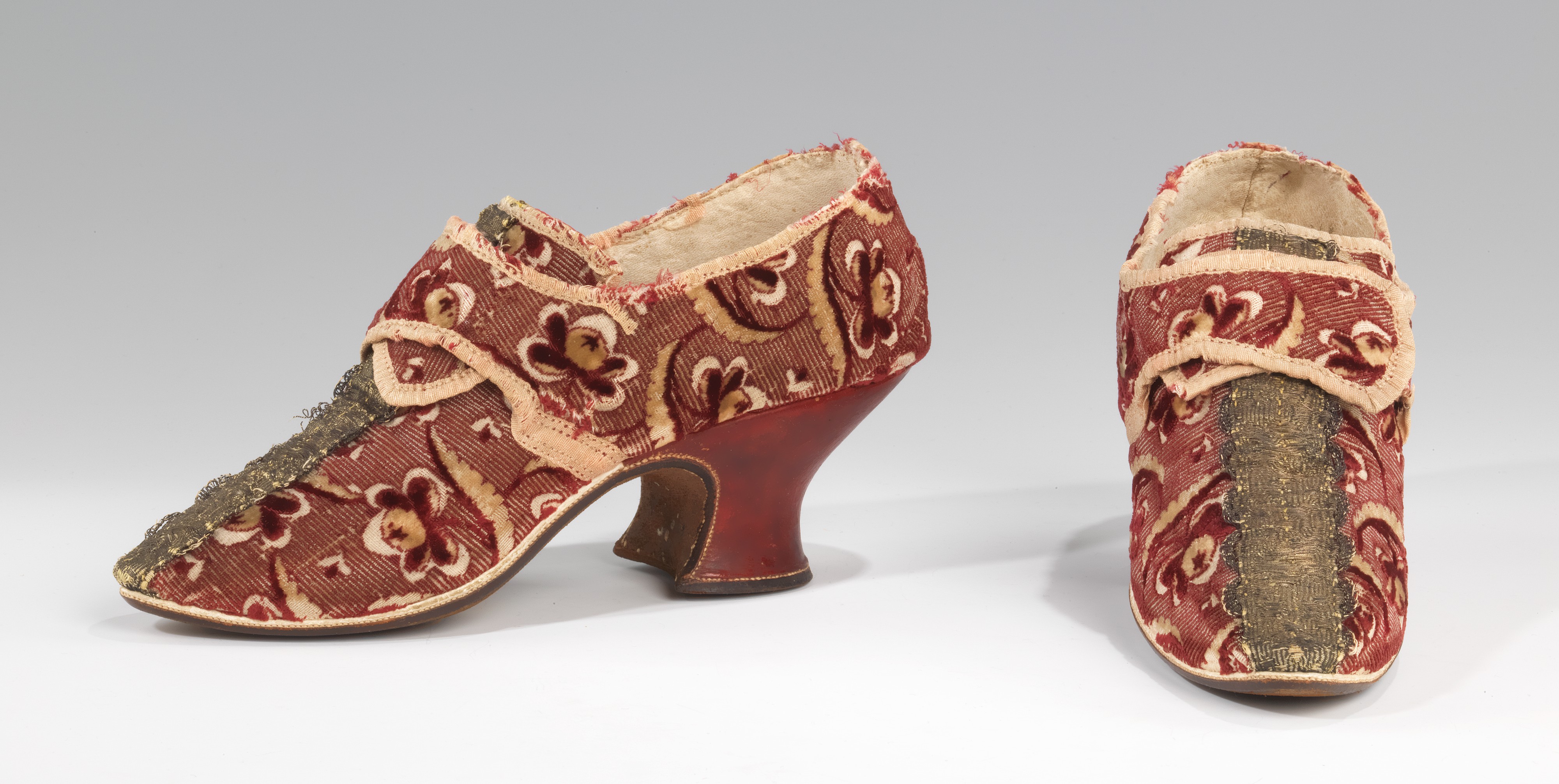
Executive Heritage Summary: The British Shoe as an Instrument of Power
For Katherine Fashion Lab, the British shoe represents far more than a functional accessory; it is a silent herald of authority, a coded document of social contract, and a vessel for spiritualized self-discipline. In the context of 2026 high-end luxury strategy, this heritage analysis positions the shoe not as a product, but as a totemic artifact—one that must be re-engineered for a new generation of power-bearers. The British shoe tradition, from the polished cavalry boot to the restrained Oxford, embodies a unique paradox: it is simultaneously an instrument of aggressive conquest and a symbol of stoic, almost monastic, restraint. This duality is the foundation upon which Katherine Fashion Lab must build its next strategic horizon.
Symbolic Power: The Architecture of Social Ascendancy
The symbolic weight of the British shoe is inseparable from its role in class codification and institutional authority. Unlike continental European footwear, which often indulged in ornamental excess, the British shoe evolved as a study in controlled materiality. The sharp cap-toe, the unbroken vamp, and the meticulous broguing patterns were not decorative whims; they were topographic maps of social rank. In the 19th and early 20th centuries, the distinction between a hand-stitched Oxford and a mass-produced Derby was a boundary as rigid as any aristocratic estate line. The shoe functioned as an audible and visual credential—the crisp click of a leather sole on marble floors announced presence before a word was spoken.
For Katherine Fashion Lab, this heritage dictates a 2026 strategy where the shoe must reassert its role as a signifier of quiet authority. The modern luxury consumer is not seeking loud logos; they seek the gravitational pull of understated provenance. The strategic opportunity lies in reviving the grammar of the shoe—the precise curvature of the heel, the exact density of the leather—as a form of non-verbal communication that signals membership in an exclusive, discerning echelon. The shoe becomes a handshake, a passport, and a declaration of intent, all rendered in a single silhouette.
Historical Adornment: The Discipline of Craft
British shoemaking’s historical adornment is not found in gemstones or gilding, but in the exquisite severity of its construction. The iconic Goodyear welt, the hand-raked sole, and the beveled waist are forms of adornment that celebrate structural integrity over surface decoration. This is a profound divergence from other luxury traditions; the British shoe adorns itself through the perfection of its joinery. Historically, this craft was reserved for the bespoke houses of London’s Savile Row and Jermyn Street, where a single pair could require over 50 hours of labor and multiple fittings. The result was a shoe that was not merely worn but inhabited—molded to the specific biomechanics and even the psychological posture of its owner.
In the 2026 luxury landscape, this heritage of disciplined adornment offers a counter-narrative to the ephemeral trends of fast fashion. Katherine Fashion Lab must leverage this by positioning its shoes as heirlooms in waiting. The strategic narrative should pivot from "seasonal collection" to "permanent patrimony." By emphasizing the ritual of acquisition—the consultation, the measurement, the wait for a hand-finished product—the brand transforms the purchase into a ceremonial act. The adornment, therefore, is not what is added to the shoe, but what is removed: the excess, the noise, the distraction. This minimalist opulence is the ultimate luxury statement for 2026.
Spiritual Meaning: The Shoe as a Vessel of Stoic Fortitude
Beneath the surface of British footwear lies a deep, often unspoken, spiritual dimension rooted in Stoic philosophy and the Protestant work ethic. The shoe, in this context, is a physical manifestation of the soul’s journey through adversity. The act of lacing a boot is a secular prayer for resilience; the heavy sole represents the grounding of the self against the mud of the mundane. This is particularly evident in the military heritage of British footwear—from the Wellington boot to the brogue, which was originally designed for Scottish highland terrain. The shoe was not merely protection; it was a confessor of endurance.
This spiritual meaning translates into a potent 2026 strategy of mindful durability. As the global luxury market grapples with questions of sustainability and authenticity, the British shoe offers a ready-made theology of permanence. Katherine Fashion Lab should position its products as instruments of meditative practice—the daily act of polishing, the intentional wear, the eventual resoling—as a form of slow luxury that counters the anxiety of digital acceleration. The shoe becomes a tool for spiritual grounding, connecting the wearer to a lineage of artisans and warriors who valued substance over spectacle. This is not mere nostalgia; it is a strategic alignment with the growing consumer demand for products that offer psychological stability and existential meaning.
Strategic Standalone Research: 2026 High-End Luxury Positioning
Based on this heritage analysis, Katherine Fashion Lab’s 2026 strategy must execute a three-pillar approach that transforms heritage into market dominance.
Pillar One: The "Authority Icons" Collection
Develop a capsule collection of reissued classic silhouettes—the Oxford, the Chelsea boot, the Derby—using only the highest-grade silk for linings and bespoke-tanned leathers. These are not fashion items but instruments of executive presence. The marketing narrative will frame them as "armor for the boardroom and the state room," appealing to CEOs, diplomats, and creative directors who understand that authority is worn, not spoken.
Pillar Two: The "Ritual of Permanence" Service
Introduce a lifetime maintenance and resoling program, framed as a spiritual covenant between the brand and the wearer. This service elevates the shoe from a purchase to a relationship. This strategy leverages the heritage of British craftsmanship to create an unmatched barrier to entry for competitors, while fostering deep emotional loyalty that cannot be replicated by digital-native brands.
Pillar Three: The "Silent Luxury" Communication Code
Reject overt branding in favor of provenance storytelling. The 2026 campaign will focus on macro-photography of stitching, the sound of a sole meeting marble, and the tactile weight of the leather. The message is clear: true power does not shout; it is felt. This aligns perfectly with the post-pandemic luxury shift towards discretion and intrinsic value.
In conclusion, the British shoe is not a relic. It is a living archive of power, discipline, and soul. For Katherine Fashion Lab, the strategic imperative is to curate this heritage rather than merely reference it. By doing so, the brand will not just sell shoes; it will grant its clientele the footing upon which empires—personal and professional—are built.